
The home backup power market has expanded significantly in recent years. While standby generators have been the traditional solution for power outages, battery backup systems like the Tesla Powerwall, Enphase IQ Battery, and Generac PWRcell have introduced a new option for homeowners. Understanding the strengths and limitations of each can help you make the right choice for your Pittsburgh home.
How Battery Backup Systems Work
A home battery backup system stores electricity in lithium-ion batteries, similar to the battery in your smartphone but much larger. The batteries are charged from the electrical grid during normal operation or from solar panels if you have them. When the power goes out, the system automatically switches to battery power and supplies electricity to your home. Most systems can power essential circuits for 8 to 12 hours, depending on your usage and the number of batteries installed.
How Generators Compare
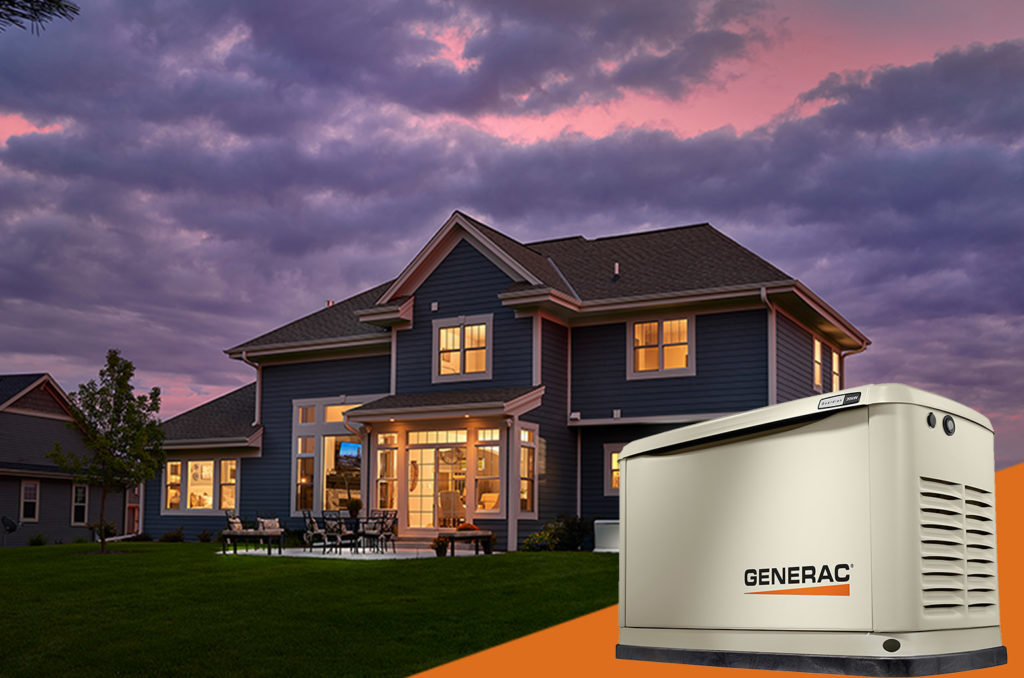
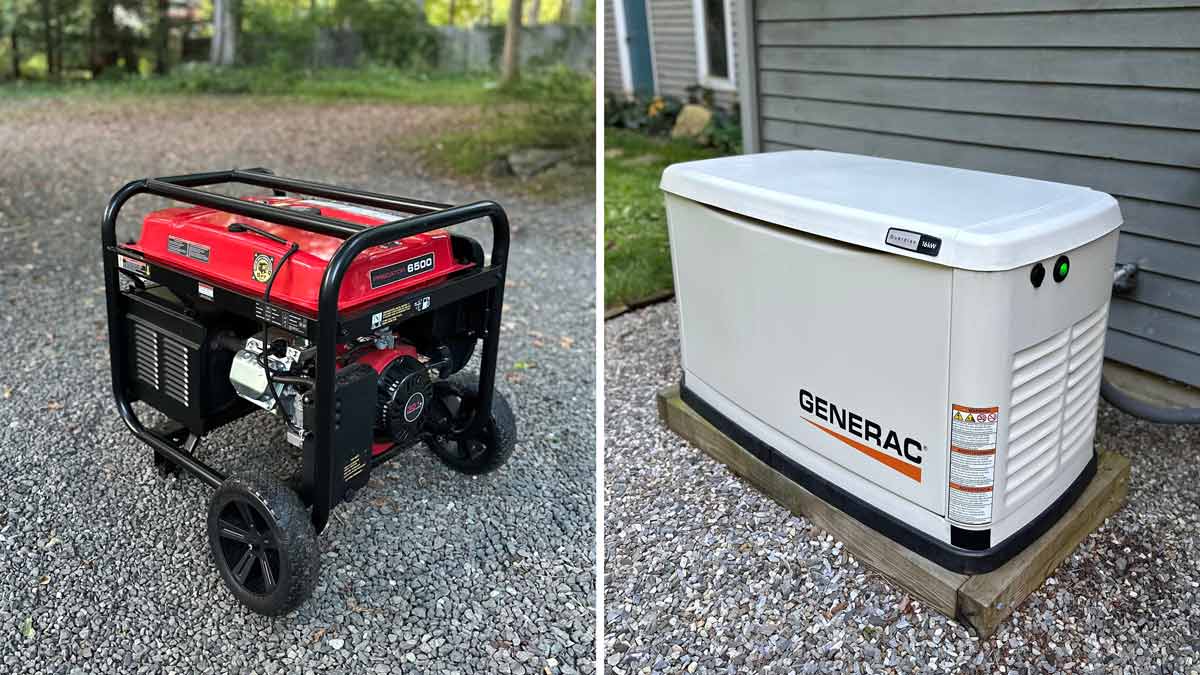
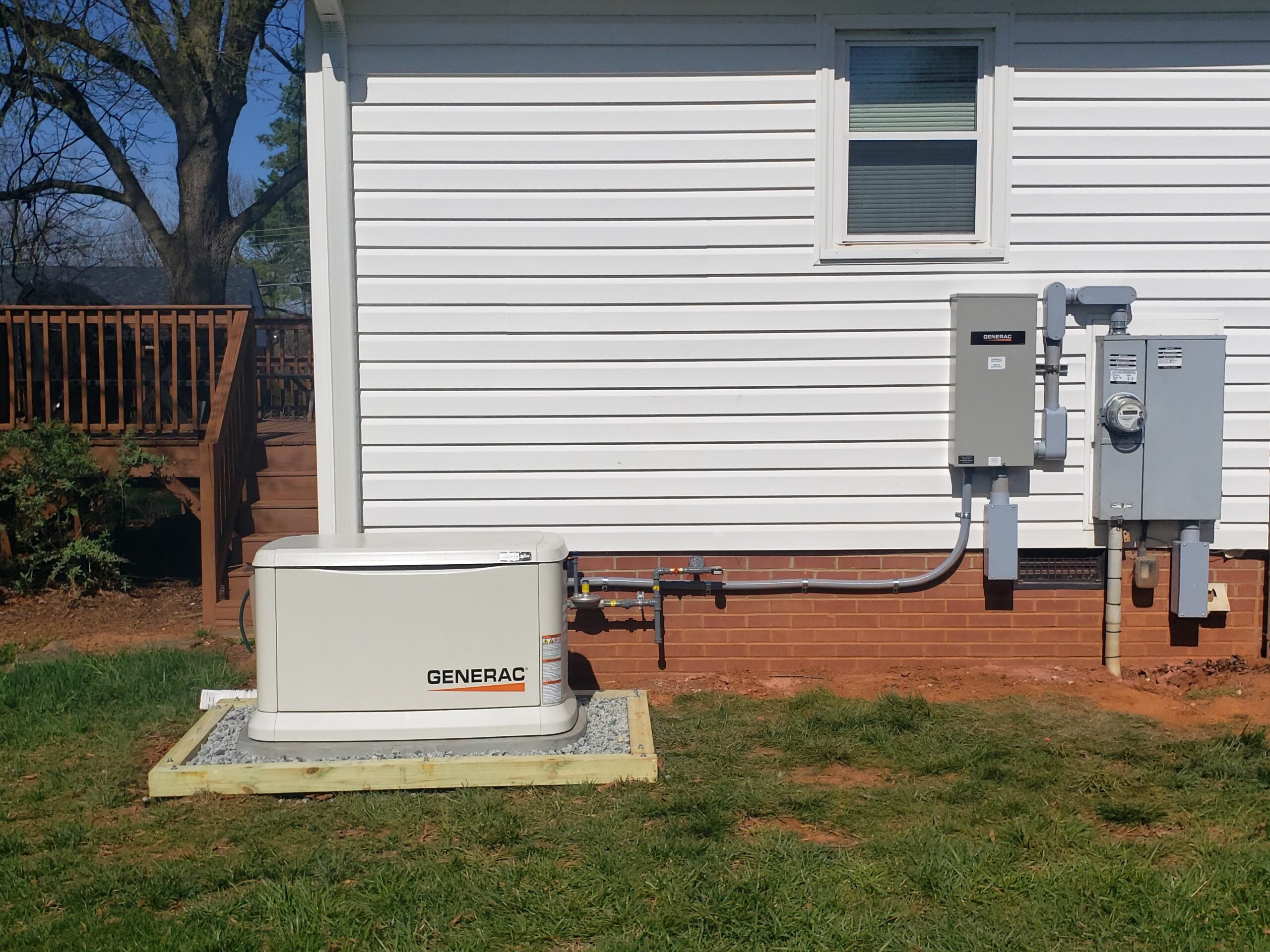
Standby generators produce electricity by burning natural gas or propane. Because they have a continuous fuel supply, they can run indefinitely during an outage — as long as the fuel supply lasts. This makes them better suited for extended outages that can last days, which is a real possibility during severe winter storms in the Pittsburgh area.
Key Considerationsons for Pittsburgh Homeowners
When choosing between battery backup and a generator, consider:
- Duration of outages: Batteries provide 8-12 hours; generators run indefinitely
- Noise: Batteries are silent; generators produce noise (60-70 decibels)
- Maintenance: Batteries require virtually no maintenance; generators need regular oil changes and testing
- Environmental impact: Batteries produce no emissions; generators burn fossil fuels
- Cost: Battery systems start around $10,000-$15,000; standby generators start around $5,000-$8,000 installed
- Solar integration: Batteries pair naturally with solar panels; generators do not
Some Pittsburgh homeowners are choosing to install both a battery backup system and a generator. The battery handles short outages and daily energy management, while the generator provides extended backup during major storms.
Need Professional Help?
Choosing the right backup power solution depends on your home's specific needs, your budget, and how long outages typically last in your area. A licensed electrician can help you evaluate both options and install the system that best protects your Pittsburgh home.