If you live in an older home in the Pittsburgh area, you may have wondered about your electrical panel. It’s the heart of your home’s electrical system, but it’s often out of sight and out of mind—until it starts causing problems. Upgrading your electrical panel is a significant home improvement project, but it’s also one of the most important for ensuring your family’s safety and meeting the demands of modern life. Understanding the timeline from start to finish can help you plan for this essential upgrade with confidence.
Why Upgrade Your Electrical Panel in the First Place?
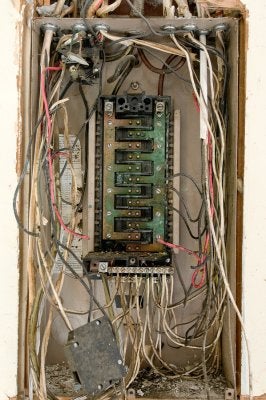
Many homes in Western Pennsylvania, from the historic streets of Shadyside to the growing suburbs of Murrysville, were built when household electrical needs were much simpler. Today, with high-draw appliances, home offices, and the growing popularity of electric vehicles, older panels often can’t keep up. Common signs that an upgrade is needed include frequently tripping breakers, flickering lights when an appliance like a microwave turns on, or an old-fashioned fuse box. A panel upgrade isn’t just about convenience; it’s a critical safety measure to prevent electrical overloads and fire hazards.
The Complete Electrical Panel Upgrade Timeline: A Step-by-Step Guide
- **Step 1: Initial Consultation and Assessment (1-2 Hours):** A licensed electrician will visit your home to inspect your current panel, discuss your present and future electrical needs (like a new EV charger or a kitchen remodel), and determine the right size for your new panel. They will provide a detailed, written estimate for the project.
- **Step 2: Permitting and Utility Coordination (1-3 Weeks):** This is often the longest part of the process. Your electrician will file for a permit with your local municipality, whether it’s Allegheny County or a borough like Lower Burrell. They will also coordinate with the utility company (like Duquesne Light or West Penn Power) to schedule the temporary disconnection of power on the day of the upgrade.
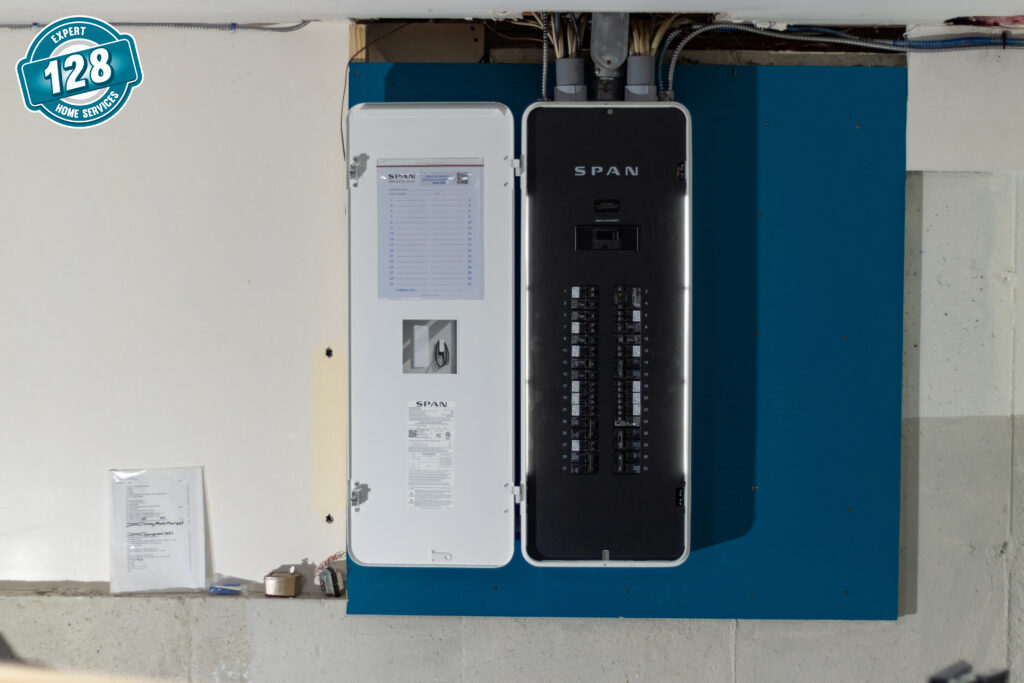
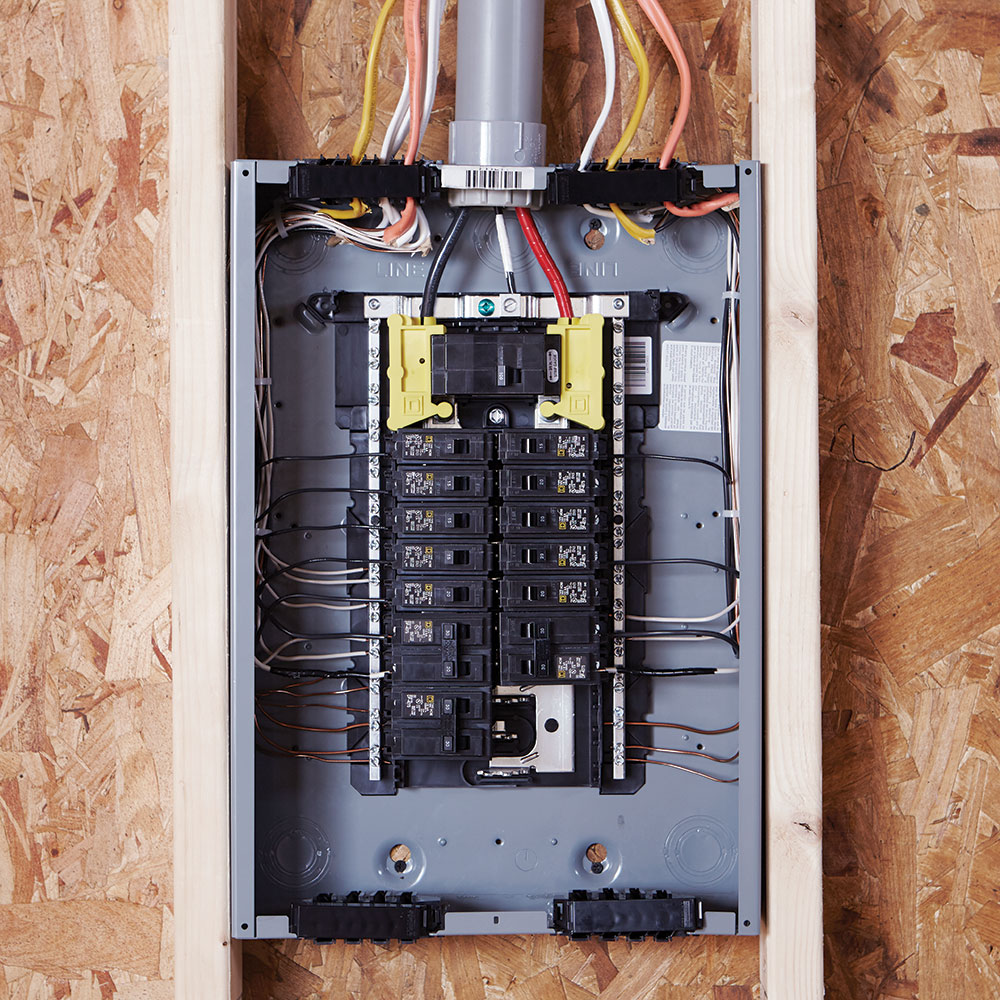
- **Step 3: The Day of the Upgrade (6-10 Hours):** This is when the main work happens. The power to your home will be shut off for most of the day. The electricians will carefully remove your old panel, install the new one, connect all the existing circuits to the new breakers, and create a clean, clear label directory for you.
- **Step 4: The Electrical Inspection (1-2 Hours):** After the installation is complete, a state or municipal electrical inspector must review the work to ensure it meets all current safety codes. This independent verification is crucial for your protection and is required to close out the permit.
- **Step 5: Final Power Restoration and System Check:** Once the inspection is passed, the utility company is cleared to restore full power to your home. Your electrician will then perform a final walkthrough, testing the system to ensure everything is working perfectly before considering the job complete.
Factors That Can Affect Your Upgrade Timeline
While the upgrade itself usually takes a single day, several factors can influence the overall project timeline from the day you sign the contract to the final handshake. The most significant variable is the permitting process, which can differ greatly between municipalities like Penn Hills and Greensburg. Additionally, the utility company’s schedule for the power disconnect and reconnect can add time. If the electrician discovers unforeseen issues, such as outdated knob-and-tube wiring that needs to be remediated for safety, this can also extend the scope and duration of the project.
**A Note on Safety:** An electrical panel upgrade is a complex and potentially dangerous job that should never be attempted as a DIY project. It involves working directly with high-voltage service lines from the utility. For the safety of your family and your home, always entrust this work to a qualified, licensed, and insured electrical contractor.
What to Expect on the Day of Your Panel Upgrade
The day of the upgrade requires a bit of planning. Since your power will be off for 6 to 10 hours, it’s a good idea to charge all your electronic devices, like phones and laptops, the night before. If you work from home, you may need to make alternative arrangements for the day. To keep your food safe, minimize opening the refrigerator and freezer doors while the power is out. Your electrical team will keep you informed of their progress and will work diligently to restore your power as quickly and safely as possible.
Need Professional Help?
Understanding the process and timeline for an electrical panel upgrade can make the experience smooth and stress-free. If you’re seeing signs that your home in the greater Pittsburgh area is due for an upgrade, or if you’re planning for future electrical needs, it’s time to consult a professional. Licensed electricians specialize in helping homeowners navigate this process with clarity and confidence. Contact a licensed electrician today for a comprehensive assessment and a clear, detailed plan for your electrical panel upgrade.