As electric vehicles (EVs) become a more common sight on the roads of Pittsburgh and throughout Allegheny County, one of the biggest questions homeowners have is about the cost. Is it really cheaper to charge an EV than to fill up a traditional car with gasoline? The shift from the gas pump to the home charging station is a significant change, and understanding the real-world costs is key to making an informed decision. For many Western Pennsylvania residents, the potential for long-term savings is a major motivator, but the details can feel complex. This guide breaks down the costs of both, so you can see how the numbers stack up for your own driving habits and budget.
Understanding Gasoline Costs in Western Pennsylvania
Every driver in the Pittsburgh area knows that gasoline prices can feel like a rollercoaster, changing from one week to the next. As of early 2026, prices in our region have been hovering around $3.75 per gallon for regular unleaded fuel. This price is a composite of several factors, including the global price of crude oil, state and federal taxes, refining costs, and distribution expenses. A daily commute from a suburb like Lower Burrell or Greensburg into the city can add up quickly when you're paying these prices at the pump, making fuel one of the largest expenses for vehicle ownership.
- Crude Oil Prices: This is the largest factor, influenced by global supply and demand.
- Taxes: Pennsylvania has one of the highest state gas taxes in the country, which significantly adds to the cost.
- Refining Costs: The process of turning crude oil into gasoline contributes to the final price.
- Distribution and Marketing: The expense of getting the fuel from the refinery to your local gas station in Monroeville or Penn Hills is also factored in.
How to Calculate Your EV Charging Costs
Calculating the cost to charge an EV is a different process, but it's actually more stable and predictable than tracking gas prices. The cost is determined by two main things: the size of your vehicle's battery (measured in kilowatt-hours, or kWh) and your local electricity rate. In the Pittsburgh area, residential electricity rates can vary, but a typical rate from Duquesne Light or West Penn Power is around 14 to 18 cents per kWh. To figure out the cost of a full "tank," you simply multiply your battery's size by your electricity rate.
- Full Charge Cost: 65 kWh x $0.16/kWh = $10.40
- Range: If the car gets about 250 miles on a full charge, you're paying just over 4 cents per mile.
- Compared to Gas: A gas car that gets 25 miles per gallon would need 10 gallons to go 250 miles. At $3.75/gallon, that would cost $37.50.
Where You Charge Matters: Home vs. Public Charging
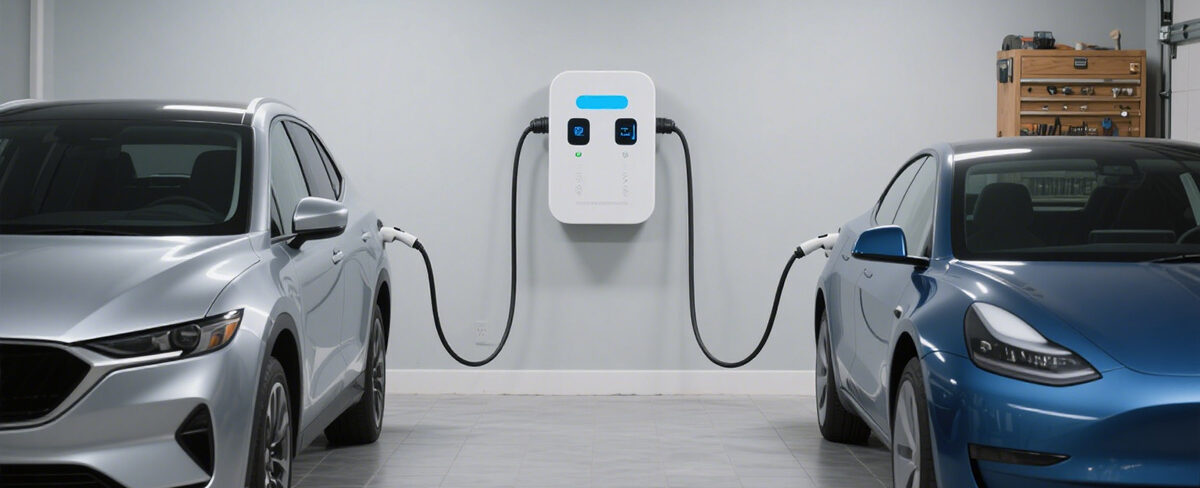
The most significant savings come from charging your EV at home. Using a Level 1 (standard 120V outlet) or Level 2 (240V outlet, similar to an electric dryer) charger is far and away the most affordable method. Public DC fast-charging stations, like those you might find at a service plaza on the turnpike, are much more expensive because they offer rapid charging speeds. They are great for road trips, but for daily driving, charging overnight in your garage in a community like Murrysville or Plum is the most convenient and cost-effective strategy.
Safety First: A professional installation of a Level 2 charger is highly recommended. An experienced electrician will ensure the new 240V circuit is installed safely and up to code, preventing overloads on your home's electrical system. This is especially important in the many beautiful, older homes we have in neighborhoods like Squirrel Hill and Shadyside, which may have outdated wiring.
The "Fuel" Cost: A Real-World Pittsburgh Comparison
Let's put it all together in a direct comparison for a typical Pittsburgh driver who travels about 1,000 miles per month. We'll compare a gas car that averages 25 miles per gallon (MPG) with an EV that gets 3.5 miles per kWh, a common efficiency rating. This scenario highlights the dramatic difference in monthly fueling expenses.
- Gas Car: 1,000 miles / 25 MPG = 40 gallons. At $3.75/gallon, the total monthly cost is $150.
- Electric Vehicle: 1,000 miles / 3.5 miles/kWh = ~286 kWh. At $0.16/kWh, the total monthly cost is $45.76.
- The Savings: In this typical scenario, the EV owner saves over $100 every month, or more than $1,200 per year, just on fuel.
Don't Forget Maintenance and Other Savings
The savings don't stop at the pump. Electric vehicles have far fewer moving parts than internal combustion engines. This means you can say goodbye to oil changes, spark plug replacements, and exhaust system repairs. While EVs still require maintenance for things like tires, brakes, and suspension, the overall reduction in service needs adds another layer of financial benefit over the life of the vehicle, further widening the cost gap between owning an EV and a gasoline-powered car.
Is Your Home's Electrical System Ready for an EV?
To get the most out of home charging, a Level 2 charger is the best solution. It provides faster charging speeds and is more efficient than a standard wall outlet. However, it requires a dedicated 240V circuit, similar to what an electric stove or dryer uses. In many older Pittsburgh homes, the existing electrical panel may not have enough capacity to handle this additional load. A panel upgrade might be necessary to safely support an EV charger and meet the power demands of a modern household. An assessment from a qualified electrician can determine if your current system is sufficient or if an upgrade is needed.
Need Professional Help?
Ready to make the switch and start saving with an electric vehicle? The first step is ensuring your home is prepared for safe and efficient charging. If you're considering an EV charger installation in the Pittsburgh area, contact a licensed electrician for a professional consultation. We can assess your electrical panel, explain your options, and provide a safe, reliable installation so you can enjoy the full benefits of driving electric.