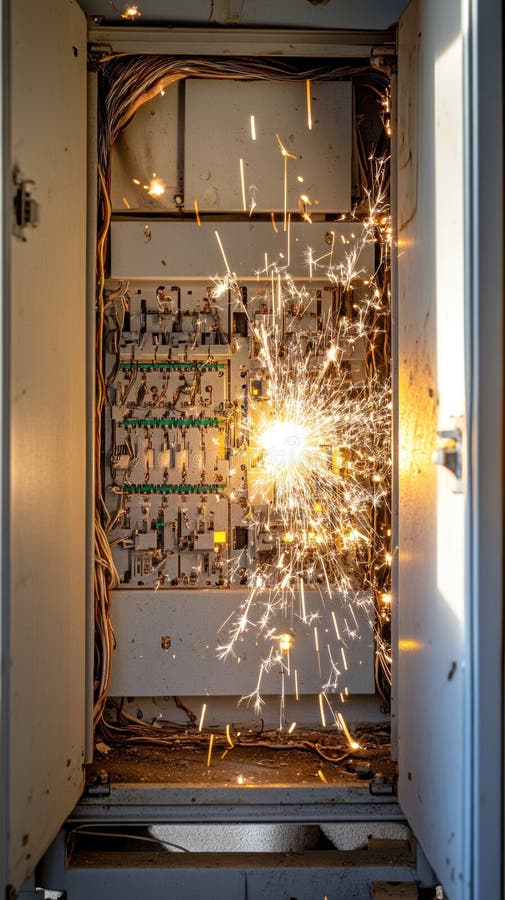

It’s a common experience for homeowners across Allegheny and Westmoreland counties. You’re relaxing in your living room, and suddenly the lights flicker for a moment. Or maybe you notice your microwave clock resetting itself occasionally. These are signs of power fluctuations, brief variations in the steady flow of electricity to your home. While occasional flickers can be normal, frequent or dramatic fluctuations can indicate underlying issues that range from minor annoyances to serious electrical hazards.
Understanding the difference between a harmless flicker and a warning sign is key to keeping your home and family safe. This guide will walk you through the common causes of power fluctuations, both from the utility grid and within your own walls, with a special focus on what homeowners in communities like Murrysville, Plum, and Squirrel Hill should know about their electrical systems.
What Exactly Are Power Fluctuations?
Power fluctuations occur when the voltage of the electricity flowing to your appliances and lighting deviates from the standard level. In the U.S., your home is supplied with electricity at approximately 120 volts. When this level changes, even for a fraction of a second, it can cause noticeable effects. These events are generally categorized into a few types:
- **Power Surge:** A brief, sudden increase in voltage. Surges can be caused by lightning strikes, grid switching, or high-power devices cycling on and off. They are particularly damaging to sensitive electronics.
- **Power Sag or Dip:** A short-term drop in voltage. This is often what causes your lights to dim when a large appliance like an air conditioner or a refrigerator compressor kicks on.
- **Brownout:** A sustained drop in voltage that is not a complete outage. During periods of high demand, utility companies may intentionally cause brownouts to conserve energy across the grid.
- **Flicker:** A very brief, rapid change in voltage that causes lights to visibly flutter.
Causes Originating from the Electrical Grid
Sometimes, the source of power fluctuations is external to your home. The vast and complex electrical grid that serves Western Pennsylvania is susceptible to a variety of disruptions. Severe weather, from summer thunderstorms rolling through Greensburg to heavy snow in the winter, can cause tree limbs to fall on power lines, leading to temporary shorts and voltage changes. Utility companies also perform routine maintenance and grid switching, which can cause brief flickers as they reroute power.
Causes Hiding Inside Your Home's Walls
More often than not, persistent power fluctuations are a sign of a problem within your home’s electrical system. This is particularly true for the many charming but older homes in neighborhoods like Shadyside and the South Side, which may have wiring that wasn’t designed for modern electrical demands.
- **Overloaded Circuits:** Plugging too many high-draw devices into a single circuit is a primary cause of voltage drops. If your lights dim every time you use a hairdryer or microwave, you are likely overloading that circuit.
- **Large Appliance Demands:** Appliances with powerful motors, such as HVAC systems, refrigerators, and well pumps, require a large amount of current to start up. This initial draw can cause a temporary voltage sag across the rest of the house.
- **Outdated or Faulty Wiring:** Older wiring systems, like the knob-and-tube wiring found in some historic Pittsburgh homes, can become unreliable and unsafe over time. Deteriorated insulation, loose connections, and improper modifications are significant fire hazards and common sources of fluctuations.
- **Loose Connections:** Connections can become loose over time in your electrical panel, outlets, or light switches. A loose neutral wire is a particularly common and dangerous cause of flickering lights and other electrical issues.
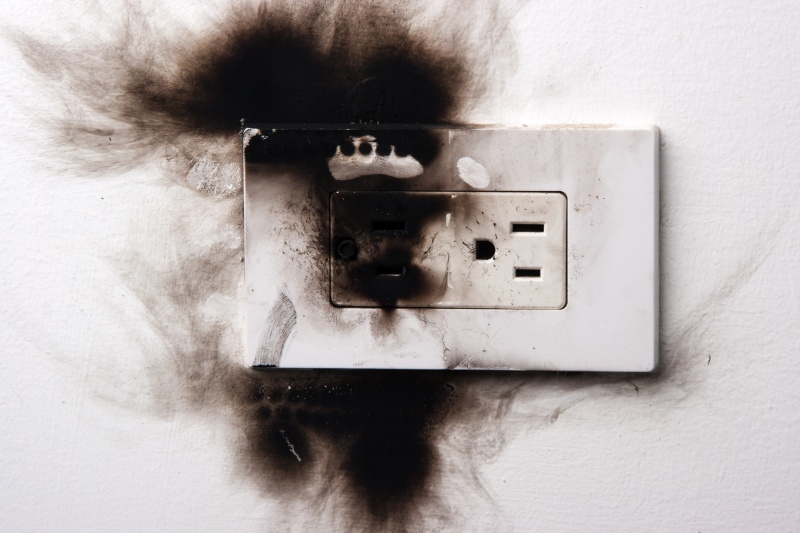
A critical safety note: If you notice a burning smell, buzzing sounds from your electrical panel or outlets, or scorch marks around switches, these are urgent warning signs. You should immediately contact a qualified electrician to investigate the issue. These symptoms can indicate an imminent risk of an electrical fire.
What You Can Do About Power Fluctuations
If the fluctuations are minor and infrequent, they may not be a cause for immediate alarm. However, if they are becoming a regular occurrence, it’s time to take action. Start by observing when the fluctuations happen. Does it coincide with a specific appliance turning on? Does it happen during storms? This information can help diagnose the root cause.
For issues related to appliance startups, a licensed electrician can install dedicated circuits for your heavy-duty devices, ensuring they have the power they need without affecting the rest of your home. If you suspect outdated or faulty wiring, a comprehensive electrical inspection is the best course of action. An electrician can assess the condition of your system and recommend necessary upgrades, such as replacing an old fuse box with a modern circuit breaker panel that can handle today’s electrical loads safely.
Need Professional Help?
Don’t let persistent power fluctuations compromise your home’s safety and your peace of mind. If you’re concerned about flickering lights or other electrical issues in your Pittsburgh-area home, the experienced team at a licensed electrician is here to help. Licensed electricians specialize in diagnosing and resolving complex electrical problems, from simple repairs to complete panel upgrades and wiring replacements. Contact a licensed electrician today for a thorough safety inspection and a clear, honest assessment of your electrical system.