A circuit breaker that keeps tripping is a nuisance, but it's also a critical safety feature of your home's electrical system doing its job. When a breaker trips, it's cutting off the flow of electricity to a circuit to prevent overheating and a potential fire. For homeowners in Pittsburgh, from the historic homes in Squirrel Hill to the newer constructions, understanding why your breaker is tripping is the first step toward a safe and effective solution.
The Big Three: Why Your Breaker is Tripping
There are three primary culprits behind a frequently tripping breaker. Identifying which one you're dealing with is key to resolving the issue.
Here are the most common causes:
- **Overloaded Circuit:** This is the most common reason. It happens when you try to draw more electricity than a circuit can safely handle. For example, running a microwave, a toaster oven, and a coffee maker all on the same kitchen circuit.
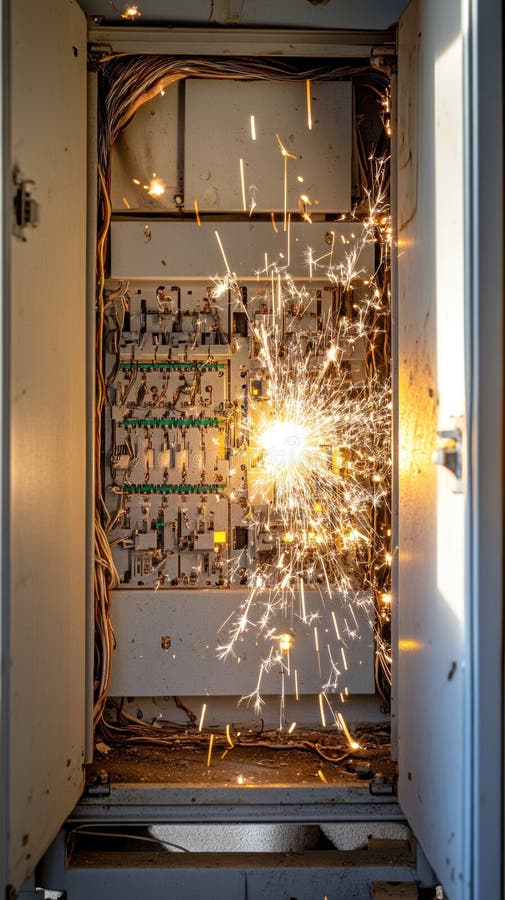
- **Short Circuit:** A more serious issue, a short circuit occurs when a hot wire touches a neutral wire. This creates a low-resistance path for the electricity, causing a surge of current that trips the breaker instantly.
- **Ground Fault:** Similar to a short circuit, a ground fault happens when a hot wire touches a grounded part of an appliance or a grounded metal outlet box. This can be especially dangerous in areas with moisture, like kitchens and bathrooms.
Troubleshooting a Tripped Breaker
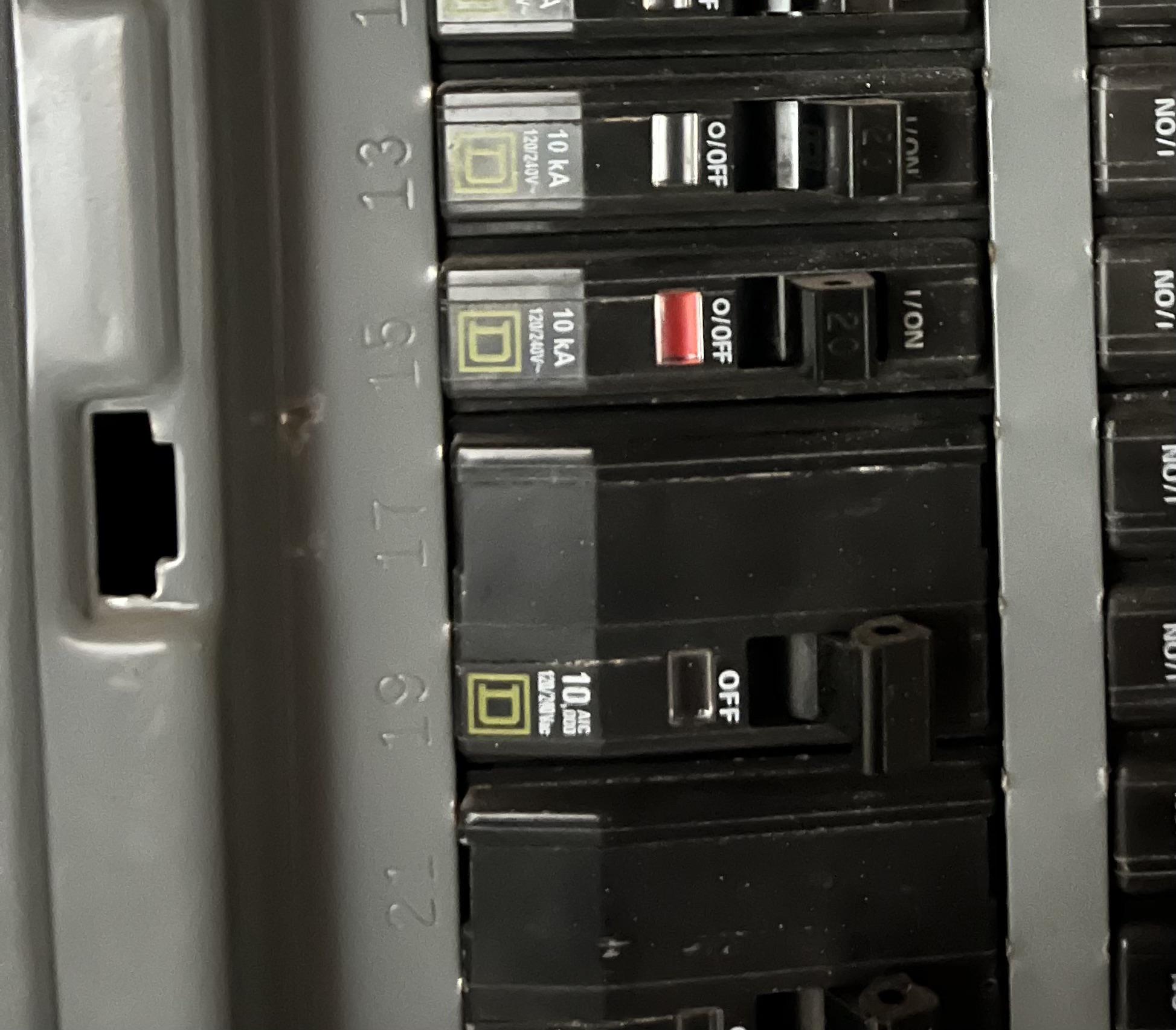
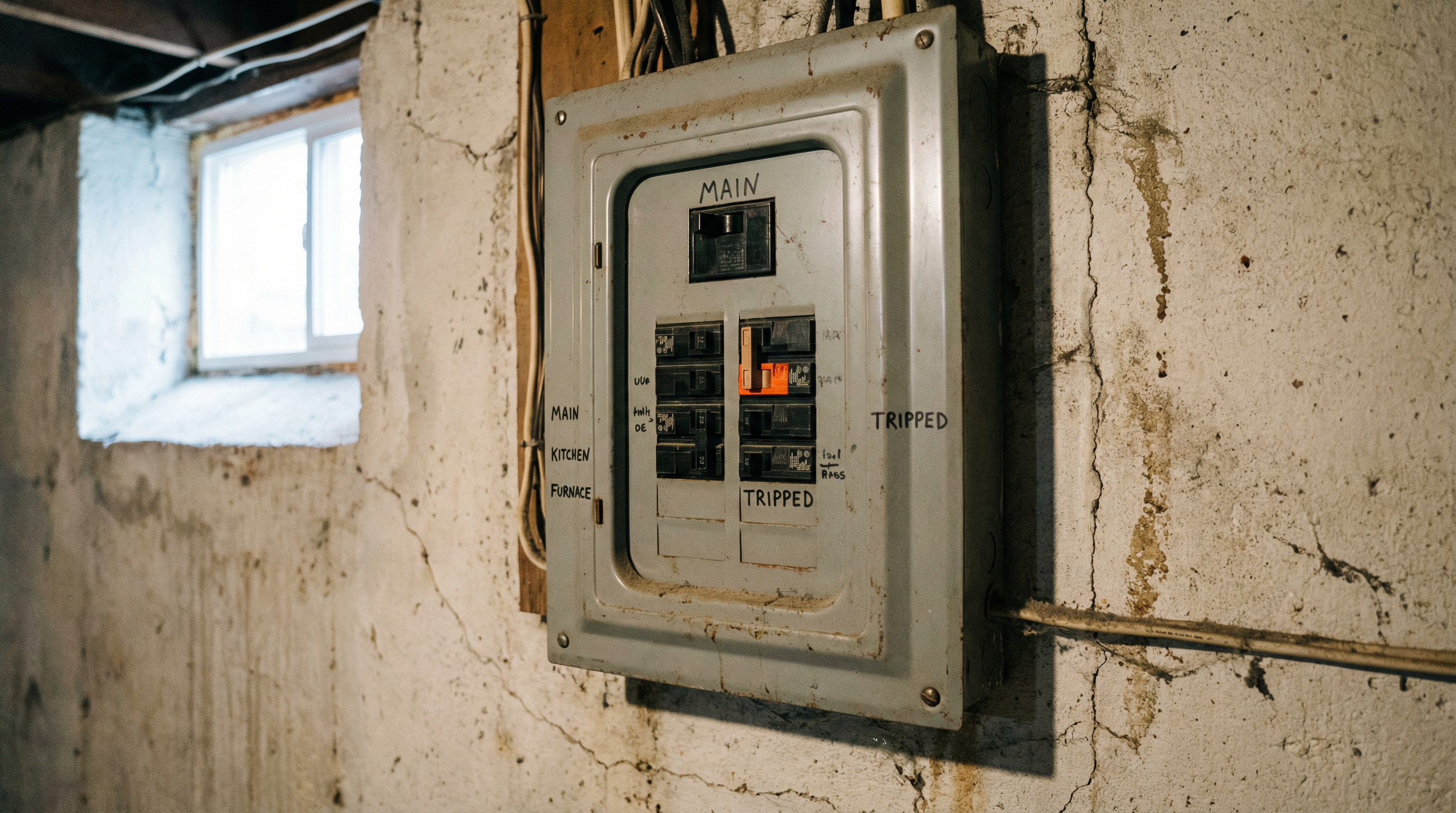
Before you call an electrician, there are a few steps you can take to diagnose the problem. First, head to your electrical panel. It's often located in the basement, a utility closet, or the garage. You're looking for a breaker that's in the 'off' position or in the middle. To reset it, push it firmly to the 'off' position and then back to 'on'.
If the breaker trips again immediately, you likely have a short circuit or ground fault. If it stays on for a while and then trips, you probably have an overloaded circuit. Here's what to do for an overloaded circuit:
- Unplug all the devices on the affected circuit.
- Reset the breaker.
- Plug in devices one by one until the breaker trips again. The last device you plugged in is likely the problem.
- Try to distribute your high-power appliances across different circuits.
If you suspect a short circuit or ground fault, or if your breaker trips frequently, it's time to call a qualified electrician. These issues can be serious fire hazards and are not a DIY project.
When to Call a Professional Electrician in Western Pennsylvania
While a simple overloaded circuit can often be resolved by the homeowner, other situations require professional expertise. If you live in an older home in areas like Shadyside or the South Side, your wiring may not be up to the demands of modern appliances. A licensed electrician can assess your system and recommend upgrades, such as a new electrical panel or dedicated circuits for heavy-duty appliances. All electrical work in Allegheny County requires a permit, and a professional will ensure everything is up to Pennsylvania's electrical code and passes inspection.