You’ve likely seen it happen countless times. You’re relaxing in your living room, and just as the air conditioner kicks on, the lights momentarily dim. Or perhaps you’re in the kitchen, and starting the microwave causes a brief flicker. This common occurrence is something many homeowners in the Pittsburgh area notice, especially in some of the charming older houses found in neighborhoods like Squirrel Hill or Murrysville. While it’s often a harmless quirk of your home’s electrical system, it can sometimes be a symptom of a more significant underlying issue. Understanding why it happens is the first step toward ensuring your home's electrical system is both safe and reliable.
The Science Behind the Dimming: Voltage Drop Explained
At its core, the phenomenon of dimming lights is caused by something called a voltage drop. Think of your home's electrical system like the plumbing in your house. Voltage is similar to water pressure, and the electrical current is like the flow of water. When a large appliance with a motor starts up—such as a refrigerator, air conditioner, or even a vacuum cleaner—it demands a sudden, large surge of current. This initial power draw is significantly higher than what the appliance needs to run continuously. This sudden demand for current can cause a temporary drop in the overall voltage available to the rest of the circuit, much like how turning on a shower can sometimes reduce the water pressure in a nearby sink. This brief dip in 'electrical pressure' is what causes your lights to dim for a moment before returning to their normal brightness.
Is It Normal for Lights to Dim?
- The dimming is very brief, lasting only a second or two.
- It only happens when a specific, high-powered appliance starts up.
- The lights return to their full brightness immediately afterward.
- It affects lights on the same circuit as the appliance.
When Should I Be Concerned About Dimming Lights?
- The lights dim significantly or for an extended period.
- The lights flicker, buzz, or behave erratically.
- The dimming occurs randomly, not just when a large appliance starts.
- You frequently have to reset circuit breakers.
- You notice a burning smell or see scorch marks around outlets or switches.
Common Electrical Issues in Older Pittsburgh Homes
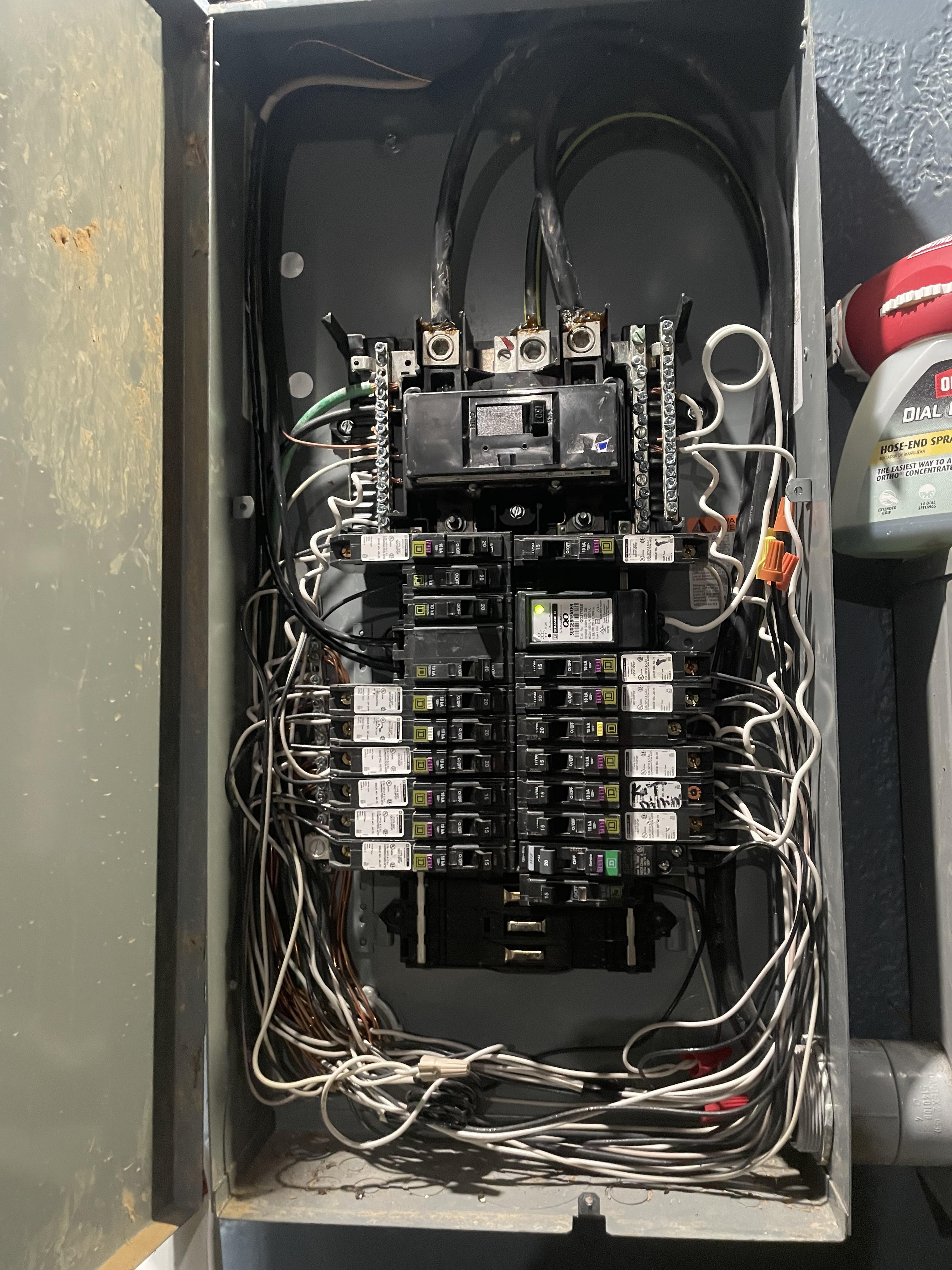
Many homes in communities like Lower Burrell, New Kensington, and Penn Hills were built decades ago, and their electrical systems often struggle to keep up with today’s demands. Some common issues we see in older Pittsburgh-area homes include undersized electrical panels, often only 60 or 100 amps, which are insufficient for modern households. Outdated wiring, such as knob-and-tube or early aluminum wiring, can also contribute to voltage drops and pose a fire hazard. These older systems were simply not designed to power multiple large appliances, computers, and entertainment systems simultaneously, leading to overloaded circuits and more noticeable dimming.
For your safety, never attempt to diagnose or repair complex electrical issues yourself. Working with electricity can be extremely dangerous and should only be handled by a qualified, licensed electrician. If you suspect a problem, it’s always best to call a professional.
Solutions for Dimming Lights and Overloaded Circuits
- **Dedicated Circuits:** Installing a dedicated circuit for a large appliance ensures it has all the power it needs without affecting the rest of your home. This is a common solution for new refrigerators, freezers, or HVAC systems.
- **Electrical Panel Upgrade:** Upgrading your electrical panel to 150 or 200 amps provides the capacity needed for a modern home, reducing voltage drops and preventing breaker trips. This is a crucial upgrade for homeowners in Greensburg and Monroeville who are adding new appliances or an EV charger.
- **Wiring Upgrades:** In some cases, replacing old, undersized, or deteriorating wiring is necessary to ensure a safe and stable flow of electricity throughout your home.
Need Professional Help?
Understanding your home's electrical system is key to maintaining a safe and comfortable living environment. While a little dimming is often just a sign of your appliances at work, it’s important to recognize when it might be pointing to a larger issue. If you’re experiencing persistent dimming, flickering lights, or other electrical concerns in your Pittsburgh-area home, the team at a licensed electrician is here to help. Licensed electricians specialize in providing clear explanations and long-term solutions, from panel upgrades to dedicated circuits, ensuring your home’s electrical system is safe, reliable, and ready for the future. Contact a licensed electrician today for a comprehensive electrical safety inspection.