As a homeowner, understanding your electrical system is crucial for safety and efficiency. One of the most fundamental components is your main electrical service, which is measured in amperes (amps). For decades, a 100-amp service was the standard for most homes. However, as our reliance on electricity grows, the 200-amp service has become the new benchmark for modern households, especially in areas of Western Pennsylvania with a mix of older and newer homes.
What is an Electrical Service and Why Does Amperage Matter?
Your home's electrical service is the total amount of power available from the utility company, like Duquesne Light, to your electrical panel. Think of it as the main pipe that brings water into your house. The amperage rating determines how much electricity you can use at once. A higher amperage means you can run more appliances and devices simultaneously without overloading your system, which can cause breakers to trip or, in worse cases, create a fire hazard.
The 100-Amp Service: A Look at the Old Standard
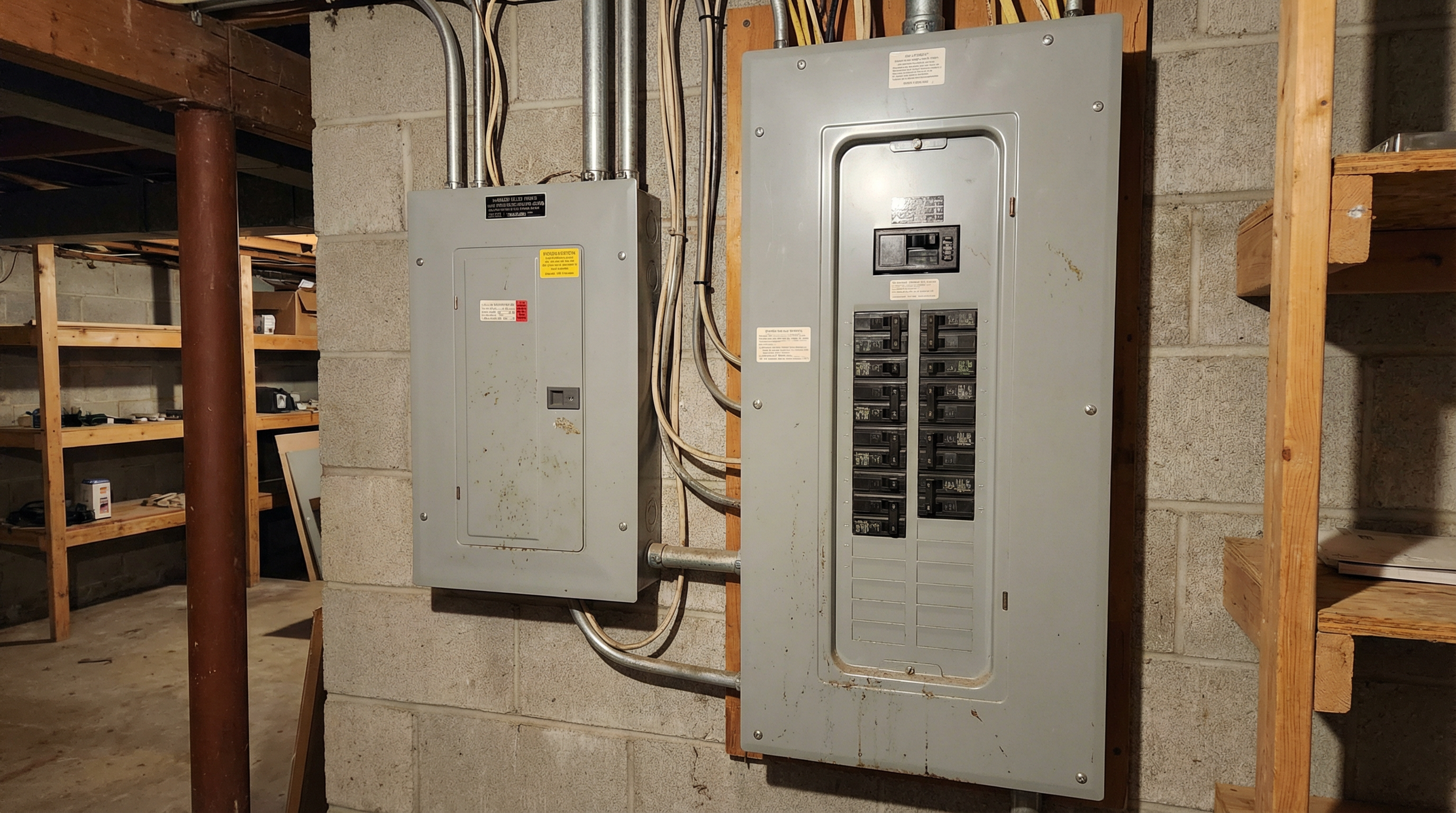
A 100-amp service provides approximately 24,000 watts of power (100 amps x 240 volts). This was once sufficient for the average home, and many older homes in Pittsburgh neighborhoods like Shadyside or the South Side still have this service size. It can typically handle basic electrical needs, but it struggles with the demands of modern living.
A 100-amp service is generally adequate for:
- Smaller homes (under 1,500 sq. ft.) with natural gas heating and appliances.
- Households with a limited number of major electrical appliances.
- Homes without central air conditioning or an electric vehicle (EV) charger.
The 200-Amp Service: The New Standard for Modern Homes
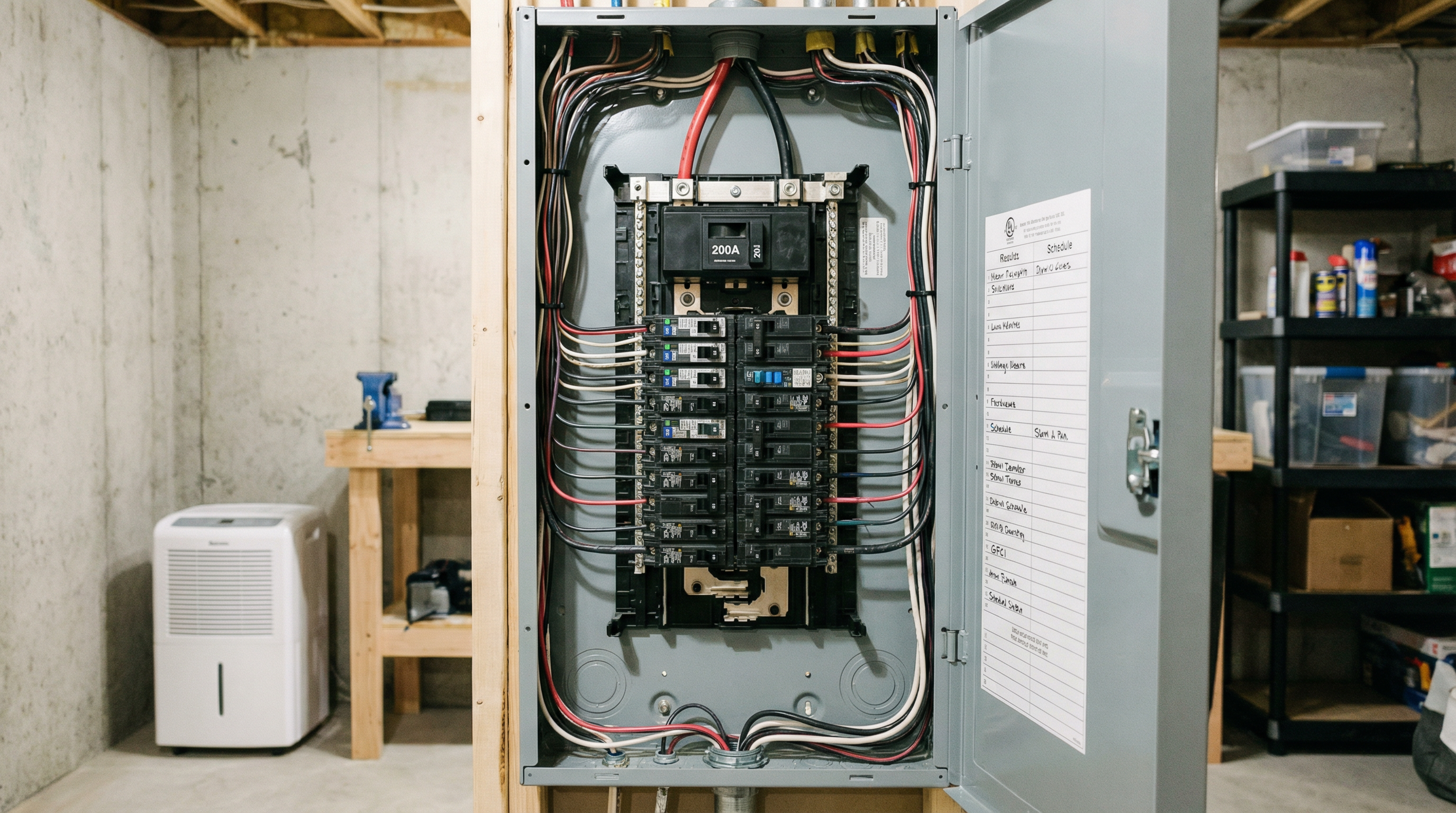
A 200-amp service doubles the available power to 48,000 watts. This increased capacity is essential for most new homes and is a common upgrade for older ones. It provides the flexibility and power needed for today's electrically demanding lifestyles, from home offices to electric vehicles. Homes in developing suburbs or renovated properties in Lawrenceville are often built or upgraded to this standard.
A 200-amp service is recommended or necessary if you have:
- A larger home (over 2,000 sq. ft.).
- Electric heating, a hot tub, or a tankless electric water heater.
- Plans to install an EV charger.
- A home workshop with power tools.
- Multiple major appliances that may run simultaneously.
- A desire to future-proof your home for new technologies.
Signs You Need to Upgrade Your Service
How do you know if your 100-amp service is no longer cutting it? There are several tell-tale signs that your home is starved for power.
Consider an upgrade if you experience any of the following:
- Circuit breakers that trip frequently.
- Lights that flicker or dim when a large appliance like a microwave or AC unit turns on.
- You need to use extension cords or power strips excessively.
- You are planning a major home renovation or adding a large electrical appliance.
- Your current panel is a brand known for defects or is over 25 years old.
Safety Warning: Consistently tripping breakers or flickering lights are not just an inconvenience; they are signs of an overloaded electrical system, which is a significant fire risk. Do not ignore these warnings.
The Upgrade Process in Allegheny County
Upgrading your electrical service is a major job that must be performed by a qualified, licensed electrician. The process involves replacing the main service drop (the wires from the utility pole), the meter base, the weather head, the main electrical panel, and the grounding system. A permit is required from Allegheny County or your local municipality, and the work must be inspected to ensure it complies with the National Electrical Code (NEC) and local Pennsylvania regulations. The cost for a full upgrade in the Pittsburgh area can range from $2,500 to $5,000, depending on the complexity of the job.