It’s a quiet evening in your Pittsburgh home. You’re relaxing after a long day when you notice a faint, persistent sound—a humming or buzzing noise coming from within a wall. Your first instinct might be to ignore it, but that unsettling sound could be your home’s electrical system trying to tell you something important. While not every hum is a sign of impending doom, some electrical noises are warnings of serious hazards, including the risk of a fire. For homeowners in Western Pennsylvania, understanding the difference between a harmless annoyance and a genuine danger is a critical part of maintaining a safe home.
This article will guide you through the common causes of electrical humming and buzzing in your walls. We’ll explore what these sounds mean, how to distinguish between a minor issue and a serious threat, and what immediate steps you should take to protect your home and family. Electrical systems are complex and potentially dangerous, and this information is designed to help you make informed decisions and know when to call a licensed professional.
What Causes That Electrical Humming or Buzzing Sound?
An electrical system is designed to operate silently. When you hear a buzzing or humming sound, it’s often an indication that electricity is not flowing as it should. The sound itself is typically caused by vibrations or by electricity arcing—jumping between two conductors that are not making proper contact. Several issues can lead to these sounds, ranging from minor annoyances to critical safety concerns.
One of the most common culprits is loose connections. Over time, the wiring in your home’s outlets, switches, or junction boxes can become loose. This is particularly true in older homes, where wiring may have been disturbed during renovations or has simply aged. When a wire is not securely fastened, electricity can arc across the small gap, creating a distinct buzzing or crackling sound. This arcing generates significant heat and is a serious fire hazard.
Another frequent cause is an overloaded circuit. Modern life places heavy demands on our electrical systems. If you have too many high-power appliances plugged into a single circuit, it can cause the wiring to overheat and the circuit breaker to hum. This is your electrical system’s way of telling you that it’s being pushed beyond its capacity. In the Pittsburgh area, where many homes have older electrical panels, overloaded circuits are a common problem that should not be ignored.
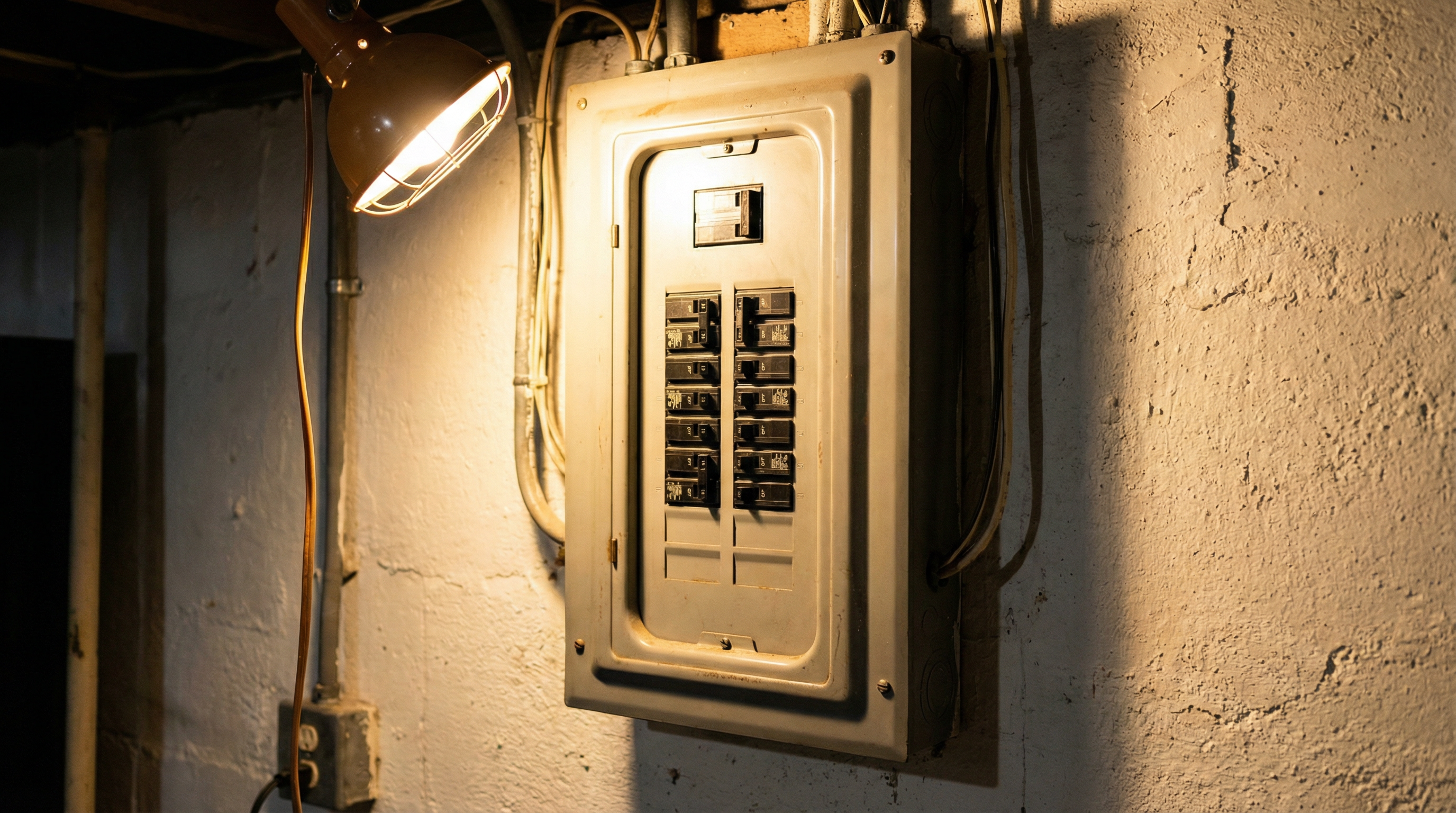
A failing circuit breaker can also be a source of buzzing. The circuit breaker is a critical safety device designed to trip and cut off power when it detects an overload or a fault. However, like any mechanical component, a breaker can wear out over time. A buzzing sound coming from your electrical panel is a strong indication that a breaker is faulty and may not trip when it needs to, leaving your home unprotected from power surges and short circuits.
In some cases, the source of the hum is not the wiring itself but a connected fixture. Fluorescent lighting, for example, uses a ballast to regulate the current to the lamp. As these ballasts age, they can begin to hum or buzz loudly. While this is not typically a direct fire hazard, it indicates that the fixture is failing and should be replaced. Similarly, dimmer switches can sometimes produce a low-level hum, which is generally normal. However, a loud or changing buzz from a dimmer switch can signal an incompatibility with the light bulbs or a defect in the switch itself.
When Is the Buzzing Dangerous? Recognizing the Warning Signs
While some electrical noises are relatively benign, others are clear indicators of a dangerous situation that requires immediate attention. The most significant danger associated with electrical buzzing is an arc fault. An arc fault occurs when electricity jumps through the air from one conductor to another, creating a high-intensity discharge of energy. This arc can reach temperatures hot enough to ignite surrounding materials like wood and insulation, leading to a devastating house fire.
It is essential for every homeowner to recognize the warning signs that accompany dangerous electrical buzzing. If you hear a humming or buzzing sound, look for these additional red flags:
- **A Burning Smell:** A faint or strong smell of burning plastic or ozone near an outlet, switch, or your electrical panel is a critical warning sign. This often indicates that wiring is overheating and melting its insulation.
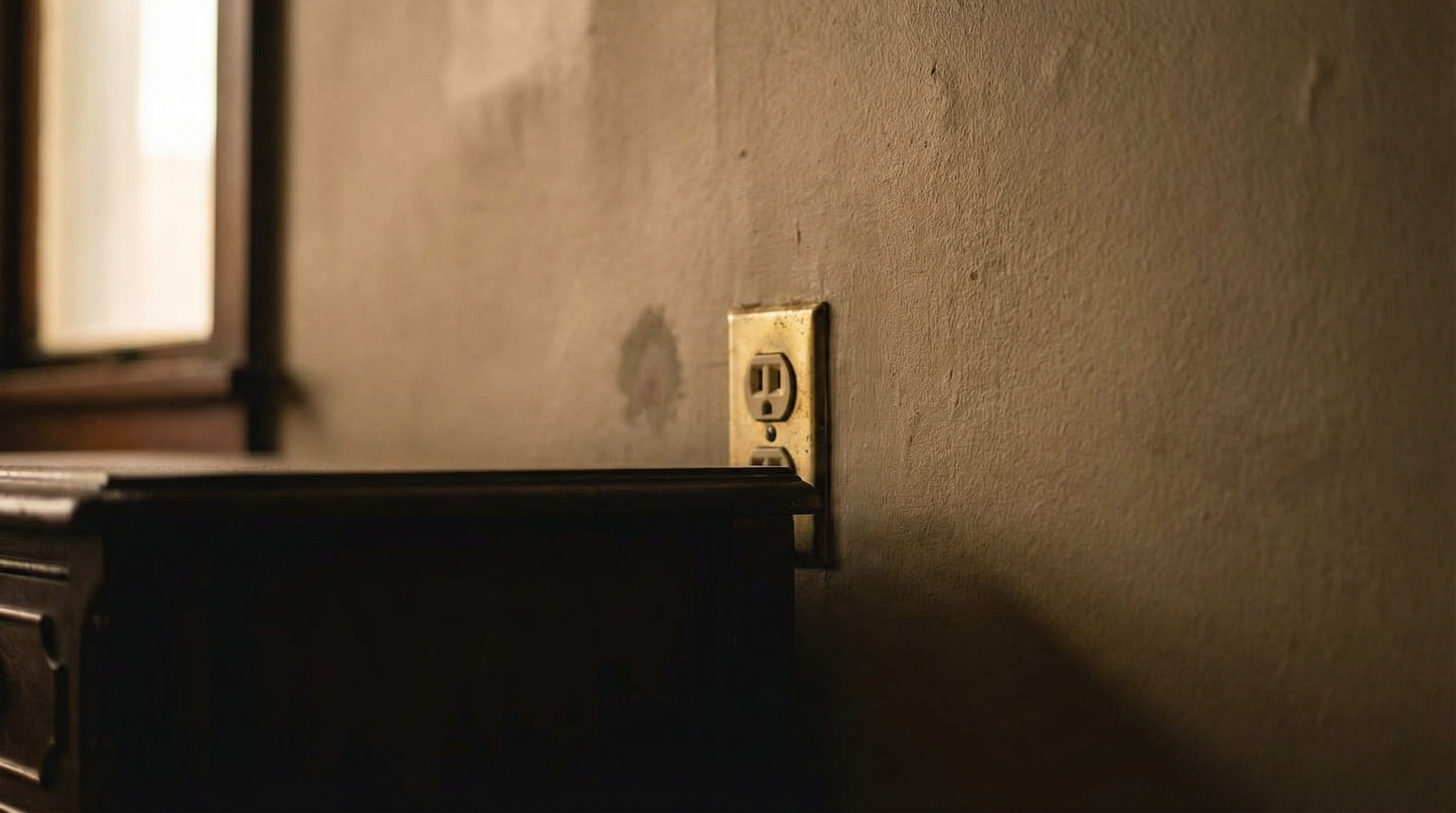
- **Scorched or Discolored Outlets:** Any discoloration, scorching, or soot around an electrical outlet or switch is a clear sign of a dangerous heat buildup. Do not use the outlet and call an electrician immediately.
- **Flickering or Dimming Lights:** If your lights flicker or dim when the buzzing sound occurs, it can indicate a loose connection or an overloaded circuit that is struggling to provide consistent power.
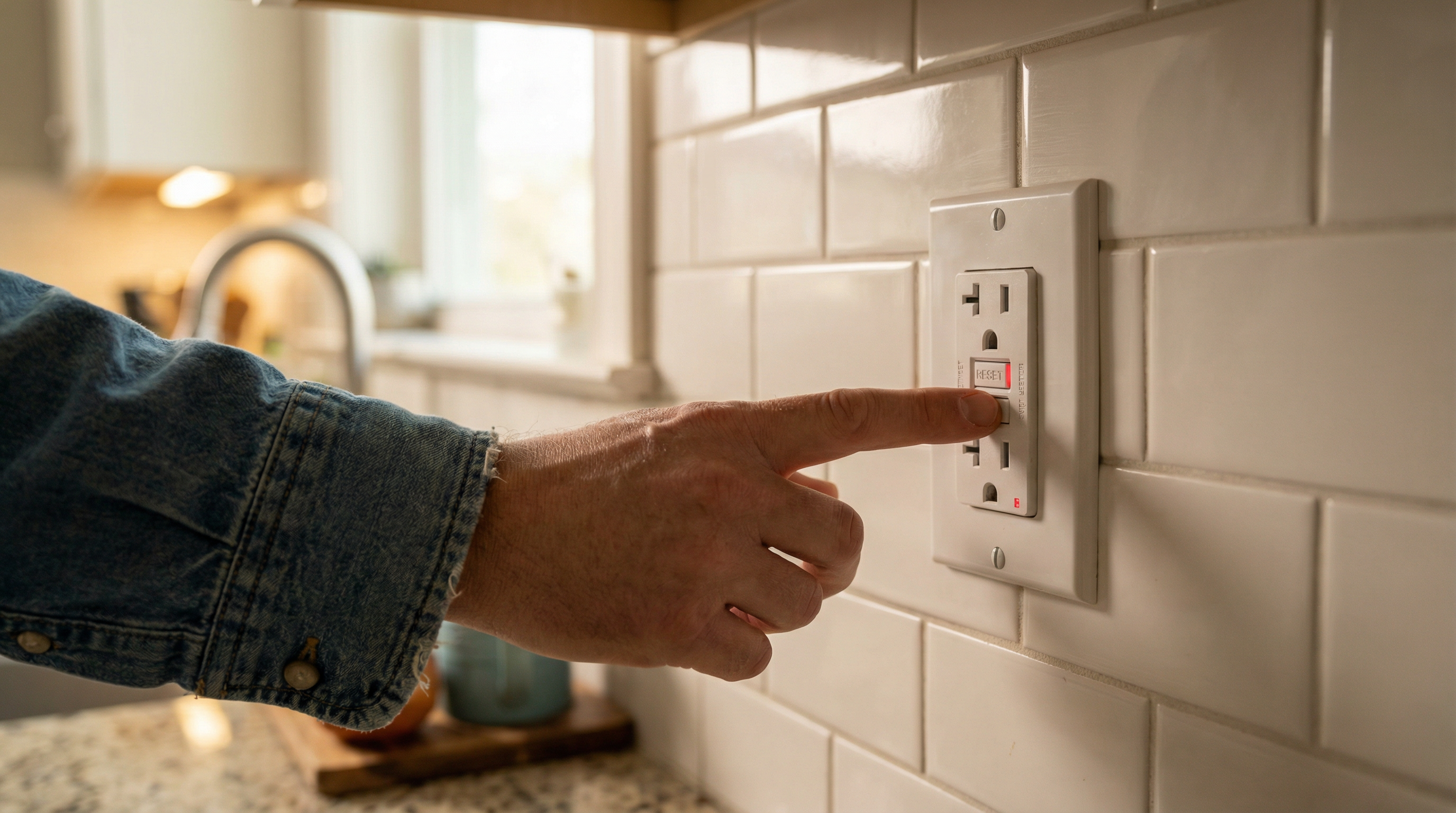
- **Frequently Tripping Breakers:** A circuit breaker that trips repeatedly is doing its job, but it’s also signaling an underlying problem. If a breaker continues to trip after you’ve reset it, there is likely a persistent fault in the circuit.
- **The Buzzing is Loud, Persistent, or Worsening:** A quiet, intermittent hum may not be an emergency, but a buzz that is loud, constant, or growing in intensity should be considered a serious warning.
If you notice any of these signs, it is crucial to treat the situation as a potential emergency. The risk of an electrical fire is real, and delaying action can have catastrophic consequences.
Understanding Harmless Electrical Noises
Not every sound from your electrical system is a cause for alarm. It’s helpful to be able to distinguish between the sounds of a system in distress and the normal operational noises of electrical components. In most cases, harmless electrical sounds are quiet, consistent, and not accompanied by any of the danger signs mentioned above.
For example, it is normal to hear a quiet hum from a transformer, such as the one that powers your doorbell or HVAC system. These devices use electromagnetic coils that can vibrate and produce a low-level hum during operation. You may also hear a distinct click from your circuit breaker when it trips or when you manually reset it. This is the sound of the internal switch operating and is perfectly normal.
As mentioned earlier, some dimmer switches and fluorescent light ballasts will produce a faint hum. This is often due to the way they regulate electricity and is generally not a cause for concern unless the sound is loud or changes in pitch or volume. The key is to pay attention to any changes. A sound that has always been there is likely normal; a new or worsening sound is a reason to investigate further.
What to Do if You Hear Electrical Buzzing in Your Walls
If you hear a persistent humming or buzzing sound in your walls, your first priority is safety. Electrical work is not a DIY project, and attempting to diagnose or repair the problem yourself can lead to electric shock or fire. Instead, follow these steps to ensure the situation is handled safely and effectively.
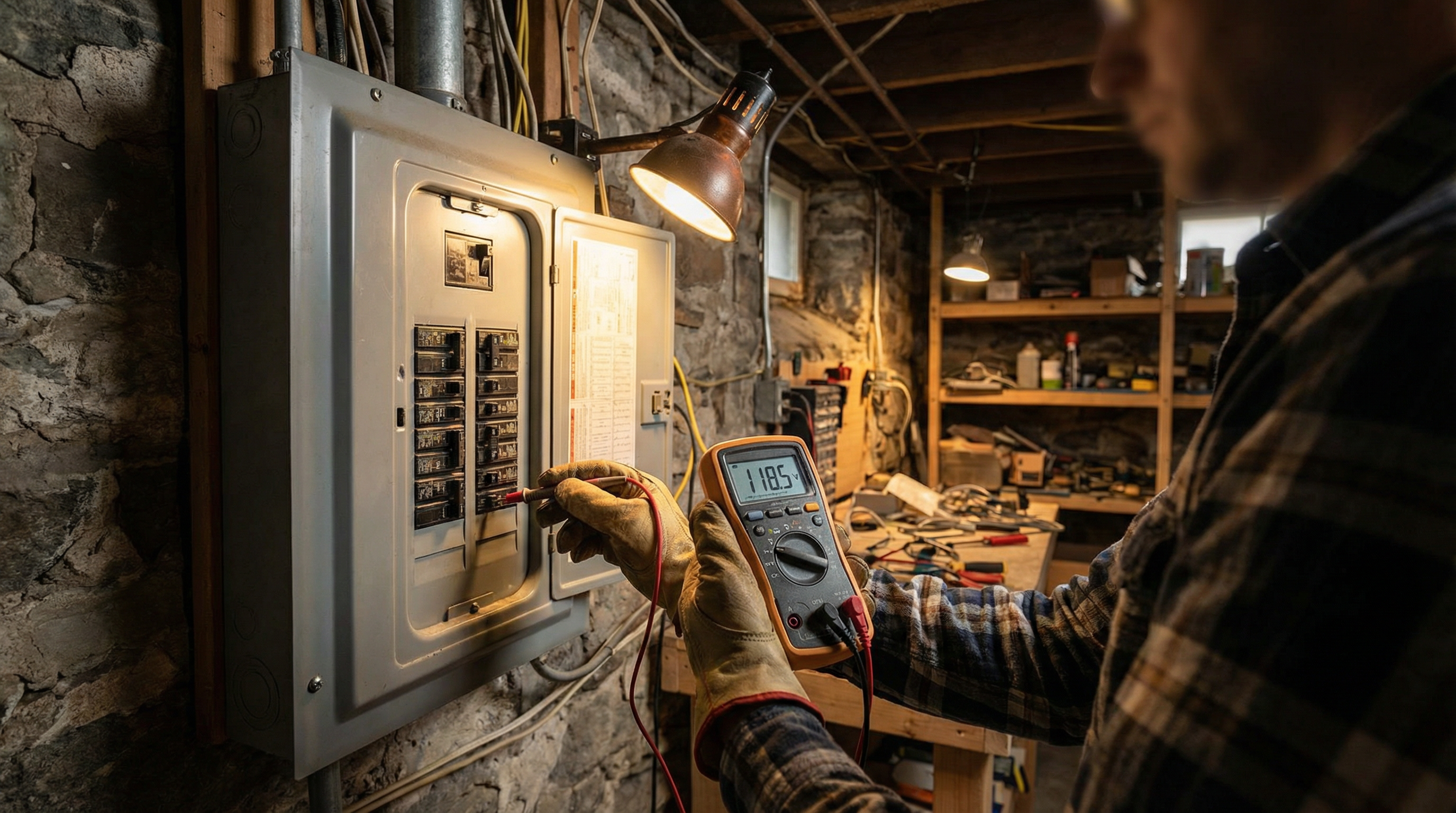
First, try to identify the location of the sound. Is it coming from a specific outlet, a light switch, or a general area within the wall? Pinpointing the source can help an electrician diagnose the problem more quickly. Next, go to your electrical panel and turn off the circuit breaker that supplies power to the affected area. If you are unsure which breaker it is, you can turn off the main breaker to shut off power to the entire house.
Once the power is off, check if the buzzing has stopped. If it has, leave the breaker off and do not use that circuit until it has been inspected by a professional. If the buzzing continues even after you’ve turned off all the breakers, the problem may be with the main electrical service line coming into your home. In this case, you should contact your utility company immediately, as well as a licensed electrician.
Under no circumstances should you ignore a persistent electrical buzzing sound. The most important step you can take is to call a qualified and licensed electrician. A professional has the training, experience, and diagnostic tools to safely identify the cause of the problem and perform the necessary repairs to ensure your home’s electrical system is safe and up to code.
The Importance of Professional Electrical Inspections
For many homeowners, the electrical system is "out of sight, out of mind." However, proactive maintenance is the best way to prevent dangerous situations from developing. A professional electrical inspection can identify potential hazards like loose connections, outdated wiring, and overloaded circuits before they become critical threats. This is especially important for homeowners in the Pittsburgh and Western Pennsylvania region, where a significant portion of the housing stock is older.
During an inspection, a licensed electrician will thoroughly examine your entire electrical system, from the main service panel to the outlets and fixtures in every room. They will check for any signs of wear and tear, ensure all connections are secure, and verify that your system is compliant with the latest National Electrical Code (NEC) standards. An inspection can provide you with peace of mind and a clear understanding of your home’s electrical health.
Your Safety Is Not a DIY Project
In Pittsburgh or the Surrounding Areas?
Never attempt to fix electrical problems on your own. The risks are simply too high. If you hear a persistent or concerning electrical noise, the safest and most responsible course of action is to contact a trusted, licensed electrician in your area. They have the expertise to diagnose the issue accurately and ensure your home’s electrical system is safe, reliable, and secure for years to come.
Get a Free Quote