Your home’s electrical panel is the heart of its electrical system, the central hub that distributes power to every outlet, switch, and appliance. For many homeowners in the Pittsburgh area, especially those in older homes in communities like Squirrel Hill or Murrysville, the electrical panel is an unassuming metal box in the basement that they rarely think about. However, understanding its function and prioritizing its safety is one of the most important responsibilities of homeownership. An outdated or malfunctioning panel not only poses a significant fire risk but can also prevent your home from safely supporting modern electrical demands.
Understanding Your Electrical Panel: The Basics
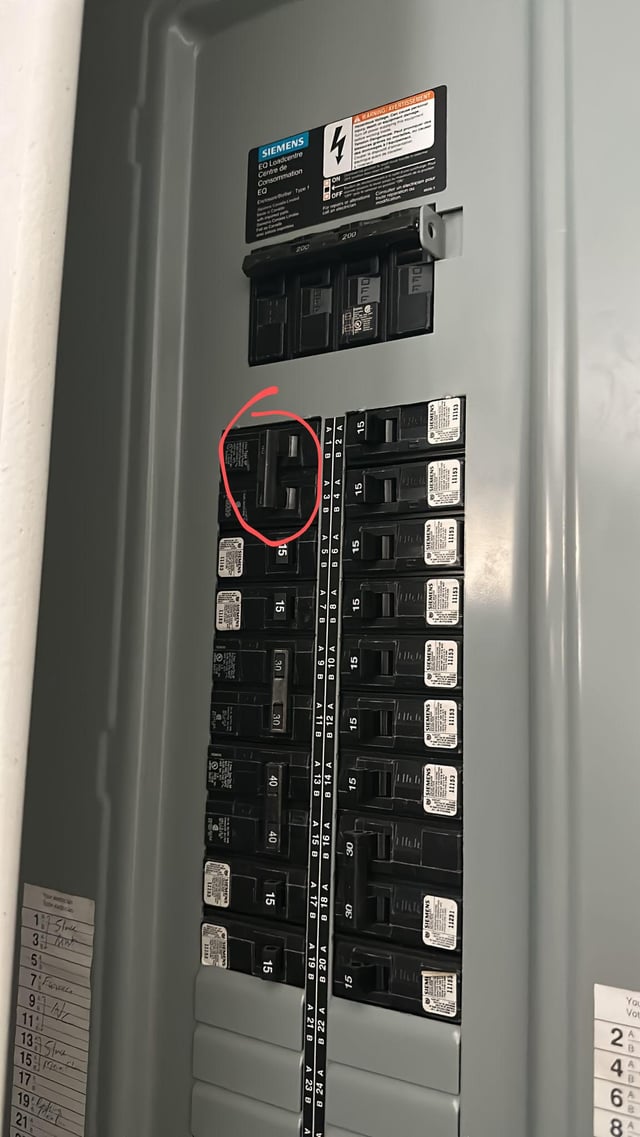
Think of your electrical panel as the command center for your home's power. The main power line from the utility company flows into this box, where it is then divided into smaller electrical circuits that run throughout your house. Each circuit is protected by a circuit breaker or, in very old homes, a fuse. These safety devices are designed to automatically shut off power to a circuit if it becomes overloaded or experiences a short, preventing wires from overheating and causing a fire. Knowing the basics of your panel is the first step toward ensuring your home's electrical safety.
- **Main Breaker:** This is the switch that can shut off power to your entire home. It’s crucial to know where it is and how to operate it in an emergency.
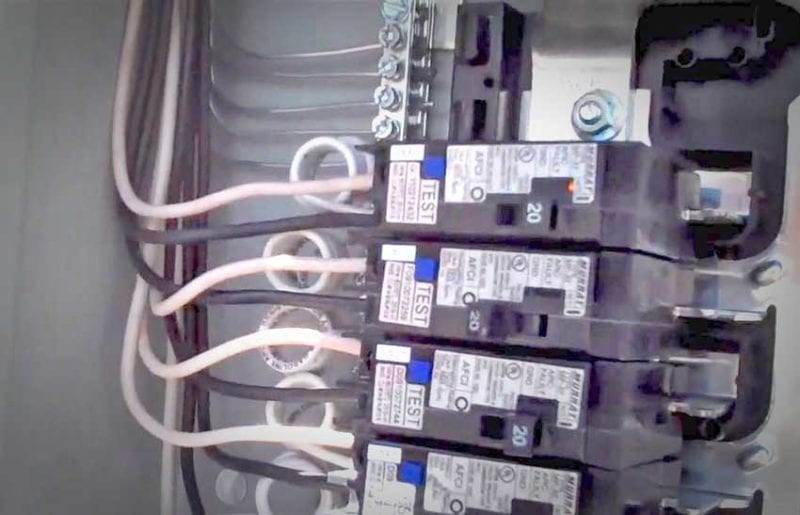
- **Circuit Breakers:** Each of these smaller switches controls a specific circuit (e.g., the kitchen outlets or the bedroom lights). When a circuit draws too much power, its breaker "trips" (switches off).
- **Bus Bars:** These are metal bars that connect to the main breaker and distribute electricity to the individual circuit breakers.
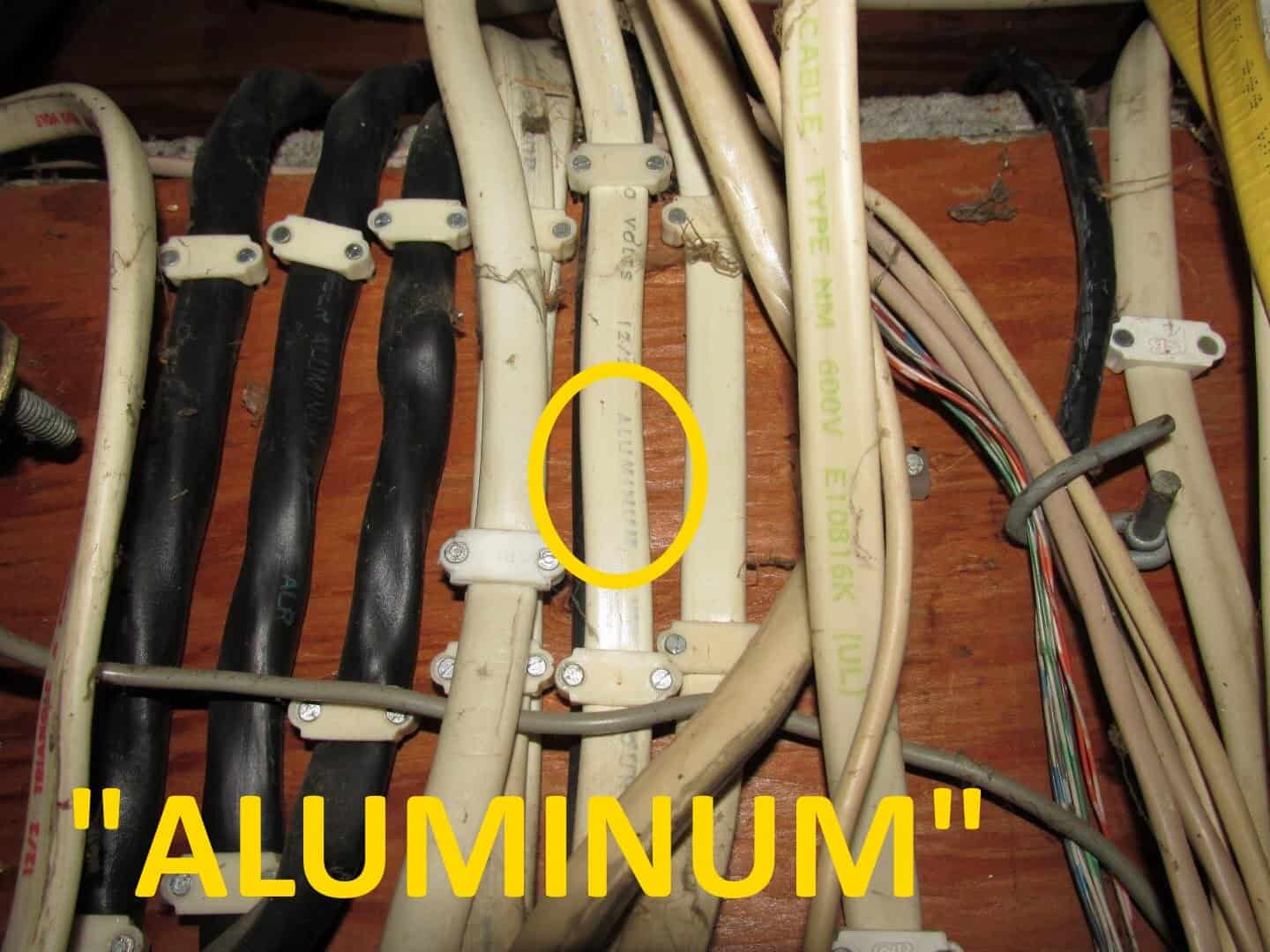
- **Wiring:** You will see a complex network of wires connecting the breakers to the various circuits throughout your home.
Common Electrical Panel Issues in Older Western Pennsylvania Homes
Many homes in Allegheny and Westmoreland counties were built decades ago, and their electrical systems were not designed for the demands of modern life. An electrical panel that was sufficient in the 1960s is often dangerously inadequate today. Some older panels, like those made by Federal Pacific Electric (FPE) and Zinsco, are known for having design flaws that cause their breakers to fail to trip, creating a severe fire hazard. If your home has one of these panels, or if your panel is more than 25-30 years old, it is essential to have it inspected by a qualified electrician.
- Frequent tripping of circuit breakers.
- Flickering or dimming lights, especially when a large appliance turns on.
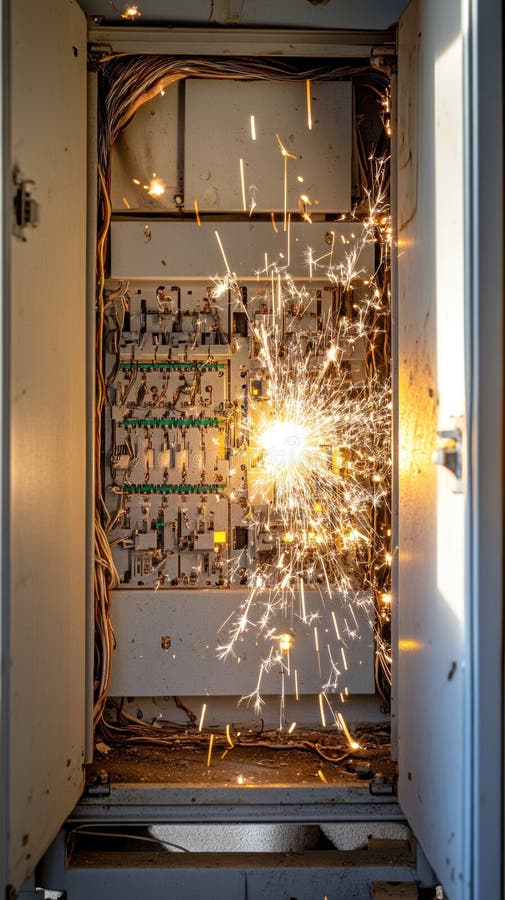
- A persistent burning smell or buzzing sound coming from the panel.
- Visible rust or corrosion on the panel box or breakers.
- The panel feels warm to the touch.
- You still have a fuse box instead of a modern circuit breaker panel.
Electrical Panel Safety: What Every Homeowner Should Know
When it comes to your electrical system, safety must always be the top priority. While it can be tempting to try a DIY fix, electrical work is not the place to cut corners. The voltages inside an electrical panel are high enough to cause serious injury or even death. Furthermore, improper wiring is a leading cause of house fires. Always entrust electrical work to a licensed and insured professional who understands local codes and safety standards.
Safety First: Never attempt to open or work on your electrical panel yourself. The risk of severe electrical shock or fire is extremely high. Always call a qualified electrician for any work beyond resetting a tripped breaker.
- **Keep the Area Clear:** Ensure there is at least three feet of clear space in front of your electrical panel at all times. Never block it with storage or furniture.
- **Label Your Circuits:** Take the time to accurately label what each circuit breaker controls. This is invaluable during an emergency or when you need to shut off power to a specific area.
- **Protect from Moisture:** Never store flammable materials near your panel and ensure the area is dry. If you have a panel in a damp basement, consider having a protective enclosure installed.
- **Know How to Shut Off Power:** Make sure everyone in your household knows where the main breaker is and how to turn it off in an emergency.
When Is It Time for an Electrical Panel Upgrade?
An electrical panel upgrade is a significant investment, but it is one of the most important you can make for your home’s safety and functionality. If you are planning a major home renovation, adding a new appliance like an EV charger or a hot tub, or if your current panel is showing signs of wear, it is time to consider an upgrade. A new panel provides a clean, safe, and reliable foundation for your home’s entire electrical system, giving you the capacity you need for today’s technology and peace of mind for years to come.
In Pittsburgh or the Surrounding Areas?
Your electrical panel is too important to ignore. If you have concerns about the safety or capacity of your panel, or if you live in an older home in the Pittsburgh area, it’s time to seek professional guidance. Licensed electricians specialize in electrical safety inspections and modern panel upgrades for homeowners throughout communities like Plum, Penn Hills, and Greensburg, providing safe, long-term solutions that protect your family and your home. Contact a licensed electrician today for a comprehensive safety evaluation.
Get a Free Quote