Essential Electrical Safety Tips for Every Homeowner
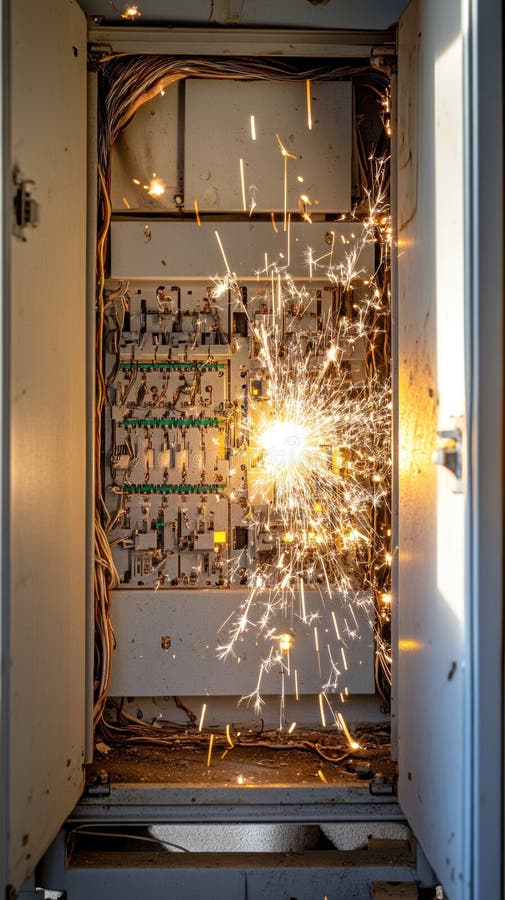
As an electrician with years of experience serving communities from Lower Burrell to the South Side of Pittsburgh, I’ve seen firsthand how a little knowledge can prevent major electrical problems. Your home’s electrical system is its heart, powering everything from your morning coffee to your family’s movie night. But when neglected, it can pose serious risks. This guide is written for you—the homeowner—to provide practical, easy-to-understand electrical safety tips that protect your family and your property. We’ll cover the essentials, from understanding your breaker panel to recognizing the warning signs of an overloaded circuit, ensuring your home remains a safe haven.
Understanding Your Home’s Electrical Panel
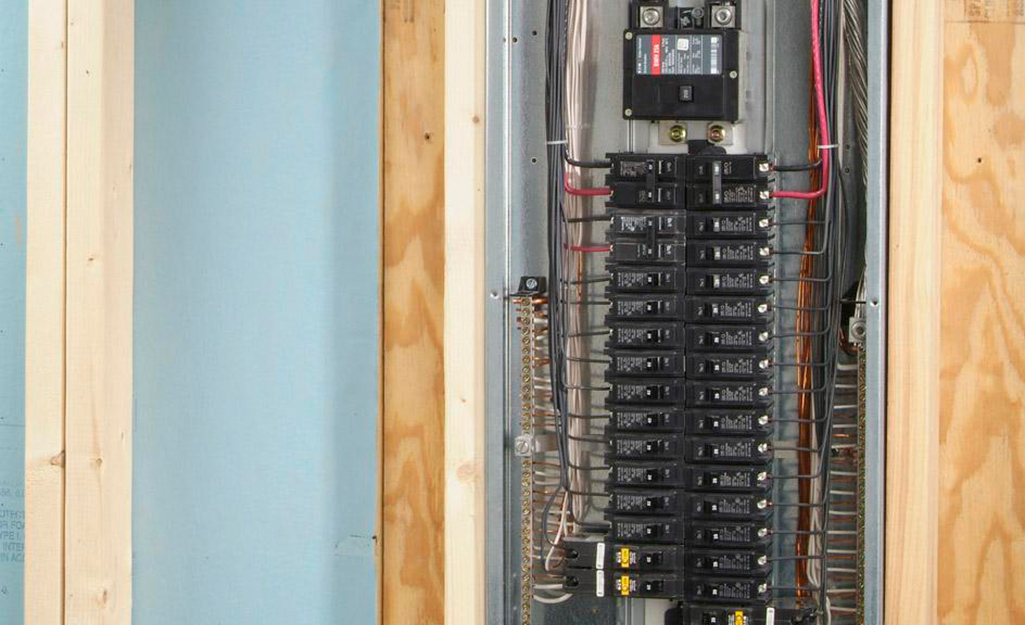
Your electrical panel, or breaker box, is the command center of your home's electrical system. It’s crucial to know where it is and how it works. In many older homes in Allegheny County, you might find it in the basement, garage, or a utility closet. This panel houses circuit breakers, which are safety switches that automatically shut off power to a circuit when they detect an overload or a fault. This prevents wires from overheating and causing a fire. It’s a good practice to label each breaker so you know which parts of your home they control. This is incredibly helpful when you need to shut off power to a specific area for a repair or during an emergency.
Here’s a quick guide to get familiar with your panel:
- Locate your panel and ensure the area around it is clear and accessible.
- Open the panel door and familiarize yourself with the breaker layout. If they aren’t labeled, take the time to map them out by turning them off one by one and seeing what loses power.
- Know how to reset a tripped breaker. A breaker is tripped when the switch is in the middle position or shifted to ‘off.’ To reset it, push it firmly to the ‘off’ position and then back to ‘on.’
- If a breaker trips repeatedly, it’s a sign of a deeper problem. Don’t ignore it. This is your system’s way of telling you there’s an issue that needs professional attention.
Recognizing the Dangers of Overloaded Circuits
An overloaded circuit is one of the most common electrical hazards in homes, especially older ones in communities like New Kensington and Murrysville that weren’t built to handle today’s high-powered electronics. A circuit becomes overloaded when you draw more electricity than it can safely handle. Think about a single kitchen circuit trying to power a refrigerator, a microwave, a toaster, and a coffee maker all at once. The wires in the wall can’t handle that much current, so they heat up, which can melt the insulation and lead to a fire. Signs of an overloaded circuit include frequently tripping breakers, dimming or flickering lights when you turn on an appliance, a burning smell from outlets, or outlets that are warm to the touch.
Safety First: If a breaker trips, it did its job. Before you reset it, unplug some devices from the circuit to reduce the load. If you’re constantly dealing with tripped breakers, it’s a clear sign your home’s electrical needs have outgrown its capacity. This is a good time to call a licensed electrician to discuss upgrading your panel or adding new circuits.
The Importance of GFCI and AFCI Protection
Two of the most important electrical safety devices in your home are Ground Fault Circuit Interrupters (GFCIs) and Arc Fault Circuit Interrupters (AFCIs). They are designed to protect against two different, but equally dangerous, types of electrical faults. GFCIs are designed to protect people from electrical shock. They monitor the flow of electricity in a circuit and if they detect even a tiny imbalance—like electricity flowing through a person instead of the wire—they shut off the power in a fraction of a second. You’ll find GFCI outlets in areas with water, like kitchens, bathrooms, laundry rooms, and outdoor spaces. It’s a good idea to test them monthly by pressing the ‘TEST’ button and then the ‘RESET’ button.
AFCIs, on the other hand, are designed to prevent fires. They detect dangerous arcing conditions, which are tiny sparks that can happen in damaged, frayed, or loose wiring. These arcs can create intense heat and ignite surrounding materials like wood or insulation. AFCI protection is now required by the National Electrical Code in most living areas of the home, including bedrooms, living rooms, and hallways. Many older homes in Westmoreland County were built before these were required, so adding AFCI breakers to your panel is a powerful safety upgrade.
Extension Cords Are for Temporary Use Only
Extension cords are a convenient tool, but they are not a permanent wiring solution. Using them as a long-term fix for a lack of outlets is a major fire hazard. These cords are not designed to handle heavy loads for extended periods, and they can overheat if coiled up or run under rugs. If you find yourself relying on a web of extension cords and power strips to power your home, it’s a clear sign you need more outlets. A qualified electrician can easily add new outlets to a room, which is a much safer and more permanent solution. When you do use an extension cord, make sure it’s rated for the power of the device you’re plugging into it and never use an indoor cord for outdoor tasks.
Need Professional Help?
Licensed electricians are dedicated to helping homeowners in the greater Pittsburgh area keep their homes safe. From whole-home safety inspections and panel upgrades to installing new outlets and GFCI protection, a licensed electrician can provide trustworthy advice and professional service. If you have any concerns about your home's electrical system or want to schedule a safety evaluation, reach out to a licensed electrician to power your home safely and reliably for years to come.