
Many homes in Pittsburgh's established neighborhoods were built 50, 70, or even 100 years ago. While these homes have character and charm, their electrical systems may not have been updated to meet modern safety standards. Outdated wiring is not just an inconvenience — it is a genuine fire hazard that puts your family and property at risk.
1. Frequent Circuit Breaker Trips
If your circuit breakers trip regularly, it usually means the circuits are being asked to carry more current than they were designed for. While an occasional trip is normal, frequent trips indicate that your electrical system is struggling to keep up with your household's demands.
2. Discolored or Warm Outlets and Switch Plates
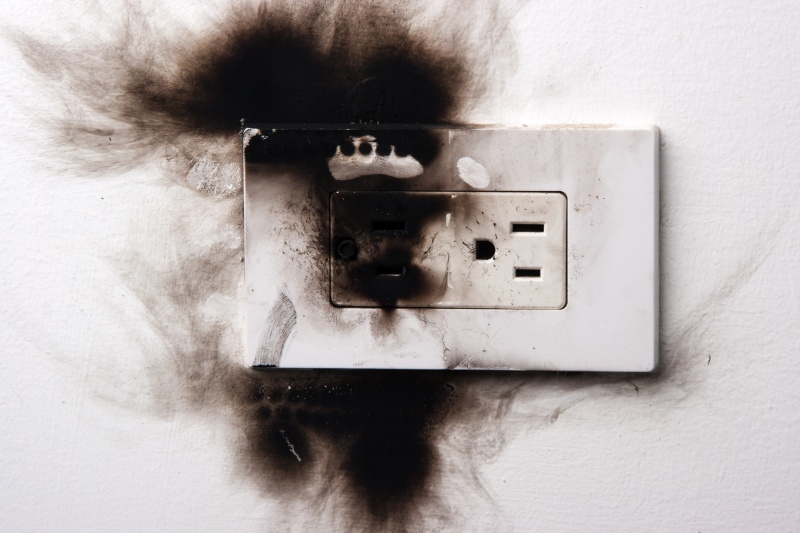
Outlets or switch plates that feel warm to the touch or show brown discoloration are a serious warning sign. This can indicate loose connections, damaged wiring, or overloaded circuits behind the wall. Any warm or discolored outlet should be inspected by a licensed electrician immediately.
3. Burning or Unusual Odors
A persistent burning smell near outlets, switches, or your electrical panel is one of the most urgent warning signs. This could indicate that wire insulation is melting or that an electrical connection is arcing. If you notice this smell, turn off the circuit at the breaker and call an electrician right away.
4. Two-Prong Outlets Throughout the Home
If your home still has two-prong outlets, it means the wiring does not include a ground wire. Grounding is a critical safety feature that provides a safe path for electrical current in the event of a fault. Without it, you are at increased risk of electrical shock and damage to sensitive electronics.
5. Flickering or Dimming Lights
Lights that flicker or dim when you turn on an appliance may indicate that your circuits are overloaded or that there are loose connections in your wiring. While a single flickering bulb might just need to be tightened, widespread flickering is a sign of a deeper electrical issue.
6. Aluminum Wiring
Homes built in the 1960s and 1970s sometimes used aluminum wiring instead of copper. Aluminum wiring expands and contracts more than copper, which can cause connections to loosen over time and create fire hazards. If your home has aluminum wiring, a licensed electrician can install special connectors to make the connections safer.
7. No GFCI Protection in Wet Areas
Modern electrical codes require Ground Fault Circuit Interrupter (GFCI) outlets in bathrooms, kitchens, garages, and outdoor areas. These outlets detect ground faults and shut off power in milliseconds to prevent electrical shock. If your home does not have GFCI outlets in these areas, your wiring may not meet current safety standards.
According to the National Fire Protection Association, electrical failures or malfunctions are the second leading cause of house fires in the United States. Regular electrical inspections can identify hazards before they become emergencies.
In Pittsburgh or the Surrounding Areas?
If you have noticed any of these warning signs in your Pittsburgh home, do not wait for a problem to become an emergency. A licensed electrician provides thorough electrical safety inspections and can identify and resolve wiring issues to keep your home safe.
Get a Free Quote