Pittsburgh and its surrounding communities in Western Pennsylvania are known for their rich history and beautiful, older homes. From the stately Victorian houses in Shadyside to the charming Craftsman bungalows found in towns like New Kensington and Greensburg, these properties possess a unique character that new construction often lacks. However, beneath the surface of that historic charm can lie an outdated and potentially dangerous secret: the electrical system. Many of these homes, built decades ago, were simply not designed to handle the demands of modern life, making electrical upgrades a crucial investment in both safety and functionality.
Signs Your Home’s Electrical System is Outdated
For homeowners in Allegheny and Westmoreland counties, it’s important to recognize the warning signs of an electrical system that is struggling to keep up. In many houses built before the 1980s, the original wiring and electrical panels are still in place. At the time, these systems were adequate, but they are no match for today’s world of high-powered kitchen appliances, multiple computers, big-screen televisions, and the growing demand for things like electric vehicle chargers. Ignoring the signs of an overloaded system can lead to frustrating inconveniences at best and a serious fire hazard at worst.
Pay close attention to these common red flags that indicate your electrical system needs a professional evaluation:
- **Frequent Circuit Breaker Trips:** If your breakers trip regularly, it’s a clear sign that your circuits are overloaded.
- **Flickering or Dimming Lights:** When lights flicker as a large appliance like an air conditioner or microwave turns on, it suggests your system is strained.
- **A Persistent Burning Smell:** Any unusual smell, especially a sharp, burning odor coming from an outlet or the electrical panel, requires immediate attention.
- **Discolored or Warm Outlets:** Outlets that are warm to the touch or show signs of discoloration are a serious fire risk.
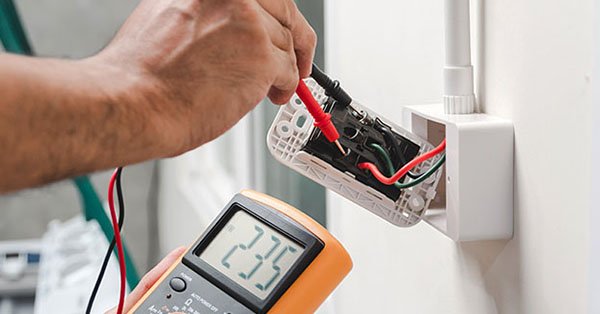
- **Lack of Grounded Outlets:** Two-prong outlets lack a grounding wire, a critical safety feature that protects against electrical shock and damage to sensitive electronics.
- **Reliance on Extension Cords:** If you find yourself using extension cords and power strips in every room, it’s a sign your home doesn’t have enough outlets to meet your needs.
Critical Electrical Upgrades for Safety and Functionality
Modernizing your home's electrical system is not just about convenience; it’s about protecting your family and your investment. Several key upgrades can address the shortcomings of older systems, bringing your home up to modern safety standards and preparing it for future technological needs. These projects range from targeted improvements to comprehensive overhauls, each providing a significant return in safety and peace of mind.
1. Electrical Panel Upgrade
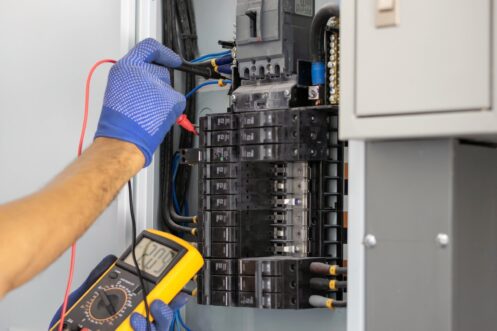
The electrical panel, or breaker box, is the heart of your home’s electrical system. It receives the main power from the utility and distributes it throughout the house, with circuit breakers providing crucial protection against overloads. Many older homes in communities like Plum and Penn Hills still have outdated fuse boxes or panels with a capacity as low as 60 or 100 amps. This is simply not enough for the average modern household. A panel upgrade is often the first and most important step in any electrical modernization project.
Upgrading to a modern 200-amp panel offers several key benefits:
- **Increased Electrical Capacity:** A new panel provides the power needed for a new kitchen, a home office, or the installation of an EV charger.
- **Enhanced Safety:** Modern panels use circuit breakers that are more reliable and easier to reset than old fuses. They also provide better protection against overloads and short circuits.
- **Space for Future Expansion:** A new panel includes extra slots, making it easy to add dedicated circuits for future appliances or a home addition.
- **Insurance and Home Value:** Many insurance companies require modern breaker panels, and an upgraded electrical system is a strong selling point that adds significant value to your home.
2. Replacing Outdated Wiring
The wiring inside your walls is the circulatory system for your home’s power. Unfortunately, some types of wiring used in the past are now known to be significant fire hazards. Knob-and-tube wiring, found in many Pittsburgh homes built before 1950, involves running individual copper wires through porcelain tubes in the wall studs. As the insulation on these wires deteriorates over time, it can create a serious fire risk. Similarly, aluminum wiring, used for a period in the 1960s and 1970s, is prone to overheating at connection points, posing another hidden danger.
A complete or partial rewiring of your home provides fundamental safety improvements:
- **Reduces Fire Risk:** Modern copper wiring with durable insulation is significantly safer and designed to last for decades.
- **Provides Proper Grounding:** New wiring ensures that every outlet in your home is properly grounded, protecting your family and your electronics.
- **Supports Modern Lifestyles:** It allows you to use multiple appliances without the risk of overheating wires inside your walls.
- **Code Compliance:** A professionally rewired home meets all current electrical codes, giving you ultimate peace of mind.
3. Installing GFCI and AFCI Protection
Modern electrical codes mandate two critical types of protection that are often missing in older homes: Ground Fault Circuit Interrupters (GFCIs) and Arc-Fault Circuit Interrupters (AFCIs). GFCIs are designed to protect people from electrical shock. They monitor the flow of electricity and instantly shut off the power if they detect an imbalance, such as when electricity is passing through a person. AFCIs, on the other hand, are designed to prevent fires. They detect the unique electrical signature of a dangerous arc—a common source of electrical fires caused by damaged or loose wiring—and cut the power before a fire can start.
For complete safety, these devices should be installed in specific areas:
- **GFCI Protection:** Required in all bathrooms, kitchens (countertop outlets), garages, unfinished basements, and for all outdoor outlets.
- **AFCI Protection:** Recommended for all living areas, including bedrooms, living rooms, hallways, and closets. This can be done with AFCI outlets or by installing AFCI circuit breakers in your main panel.
Electrical work is not a DIY project. For the safety of your family and your home, always hire a licensed and insured electrician for any upgrades or repairs. An unqualified individual can easily make a mistake that leads to fire, injury, or significant property damage. Always verify credentials and ask for local references.
Planning Your Electrical Modernization Project
Embarking on an electrical upgrade project can feel daunting, but a systematic approach can make the process manageable. The best first step is to schedule a comprehensive electrical safety inspection with a qualified electrician. This will give you a clear, prioritized list of what your home needs, from urgent safety fixes to long-term improvements. You may find that a phased approach works best for your budget, allowing you to tackle the most critical items first and plan for other upgrades down the road. Whether you live in Monroeville or the South Side, a professional will also ensure all work complies with local building codes.
Need Professional Help?
Investing in your home’s electrical system is a direct investment in your family’s safety, comfort, and peace of mind. If you have concerns about the electrical system in your older Pittsburgh-area home, the expert team at a licensed electrician is here to help. Licensed electricians specialize in comprehensive electrical upgrades for older homes, from panel replacements and rewiring to installing modern safety devices. Contact a licensed electrician today for a professional consultation to ensure your home is safe, modern, and ready for the future.