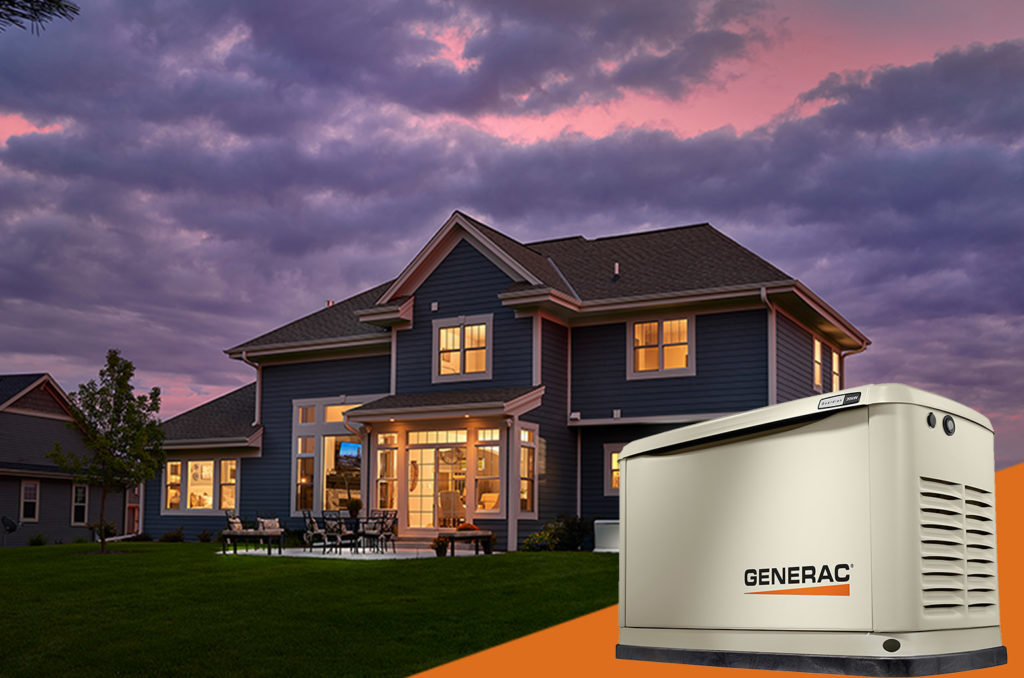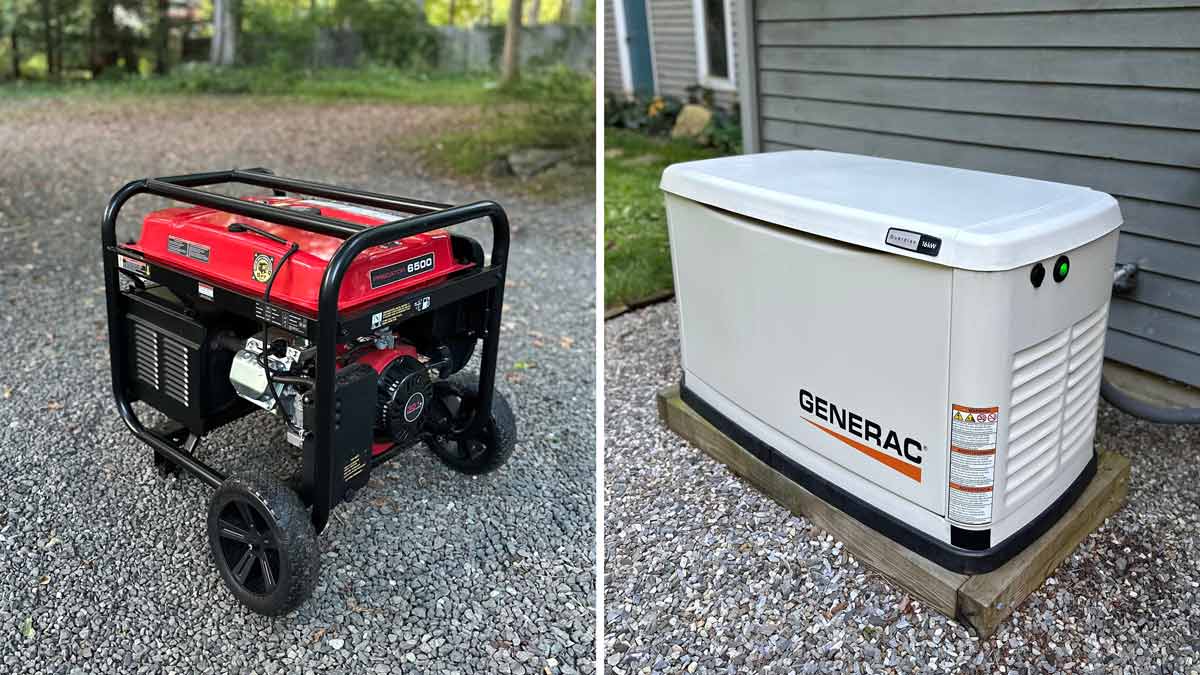
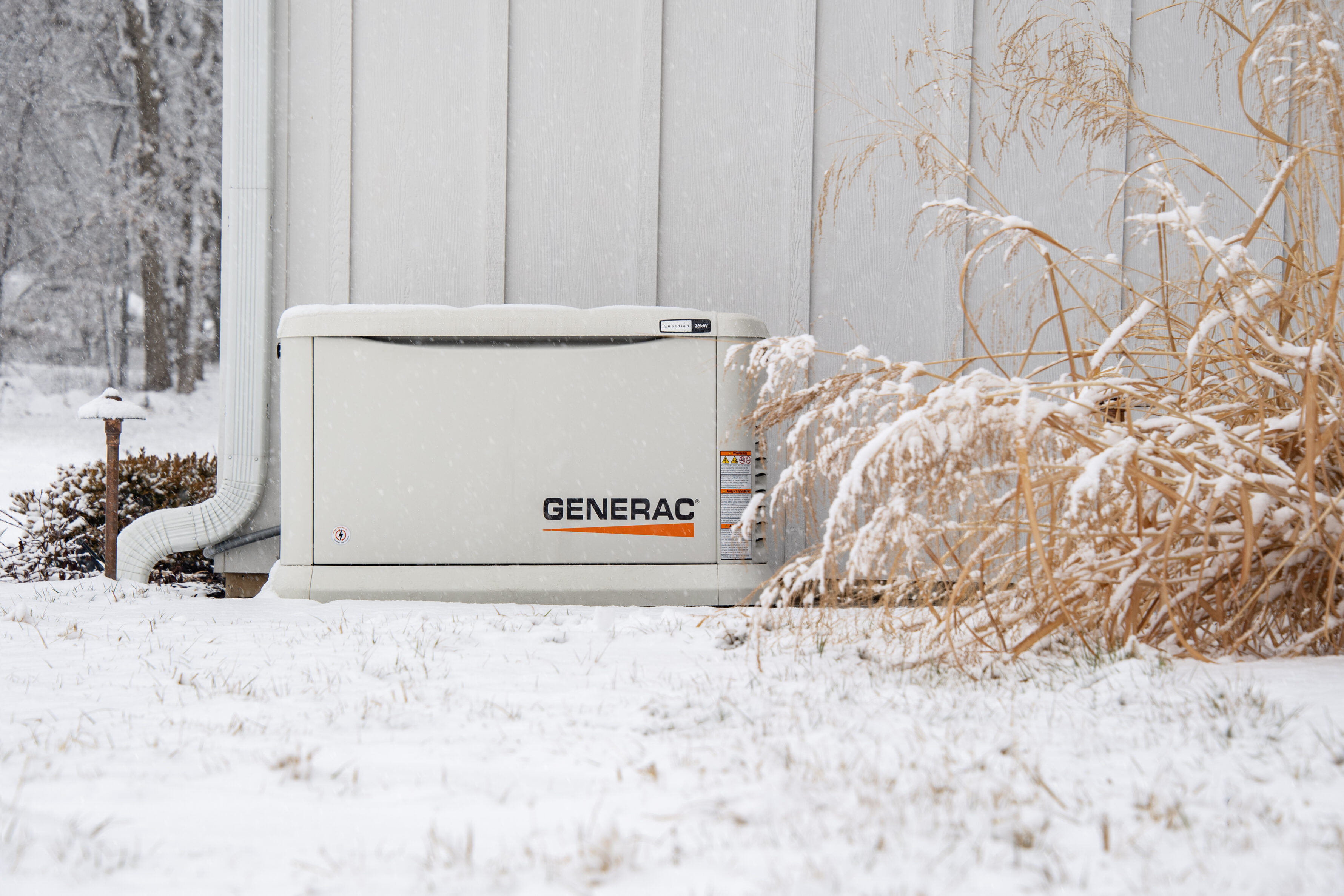
A whole-home standby generator is a significant investment in your family’s safety and comfort, ensuring your lights and essential appliances stay on during a power outage. For many homeowners in Western Pennsylvania, where storms can be unpredictable, a generator provides invaluable peace of mind. But what does the installation process actually involve, and how long does it take from start to finish? Understanding the timeline can help you plan accordingly and know what to expect.
Step 1: Initial Consultation and System Design
The first step is a thorough on-site consultation with a qualified electrician. This isn't just a quick look; a proper assessment involves evaluating your home's electrical panel, meter, and overall electrical load. We'll discuss what you want to power during an outage—just the essentials like the furnace, refrigerator, and a few lights, or the entire house. This information helps determine the right size generator for your needs, ensuring it can handle the demand without being overworked. This initial meeting, which typically takes about 60-90 minutes, is also the perfect time to discuss placement options for the generator itself, considering local codes and manufacturer requirements.
Step 2: Permitting and HOA Approval
Nearly every generator installation in Allegheny County and the surrounding areas requires a permit from your local municipality. This process ensures the work is done to code, which is crucial for your safety. The permit application includes details about the generator, its placement, and the electrical plan. Additionally, if you live in a community with a Homeowners Association (HOA), you will likely need their approval as well. Navigating these approvals can take anywhere from a week to a few months, depending on the municipality and HOA. It’s a step that can’t be rushed, as proceeding without proper authorization can lead to significant fines and the removal of the equipment.
Step 3: Ordering and Receiving Equipment
Once the system design is finalized and permits are in process, the generator and automatic transfer switch (ATS) are ordered. Lead times for equipment can vary based on the model and manufacturer availability. While some common models may be in stock locally, others might need to be factory-ordered, which can take several weeks. We handle all the logistics of ordering and receiving the equipment, ensuring everything arrives safely and is stored securely until the installation day.
Step 4: Installation Day - The Main Event
Installation day is where the magic happens. Licensed electricians will prepare the installation site, which often involves laying a concrete pad or a specialized gravel base for the generator. The generator is then carefully set in place. Next, the electrician installs the automatic transfer switch (ATS) next to your main electrical panel. The ATS is the brain of the system; it senses when utility power is lost and automatically signals the generator to start, seamlessly transferring your home to generator power. This process involves intricate wiring and a deep understanding of residential electrical systems, especially in older Pittsburgh homes that may have unique wiring configurations.
Step 5: Fuel Connection and System Startup
With the electrical work complete, the generator needs its fuel source connected. For natural gas models, this involves a licensed plumber running a gas line from your home’s supply to the generator. If you have a propane model, a licensed professional will connect it to your propane tank. Once the fuel is connected, we perform the initial startup. This includes checking all connections, running the generator through a full test cycle, and simulating a power outage to ensure the automatic transfer switch functions perfectly. We won’t leave until we’ve confirmed the entire system operates exactly as it should.
**Safety First:** Never attempt to install a generator yourself or hire an unlicensed individual for the job. Improper installation is not only illegal but also incredibly dangerous, posing risks of carbon monoxide poisoning, electrocution, and fire. Always work with a licensed and insured electrical contractor who specializes in generator installations.
**Typical Generator Installation Timeline:**
- **Week 1:** Initial Consultation & System Design
- **Weeks 2-4:** Permitting & HOA Approvals
- **Weeks 4-8:** Equipment Ordering & Delivery
- **Week 9:** Installation & Electrical Work (1-2 days)
- **Week 10:** Final Inspection & System Commissioning
From the initial consultation to the final commissioning, a typical whole-home generator installation can take anywhere from 4 to 12 weeks. The most significant variables are permit processing times and equipment lead times. While the physical installation may only take a day or two, the preceding steps are essential for a safe and reliable system. Planning ahead, especially before the winter storm season in Western Pennsylvania, is always a wise decision.
Need Professional Help?
If you're considering a whole-home generator for your home in the Pittsburgh area, trust the experts at a licensed electrician. We provide transparent, education-focused consultations to help you find the right solution for your needs and budget. Contact a licensed electrician today to schedule your free estimate and take the first step toward uninterrupted power and peace of mind.