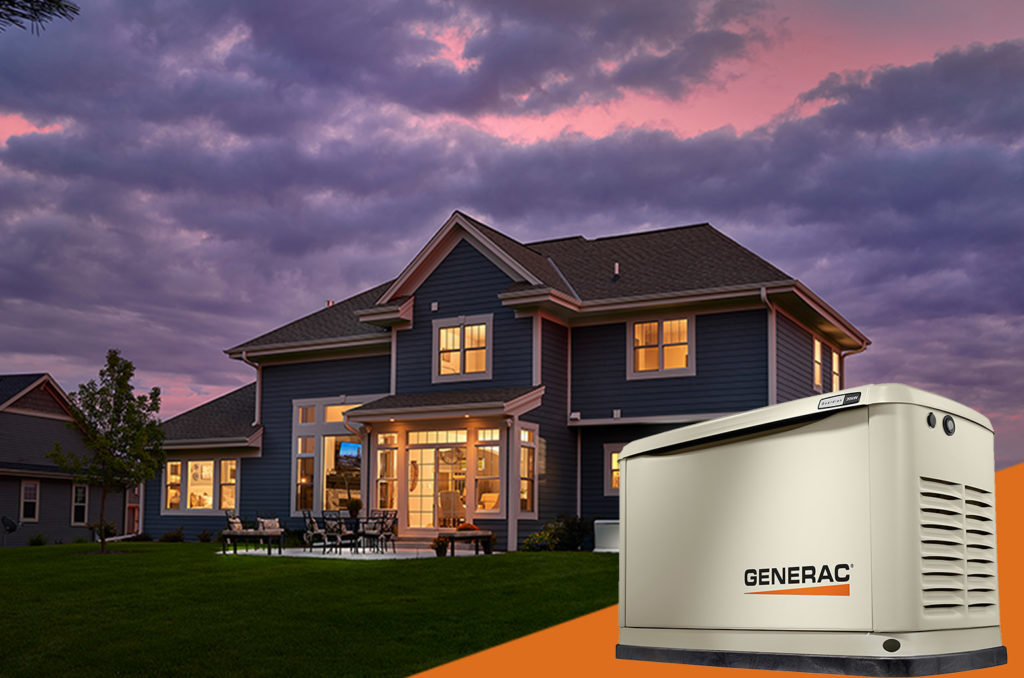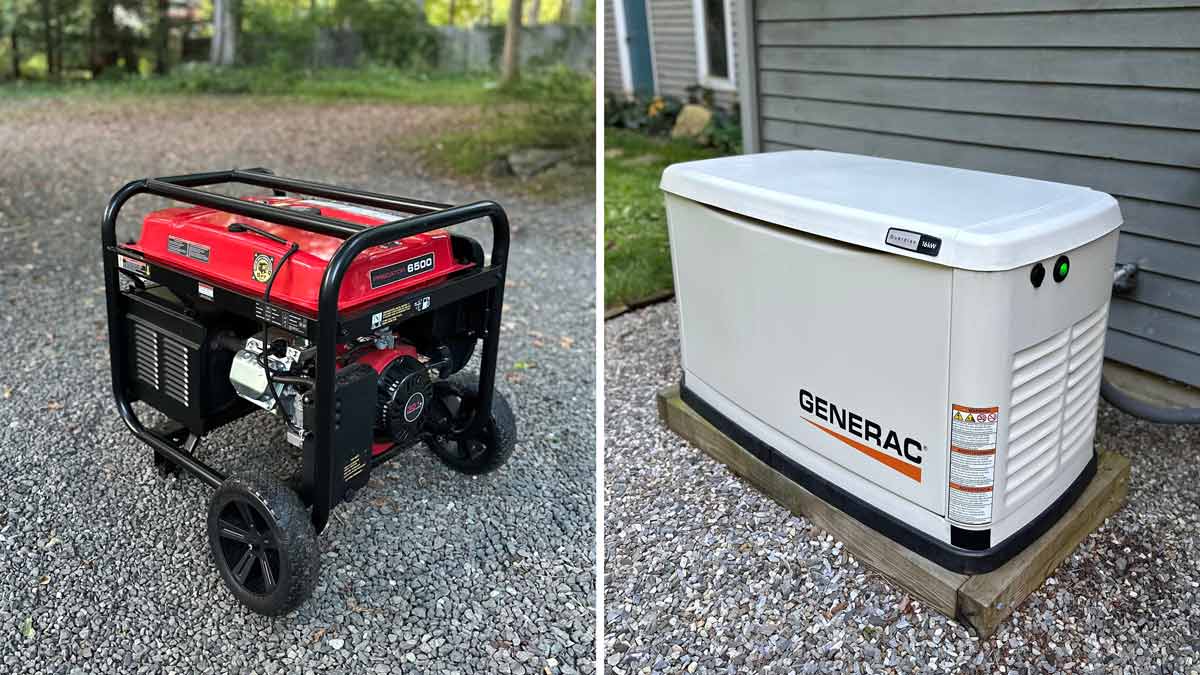
A reliable generator isn't a luxury in Western Pennsylvania; it's a necessity. With our region's unpredictable weather, from summer thunderstorms rolling over the Allegheny Plateau to heavy winter snows, a power outage is always a possibility. Whether you're in a historic home in Shadyside or a newer build in Murrysville, losing power disrupts your life. That's why a standby generator is such a critical investment. But that investment is only as good as its last check-up. Consistent maintenance ensures your generator is ready to kick in the moment you need it, keeping your family safe and your home running smoothly.
Why Regular Generator Maintenance is a Non-Negotiable for Homeowners
{"intro": "For many homeowners, a generator sits silently for months, and it's easy to forget it's there. However, treating it with a 'set it and forget it' mentality is a recipe for failure. Regular maintenance is not just a recommendation; it's a fundamental part of owning a generator. Here\u2019s why it's so important:", "items": ["**Reliability:** The number one reason for maintenance is to ensure your generator starts and runs smoothly during an outage. The last thing you want is to discover a problem when the lights are already out.", "**Safety:** Generators involve electricity, fuel, and combustion\u2014a combination that demands respect. Regular inspections prevent serious risks like carbon monoxide (CO) leaks, fuel system failures, and electrical hazards.", "**Longevity:** A standby generator is a significant investment. Just like your car, it requires routine service to extend its lifespan and protect its value, helping you avoid premature and costly replacement.", "**Efficiency:** A well-maintained generator runs more efficiently, consuming less fuel and reducing operational costs. Clean filters, fresh oil, and properly gapped spark plugs all contribute to peak performance."]}
Your Seasonal Generator Maintenance Checklist
Generator maintenance shouldn't be a once-a-year thought. A better approach is to think of it as a simple, year-round routine. By breaking it down into manageable seasonal tasks, you can stay ahead of potential issues and ensure your generator is always prepared for the demanding weather of Westmoreland and Allegheny counties.
{"intro": "Here is a simple checklist to follow throughout the year:", "items": ["**Weekly/Bi-Weekly:** Run the generator for 15-20 minutes under at least a 50% load. This keeps the engine components lubricated, burns off moisture, and prevents fuel from degrading. It's also a good time to do a quick visual check for any fluid leaks on the pad below.", "**Monthly:** Perform a more thorough visual inspection. Look for any loose wires, damaged components, or signs of pests that might have made a home in the enclosure. Clean the exterior of the unit to remove dirt, leaves, and grass clippings.", "**Annually (or after every 100 hours of use):** This is the time for a full tune-up. This service should include changing the oil and oil filter, replacing the air filter, and installing new spark plugs. It's also critical to check the battery's health and clean the terminals to prevent corrosion."]}
DIY Maintenance vs. Calling a Professionalssional Electrician
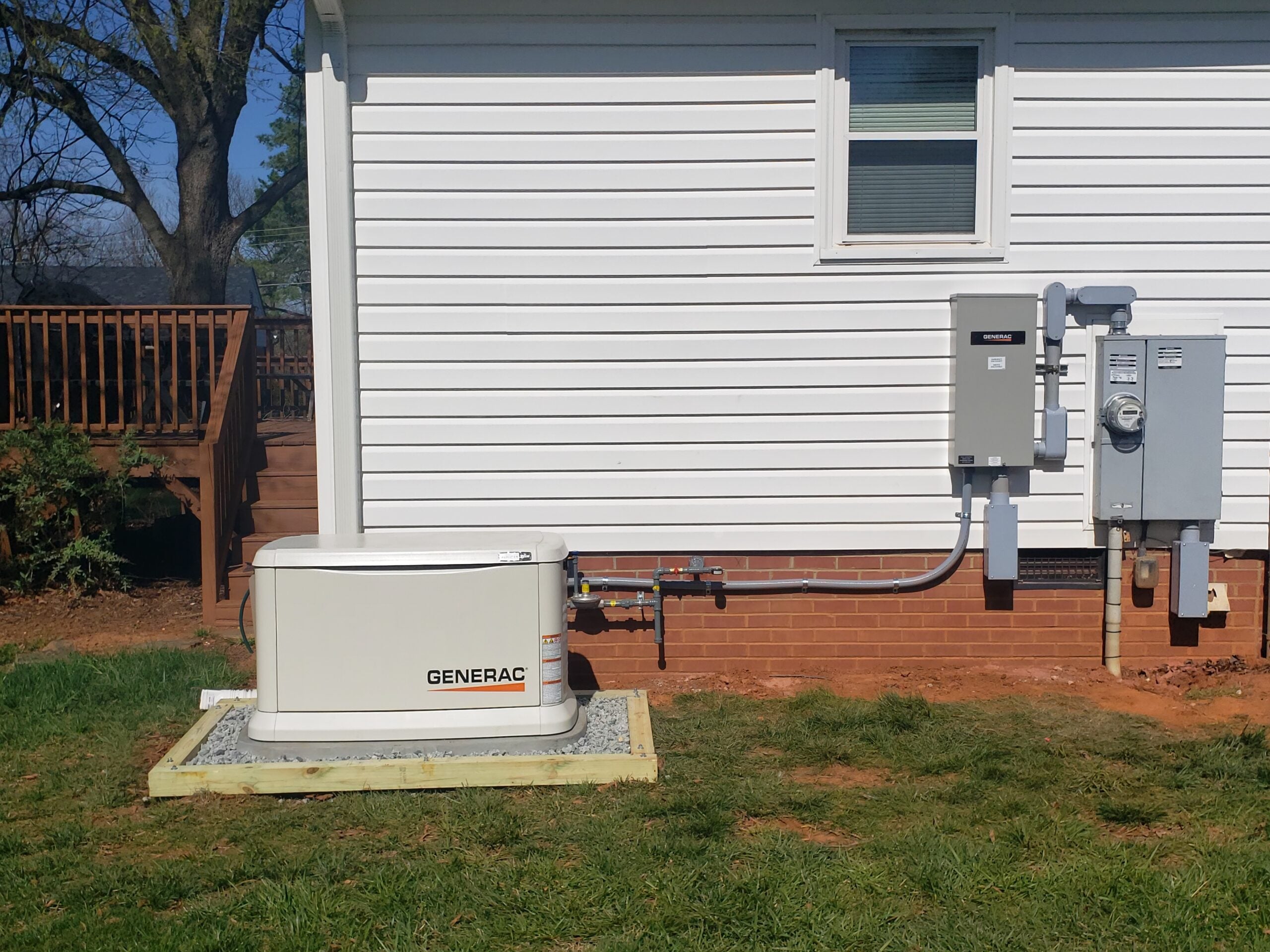
{"intro": "While some basic tasks are perfect for the handy homeowner, others carry significant risks and are best left to a licensed professional. Knowing the difference is key to maintaining your generator safely.", "items": ["**What you can do:** Regular visual inspections, keeping the unit clean and clear of debris, checking and topping off fluid levels like oil and coolant, and running the weekly self-test are all tasks most homeowners can handle.", "**When to call an expert like A licensed electrician:** For the annual comprehensive service and tune-up, it's wise to call a professional. Any work involving the transfer switch, which connects the generator to your home's electrical panel, must be done by a qualified electrician. Additionally, fuel system repairs, troubleshooting complex starting issues, and battery replacement and testing should be handled by an expert."]}
**Carbon Monoxide Safety: A Life-Saving Reminder.** A generator's engine produces deadly, odorless, and colorless carbon monoxide (CO) gas. Your generator must always be located outdoors on a stable surface, at least 10-15 feet away from windows, doors, and vents to your home. Never, under any circumstances, run a generator in a garage, basement, carport, or any enclosed or partially enclosed space. Ensure you have working CO detectors inside your home as a critical second line of defense.
Generator Challenges in Pittsburgh's Climate and Homes
Our unique Pittsburgh climate presents specific challenges for generator owners. The high humidity in the summer can accelerate corrosion and affect electrical components, while our freezing winters can be tough on batteries and engine oil. Furthermore, the beautiful older homes found in communities from Penn Hills to the South Side often have unique electrical systems that require an expert eye to ensure a generator is integrated safely and correctly. Fuel storage is another consideration; modern ethanol-blended gasoline can degrade quickly and gum up a fuel system. Using a high-quality fuel stabilizer is essential if your generator runs on gasoline.
Need Professional Help?
Keeping your generator in top condition is the best way to ensure your home and family are protected during the next power outage. While DIY checks are important, nothing replaces the peace of mind that comes with a professional inspection and service. If you want to ensure your generator is ready for anything, or if you're considering installing a new standby system, contact the experts at a licensed electrician. We proudly serve the greater Pittsburgh area, providing trusted generator maintenance, repair, and installation services to keep your lights on.