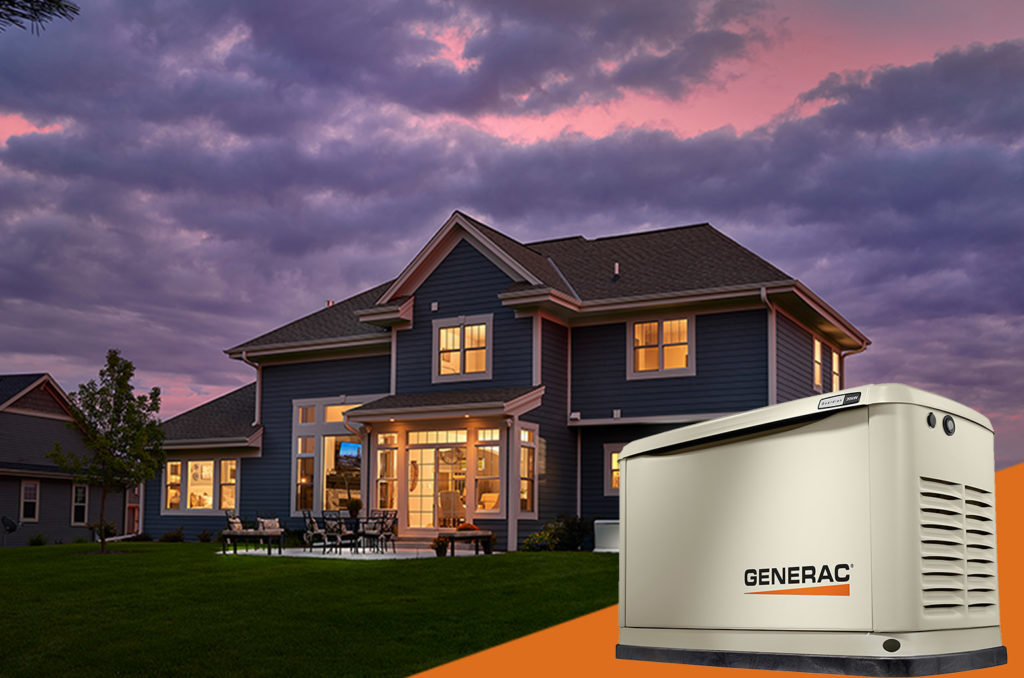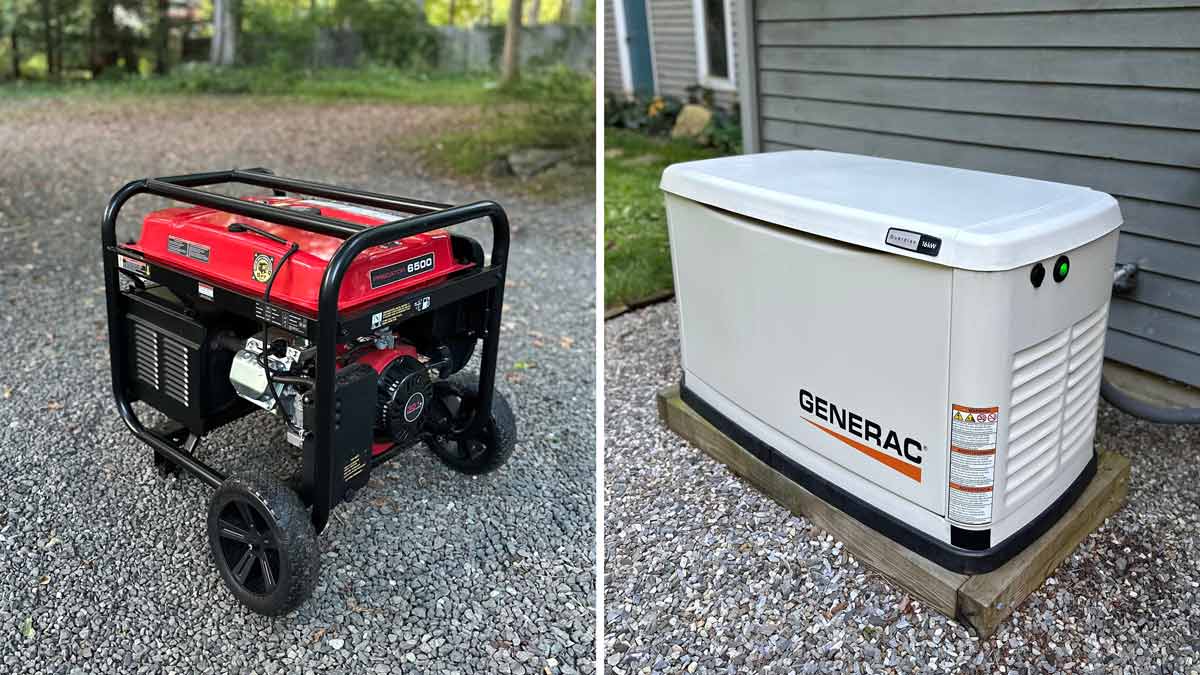
A standby generator can be a lifesaver during a power outage, especially with the unpredictable weather we sometimes see in Western Pennsylvania. However, one of the most common questions homeowners have is about where to place the generator and how to deal with the noise. Proper placement is not just about convenience; it’s a critical safety issue. This guide will walk you through the key considerations for generator placement and noise reduction to ensure your home is both safe and comfortable.
Safety First: Generator Placement Regulations
When installing a generator, safety is the top priority. The National Fire Protection Association (NFPA) has specific guidelines to prevent hazards like carbon monoxide poisoning and fire. These rules are not just suggestions; they are requirements that professional installers must follow. For homeowners in Allegheny County and surrounding areas, understanding these rules is crucial for a safe and compliant installation.
- **Distance from Openings:** The generator must be at least five feet away from any doors, windows, or other openings to prevent exhaust fumes from entering your home.
- **Clearance from Walls:** Maintain at least 18 inches of clearance between the generator and the walls of your house to allow for proper airflow and maintenance access.
- **Combustible Materials:** Keep the generator at least five feet away from any combustible materials, such as trees, shrubs, or wooden fences.
- **Above the Generator:** Ensure there is at least five feet of clearance above the generator to allow for proper ventilation.
Carbon monoxide (CO) from generator exhaust is colorless, odorless, and deadly. Never run a generator in an enclosed space, and always follow the clearance guidelines to keep your family safe.
Choosing the Right Location for Your Generator
Beyond the basic safety regulations, there are other factors to consider when choosing a location for your generator. You want a spot that is both practical and minimizes the impact on your daily life. For those living in neighborhoods like Murrysville or Plum, where houses might be closer together, being a good neighbor is also a key consideration.
- **Proximity to the Transfer Switch:** The generator should be located as close as possible to the transfer switch and electrical panel to minimize installation costs.
- **Accessibility for Maintenance:** Choose a location that is easily accessible for routine maintenance and refueling.
- **Local Ordinances:** Some communities, like Greensburg or Monroeville, may have specific ordinances regarding generator placement and noise levels. Always check with your local municipality before installation.
- **Aesthetics:** While not a safety issue, you may want to consider the visual impact of the generator on your home’s exterior. Landscaping can be used to help conceal the unit.
Taming the Noise: How to Quiet Your Generator
Let’s face it, generators can be loud. While modern units are quieter than older models, the noise can still be a nuisance, especially during an extended outage. Fortunately, there are several ways to reduce generator noise and keep the peace in your neighborhood, whether you’re in a dense community like South Side or a more spread-out area like Penn Hills.
- **Sound-Absorbing Enclosures:** Specially designed enclosures can significantly reduce generator noise. These are often made with sound-dampening materials and are a popular choice for homeowners.
- **Acoustic Barriers:** If an enclosure isn’t an option, an acoustic barrier or fence can be built to block and absorb sound waves.
- **Vibration-Dampening Pads:** Much of the noise from a generator comes from vibrations. Placing the unit on a vibration-dampening pad can help reduce this noise.
- **Strategic Landscaping:** Planting dense shrubs or trees around your generator can help absorb and deflect sound. This is a natural and aesthetically pleasing way to reduce noise.
Need Professional Help?
Proper generator placement and noise reduction are essential for a safe and comfortable home. If you have questions about installing a standby generator in the Pittsburgh area, the experts at a licensed electrician are here to help. A licensed electrician can assess your property, recommend the best location, and ensure your generator is installed safely and professionally. Contact a licensed electrician today for a consultation.