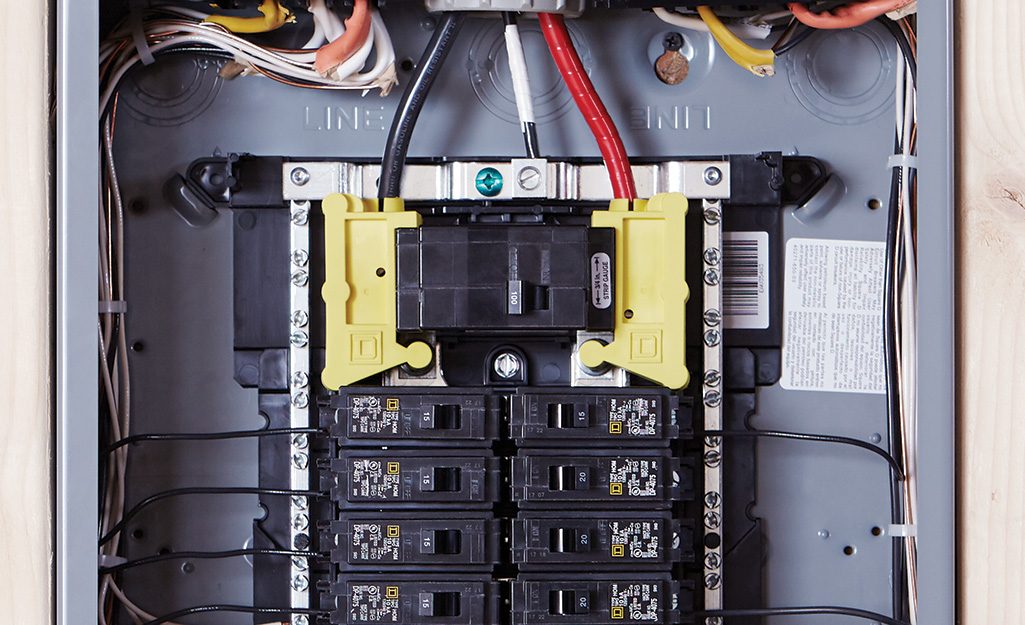
Your home's electrical panel is the heart of its electrical system, distributing power to every room. But what happens when this crucial component becomes a liability? For homeowners in Pittsburgh, especially those in historic neighborhoods like Squirrel Hill or Mt. Lebanon with older housing stock, an outdated or failing electrical panel can pose a significant safety risk. Understanding the warning signs is the first step toward protecting your home and family from potential electrical hazards.
Telltale Signs of a Dangerous Electrical Panel
An electrical panel rarely fails without warning. While some signs are obvious, others are subtle. Paying attention to your home's electrical behavior can help you catch problems early. Here are the most common indicators that your panel may be unsafe:
Key Warning Signs:
- Frequent Breaker Trips: Circuit breakers are designed to trip to prevent overloads. If this happens regularly, it often means your panel is struggling to keep up with your home's electrical demand.
- Flickering or Dimming Lights: When lights flicker as a large appliance like an air conditioner turns on, it can indicate a strained connection or an overloaded circuit within the panel.
- Strange Noises or Odors: A properly functioning panel should be silent. Any buzzing, crackling, or sizzling sounds are immediate red flags. Similarly, a persistent burning smell from the panel area requires urgent attention.
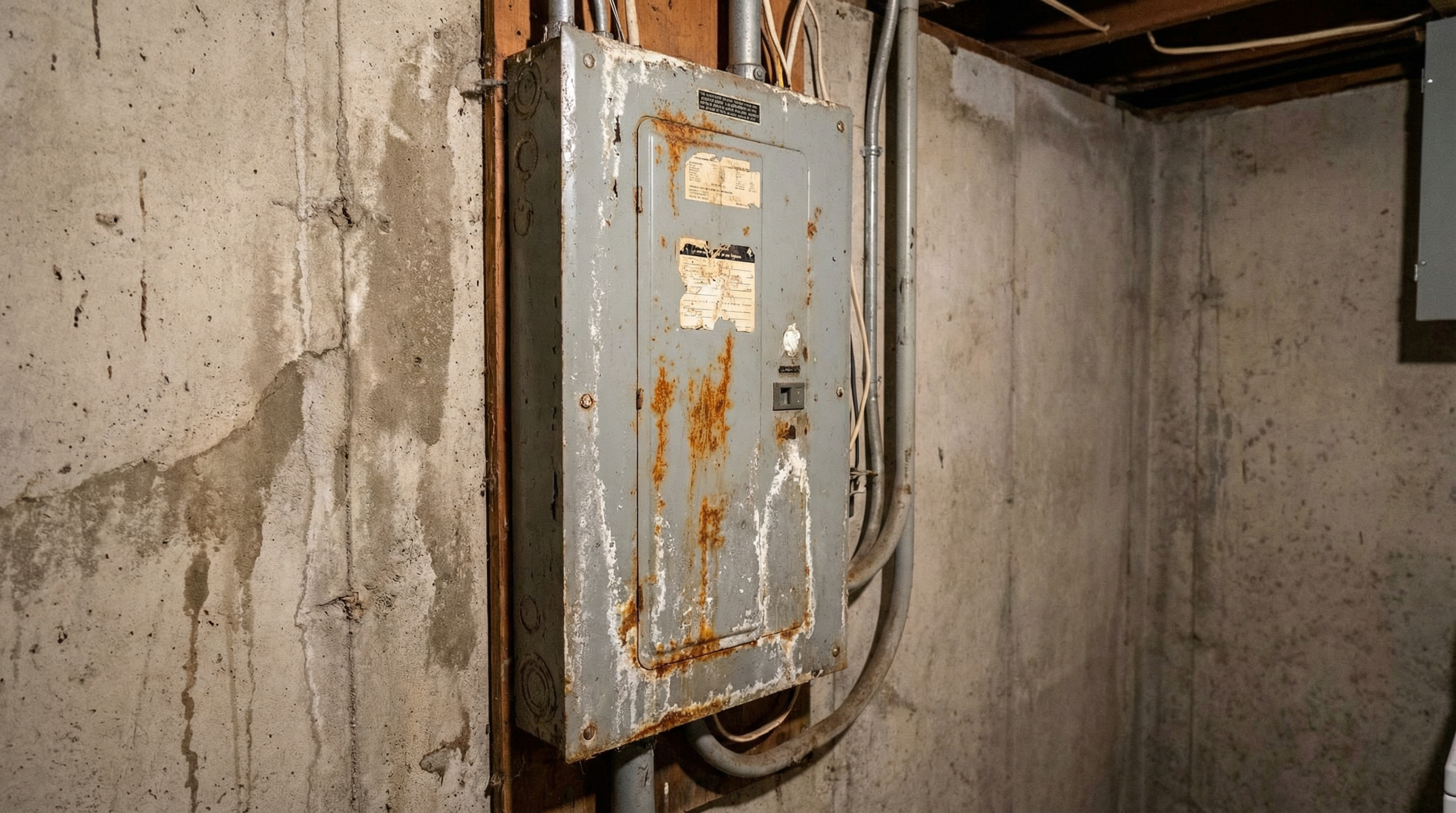
- Visible Rust or Corrosion: Water and electricity are a dangerous mix. Rust on the panel box or on the breakers themselves indicates moisture intrusion, which can lead to short circuits and deterioration.
- The Panel Feels Warm to the Touch: The exterior of your electrical panel should always be cool. Warmth indicates overheating, a serious fire hazard that could be caused by overloaded circuits or loose connections.
Notorious Brands: Is Your Panel on the Recall List?
Over the years, certain brands of electrical panels have been identified as having significant design flaws that make them inherently unsafe. Two of the most notorious are Federal Pacific Electric (FPE) Stab-Lok panels and Zinsco (or GTE-Sylvania) panels. These were commonly installed in homes built between the 1950s and 1980s. If you find one of these in your South Side or Lawrenceville home, replacement should be a top priority.
Why These Panels Are Dangerous:
- Federal Pacific Stab-Lok: These panels are infamous for having breakers that fail to trip during an overload or short circuit. This failure can lead to wires overheating, creating a severe fire risk. It's estimated that these panels may be responsible for thousands of fires annually.
- Zinsco/GTE-Sylvania: Zinsco panels have a design flaw where the breakers can melt to the main bus bar, preventing them from tripping. This means that even if you flip the breaker to the ‘off’ position, power may still be flowing through the circuit.
Safety Warning: Never attempt to open or inspect the inside of your electrical panel yourself. The internal components carry a lethal voltage. Always hire a qualified, licensed electrician for any panel inspections or repairs.
When to Upgrade Your Electrical Panel
Beyond immediate safety concerns, there are practical reasons to consider a panel upgrade. Many older homes in Western Pennsylvania were built when household electrical loads were much lower. A 60-amp or 100-amp panel, once standard, is often insufficient for a modern home with central air, an EV charger, and numerous electronic devices. An upgrade to a 200-amp panel not only enhances safety but also ensures your electrical system can support your lifestyle now and in the future. Any major renovation or addition will likely require a panel upgrade to comply with current Pennsylvania electrical codes and pass an Allegheny County inspection.
Finding a Qualified Electrician in Pittsburgh
When dealing with your home's electrical system, the expertise of a licensed and insured electrician is non-negotiable. A professional will not only identify any existing hazards but also ensure that any new installation is done safely and up to code, working with local utilities like Duquesne Light for a seamless and safe upgrade.