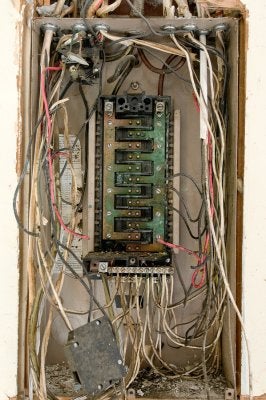
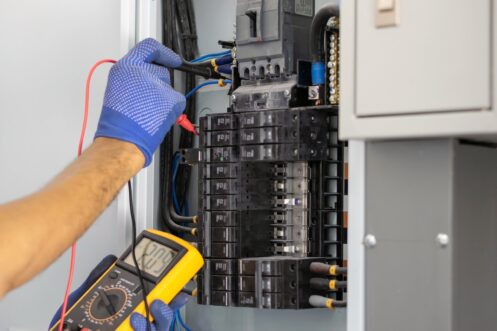
Upgrading your home's electrical panel is a significant investment in safety and functionality. For many homeowners in Western Pennsylvania, especially those in older houses in neighborhoods like Squirrel Hill or Murrysville, a panel upgrade is necessary to support modern appliances, an EV charger, or a new home addition. But before you begin, it's crucial to understand the permit requirements. Navigating the world of permits can feel confusing, but this guide will walk you through everything you need to know about electrical panel upgrade permits in Pennsylvania.
Do You Always Need a Permit for a Panel Upgrade?
In almost all cases, the answer is yes. In Pennsylvania, any work that involves altering your home's electrical system, including replacing or upgrading the main service panel, requires a permit. This isn't just bureaucratic red tape; it's a critical safety measure. The permit process ensures that the work is performed by a qualified electrician and inspected to meet the standards of the National Electrical Code (NEC). This protects you, your family, and your property from the dangers of faulty electrical work.
Whether you live in Allegheny County, Westmoreland County, or a smaller community like Lower Burrell or Greensburg, the permit requirement is standard. While some minor electrical repairs might be exempt, a full panel upgrade is a major project that always falls under the jurisdiction of your local building department. Attempting to bypass this process can lead to significant fines, trouble selling your home, and, most importantly, a dangerous electrical system.
The Permit Process: A Step-by-Step Guide for Homeowners
- Hiring a Licensed Electrician: The first and most important step is to hire a qualified, licensed, and insured electrician. They will be familiar with the specific requirements in your municipality, whether it's Pittsburgh, Monroeville, or Penn Hills.
- Application Submission: Your electrician will complete and submit the permit application to your local municipal building department. This application details the scope of work, including the new panel's amperage and the reason for the upgrade.
- Plan Review: In some cases, the building department may need to review the electrical plan to ensure it complies with local codes. This is more common for extensive renovations or new construction.
- Permit Issuance: Once the application is approved, the municipality will issue the electrical permit, and the work can begin.
- Inspections: After the new panel is installed, one or more inspections will be required. An inspector from an approved third-party agency will visit your home to verify that the work was done correctly and safely. They will check things like wiring connections, grounding, and breaker labeling.
- Final Approval: Once the inspection is passed, the project is officially closed out. You will have peace of mind knowing your new electrical panel is safe, compliant, and properly documented.
Why Inspections Are So Important
The inspection is arguably the most critical part of the permit process. It provides an independent verification that the work meets all safety standards. This is especially important in a region with a mix of housing ages, from historic homes in Shadyside to newer constructions in Plum. An inspector can identify potential issues that even a good electrician might overlook, ensuring the long-term safety and reliability of your electrical system. Without a passed inspection, your permit is incomplete, and your project is not officially approved.
A Word of Caution: Never hire an electrician who suggests skipping the permit process to save money. This is a major red flag and could expose you to significant risks. An unpermitted, uninspected panel upgrade can void your homeowner's insurance and create a serious fire hazard.
What to Expect with Your Panel Upgrade
A typical panel upgrade project takes a full day to complete. During this time, the power to your home will be shut off. Your electrician will carefully remove the old panel, install the new one, and connect all the circuits. They will also ensure your system is properly grounded and bonded, which is a critical safety feature often lacking in older homes. Once the work is done and the power is restored, they will label the new breakers clearly so you can easily identify each circuit.
Need Professional Help?
If you're considering a panel upgrade for your home in the greater Pittsburgh area, it's essential to work with a trusted and experienced electrical contractor. we handle the entire permit and inspection process for you, ensuring your project is completed safely and to the highest standards. Contact a licensed electrician today for a consultation to discuss your home's electrical needs and get a clear, upfront estimate for your panel upgrade project.