So, you’re thinking about buying an electric vehicle (EV). It’s an exciting step towards a greener future and freedom from the gas pump. But before you bring home that shiny new car, there’s a critical question every homeowner in the Pittsburgh area needs to ask: can my home’s electrical system actually handle an EV charger? Many of the charming, older homes in neighborhoods like Squirrel Hill, Shadyside, and throughout Allegheny County were built long before electric cars were a consideration. This guide, from your local experts at the Pittsburgh Electrical Knowledge Center, will walk you through what you need to know.
Why Your Electrical Panel is the Heart of the Matter
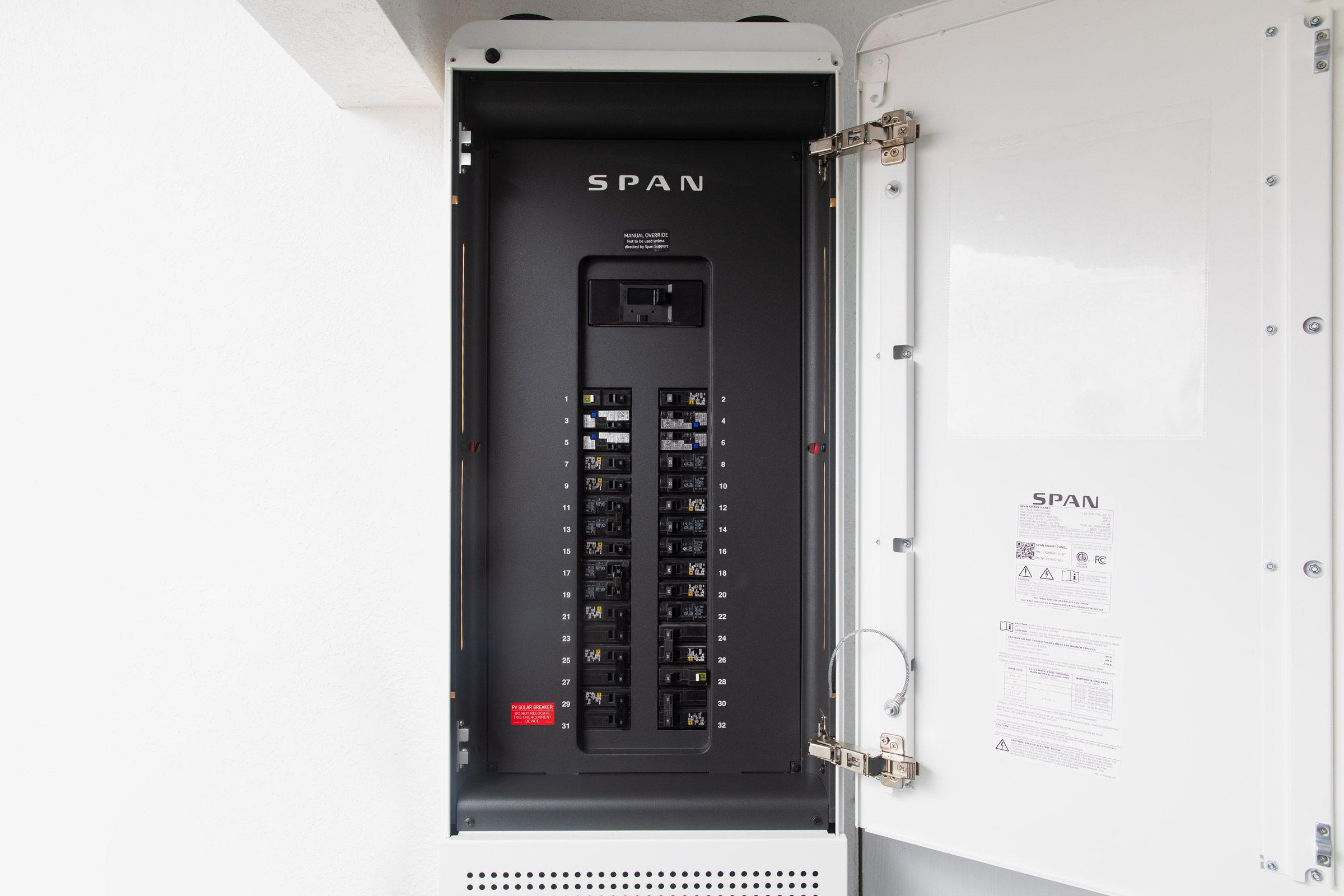
Think of your electrical panel (also known as a breaker box or fuse box) as the heart of your home’s electrical system. It receives power from the utility and distributes it to all the circuits in your house—from your lights and outlets to your major appliances. An EV charger is a high-powered appliance that puts a significant and sustained demand on this system. If your panel is outdated or already at capacity, adding a charger without proper assessment can lead to overloaded circuits, frequently tripped breakers, and even a serious fire hazard.
In many Pittsburgh homes, especially those built before the 1980s, we often find panels with only 60 or 100 amps of service. While this was sufficient for the time, a modern household with a central air conditioner, electric stove, and now an EV charger, requires more power. A Level 2 charger, which is the most common type for home installation, typically requires a dedicated 240-volt circuit with a 40-amp or 50-amp breaker. This alone can consume a large portion of an older panel’s total capacity.
How to Check Your Electrical Panel's Capacity
- **Find Your Panel:** It’s usually in the basement, garage, or a utility closet.
- **Look for the Main Breaker:** At the top or bottom of the panel, there should be a large breaker that’s separate from the others. This is the main breaker, and it will have a number on it, such as 100, 150, or 200. This number is your home's total amperage.
- **Count Your Open Slots:** Look for empty spaces where new breakers could be installed. If you don’t see any, your panel is physically full. However, just because you have open slots doesn’t mean you have enough electrical capacity.
**Safety First:** If your panel looks rusted, makes crackling noises, or has a burning smell, do not touch it. Call a qualified electrician immediately. These are signs of a dangerous and failing electrical panel.
Understanding the Electrical Load Calculation
Simply having a 150-amp or 200-amp panel doesn’t automatically mean you’re ready for an EV charger. A licensed electrician must perform a “load calculation” to determine your home’s actual electrical usage. This calculation, which is required by the National Electrical Code (NEC), adds up the power demands of all your existing appliances and lighting. It accounts for things like your furnace, air conditioner, water heater, oven, and other major loads. The result tells us how much capacity is safely available for a new circuit.
For example, a home in Murrysville with a 150-amp panel might seem sufficient. But if it has an electric furnace and a hot tub, the load calculation might show that there isn’t enough spare capacity to safely add a 50-amp EV charger. In this scenario, attempting to install one anyway would create a significant risk of overloading the system.
What if My Panel Isn’t Ready? Your Options
- **Panel Upgrade:** This involves replacing your old, undersized panel with a new one, typically 200 amps. A 200-amp service is the modern standard and provides ample power for most homes, including the addition of an EV charger. This is the most robust, long-term solution.
- **Subpanel Installation:** If your main panel is physically full but has enough electrical capacity, an electrician might be able to install a subpanel. This smaller, secondary panel is fed from the main panel and provides additional circuit spaces.
- **Load Management System:** In some cases, a smart load management system can be installed. These devices monitor your home’s total energy use and will temporarily pause EV charging if the load gets too high (for example, when your air conditioner kicks on), preventing an overload. They resume charging once the demand decreases.
The Importance of a Professional Installation
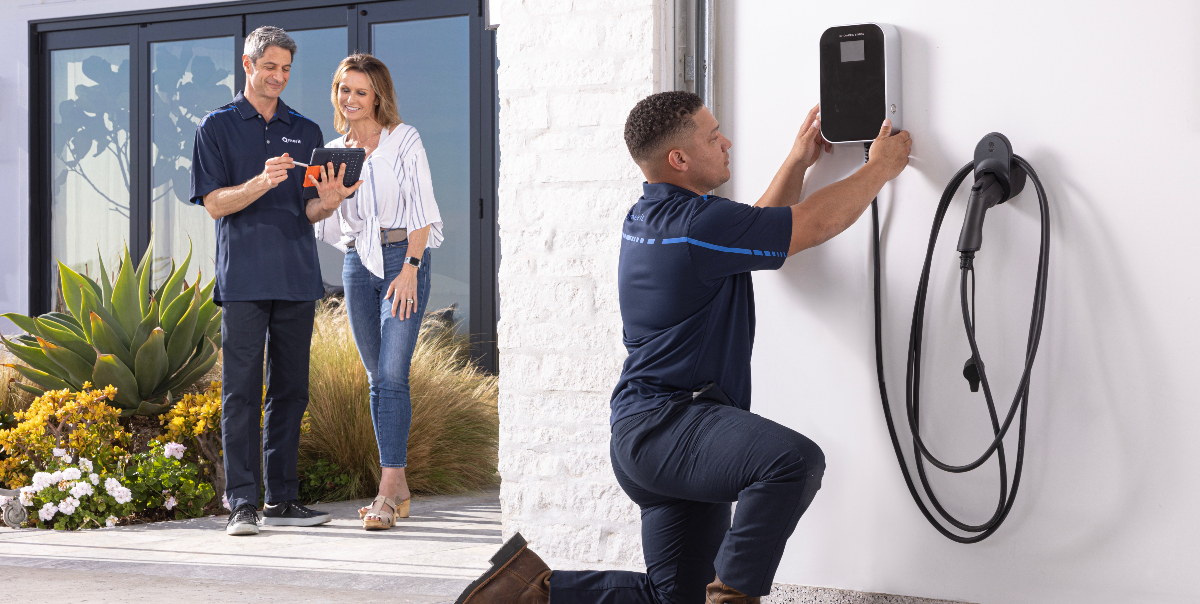
Installing an EV charger is not a DIY project. It involves working with high voltages and requires a deep understanding of electrical codes and safety standards. A licensed and insured electrician will ensure the installation is done correctly, from running the proper gauge wire to installing the correct breaker and ensuring everything is properly grounded. In communities from Lower Burrell to Greensburg, a permit is often required for this type of work, and a professional electrician will handle that process for you.
In Pittsburgh or the Surrounding Areas?
Planning for an electric vehicle is an exciting time. Ensuring your home is ready is a critical step in that journey. If you’re a homeowner in Westmoreland County, Allegheny County, or anywhere in the greater Pittsburgh area and have questions about your electrical system’s readiness for an EV charger, contact a licensed electrician. Licensed electricians specialize in electrical panel upgrades and safe, professional EV charger installations, ensuring your home is ready for the future of transportation.
Get a Free Quote