Bringing a Tesla home is an exciting experience, but one of the first questions new owners in the Pittsburgh area ask is: What’s the best way to charge it? While you can technically use a standard wall outlet, a dedicated Tesla Wall Connector is the gold standard for fast, safe, and convenient home charging. This guide will walk you through everything you need to know about installing a Tesla charger in your Western Pennsylvania home, from understanding the electrical requirements to choosing a qualified electrician.
Why Install a Dedicated Tesla Charger?
A dedicated 240-volt circuit for your Tesla charger offers significant advantages over a standard 120-volt outlet. The most obvious benefit is charging speed. A Tesla Wall Connector can add up to 44 miles of range per hour, meaning your car will be fully charged overnight. In contrast, a standard outlet might only provide 3-5 miles of range per hour, which is often insufficient for daily driving needs, especially if you have a longer commute from a community like Murrysville or Greensburg into the city.
Beyond speed, a dedicated circuit is also safer. EV chargers draw a significant amount of power for extended periods, and a dedicated circuit installed by a professional ensures your home’s electrical system can handle the load without overheating or causing other hazards. It’s a permanent, reliable solution that adds value to your home and provides peace of mind.
Understanding Your Tesla Charging Options
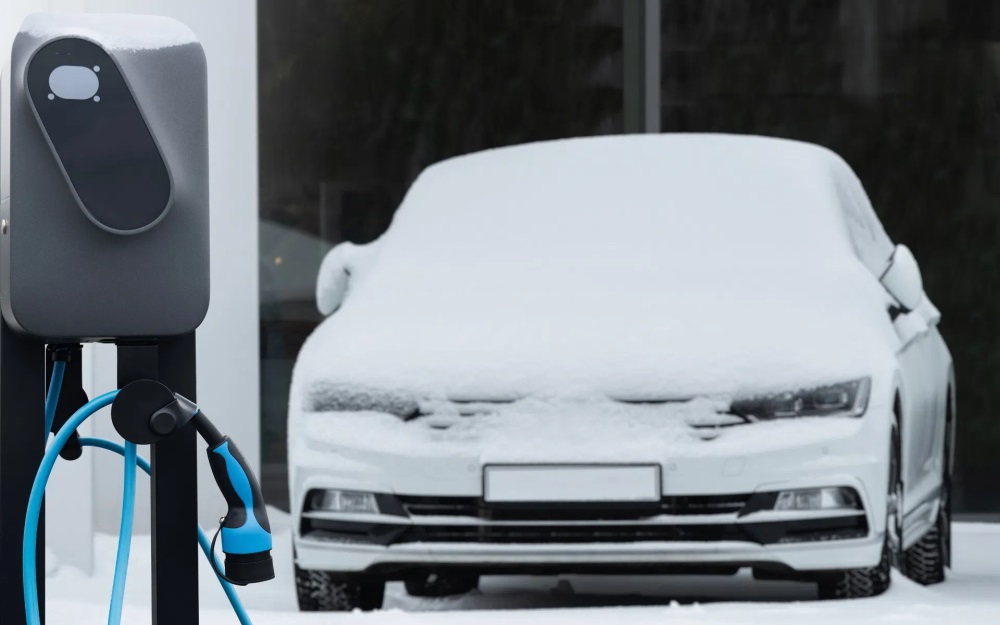
- **Wall Connector:** This is Tesla’s premier home charging solution. It’s a sleek, wall-mounted unit that provides the fastest charging speeds. It’s designed for indoor or outdoor installation and is the most common choice for homeowners in Allegheny and Westmoreland counties.
- **Mobile Connector:** This comes standard with most Tesla vehicles and can be plugged into a standard 120-volt outlet or a 240-volt outlet with an adapter. While versatile, it offers slower charging speeds than the Wall Connector and is better suited as a backup or travel option.
- **NEMA 14-50 Outlet:** Before the Wall Connector became ubiquitous, installing a 240-volt NEMA 14-50 outlet (similar to an electric dryer outlet) was a common practice. You can use the Mobile Connector with an adapter for this setup. It provides good charging speeds but lacks the convenience and integrated features of the Wall Connector.
Key Electrical Considerations for Your Pittsburgh Home
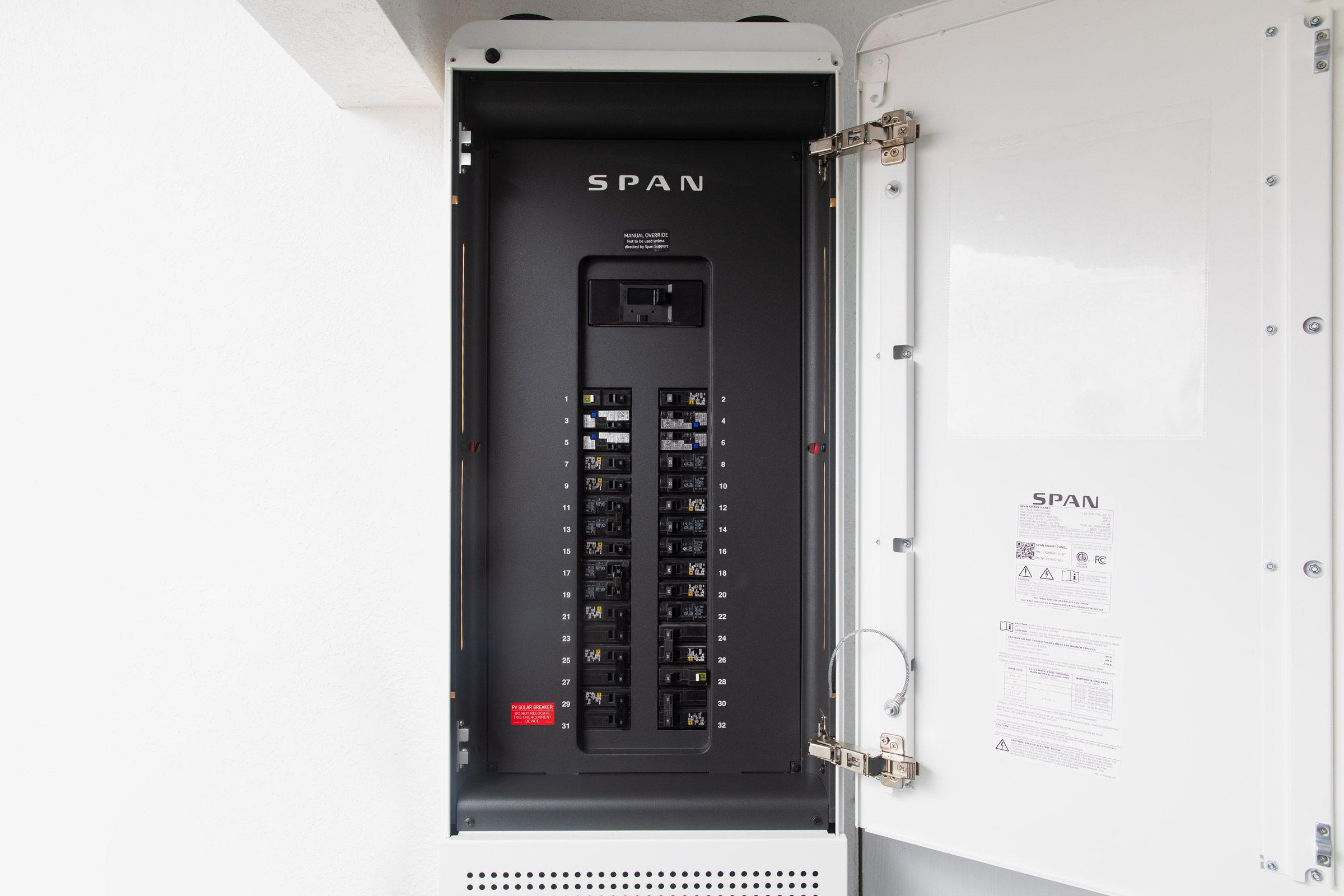
Many homes in the Pittsburgh area, especially older ones in neighborhoods like Squirrel Hill or Shadyside, have electrical systems that weren’t designed for the demands of modern technology like electric vehicles. Before you can install a Tesla charger, a qualified electrician will need to assess your home’s electrical panel. The key factor is whether your panel has enough capacity to support a new, dedicated 240-volt circuit. A 50-amp or 60-amp circuit is typically required for a Tesla Wall Connector.
If your panel is already full or lacks the necessary capacity, you may need a panel upgrade. This is a common scenario in older homes and involves replacing your existing breaker box with a new one that has a higher amperage rating (e.g., upgrading from 100 amps to 200 amps). While it’s an additional investment, a panel upgrade not only allows for your EV charger but also future-proofs your home for other electrical needs, such as a new air conditioner or a home addition.
The Installation Process: What to Expect
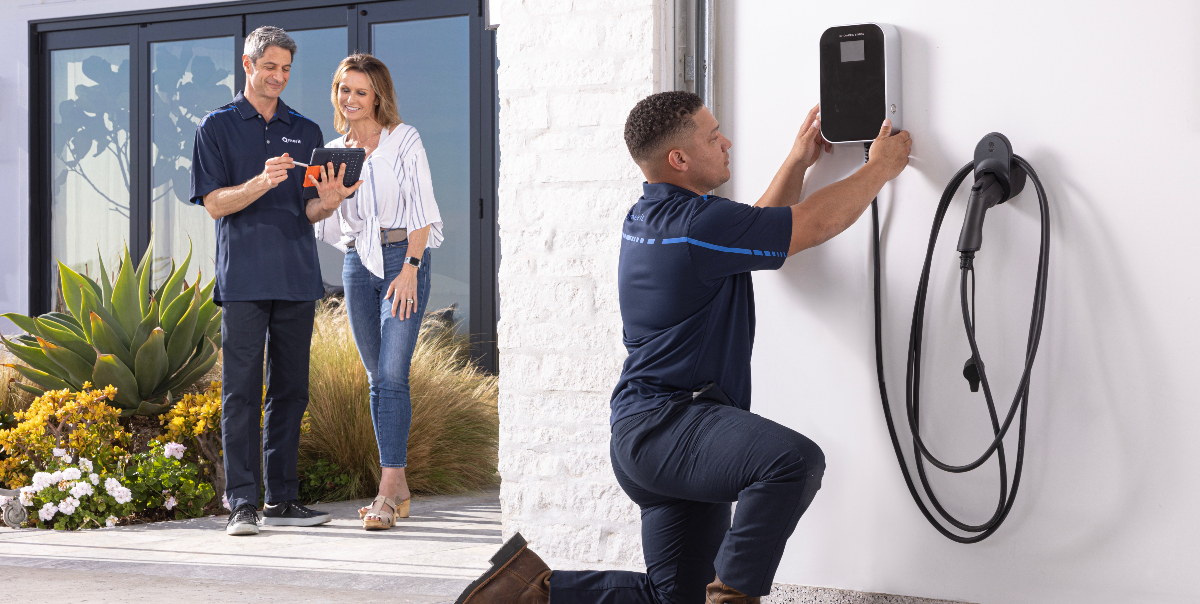
- **Consultation:** An electrician will visit your home to assess your electrical panel, discuss your charging needs, and determine the best location for the charger. They will provide you with a detailed quote for the project.
- **Permitting:** In many municipalities in Allegheny County, a permit is required for this type of electrical work. Your electrician should handle the permitting process to ensure everything is done to code.
- **Installation:** On the day of installation, the electrician will run a new circuit from your panel to the desired charger location. They will install the charger, connect the wiring, and install a new breaker in your panel.
- **Inspection:** After the installation is complete, a municipal inspector will typically need to approve the work. This is a crucial step to ensure the installation is safe and code-compliant.
- **Testing:** The electrician will test the charger to make sure it’s working correctly and show you how to use it.
Safety First: Why Professional Installation is Non-Negotiable. A Tesla charger is a high-power device, and improper installation can lead to serious safety risks, including electrical fires. Always hire a licensed and insured electrician who has experience with EV charger installations. This is not a DIY project.
Need Professional Help?
If you’re ready to enjoy the convenience of fast, reliable home charging for your Tesla, the team at a licensed electrician is here to help. Licensed electricians specialize in EV charger installations and electrical panel upgrades for homeowners throughout the Pittsburgh area, from Plum and Penn Hills to the South Side. Contact a licensed electrician today for a free consultation, and we’ll ensure your home is ready for the electric future.