When planning a renovation or simply evaluating your home's electrical layout, you might wonder why outlets are placed where they are. It's not arbitrary; their placement is governed by the National Electrical Code (NEC) to ensure safety and convenience. For homeowners in Pittsburgh, understanding these rules is key to a functional and code-compliant home, preventing the overuse of hazardous extension cords.
The General Rule for Walls: The 6/12 Foot Rule
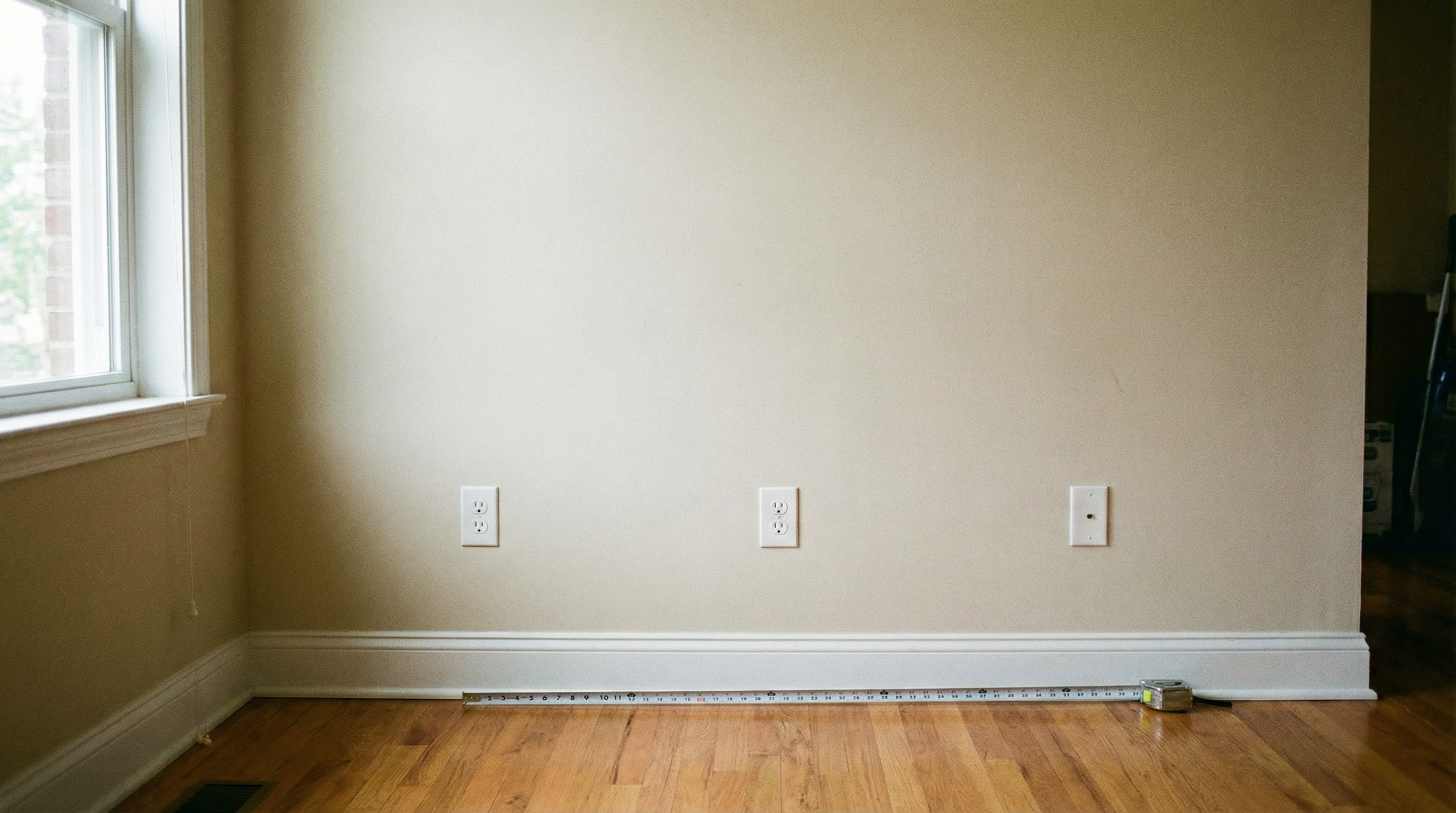
For most general living areas like living rooms, bedrooms, and dining rooms, the NEC has a straightforward rule. No point along a wall space can be more than 6 feet from a receptacle outlet. This means you should never need more than a 6-foot cord to reach an outlet. In practice, this results in an outlet being required at least every 12 feet along a wall. Any wall section that is 2 feet wide or more must have an outlet.
This rule applies to:
- Living rooms and family rooms
- Bedrooms
- Dining rooms and breakfast nooks
- Home offices and dens
Kitchen Countertop Receptacle Rules
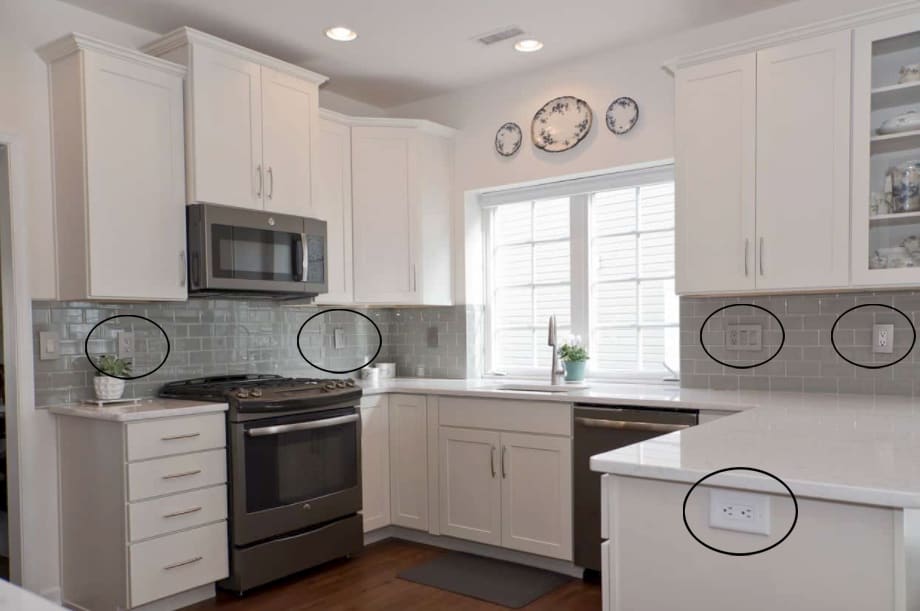
Kitchens have more specific and stringent requirements due to the high concentration of appliances. All outlets serving countertop surfaces must be protected by a ground-fault circuit-interrupter (GFCI). The rule here is that no point along the wall line of a countertop should be more than 24 inches from an outlet. This effectively means you need an outlet at least every 4 feet along the kitchen counter.
Key considerations for kitchen outlets include:
- Any countertop space 12 inches or wider must have an outlet.
- Islands and peninsulas require at least one outlet for the first 9 square feet and an additional outlet for every 18 square feet thereafter.
- Receptacles cannot be mounted face-up in countertops.
- Outlets must be readily accessible and not located more than 20 inches above the countertop surface.
Bathroom and Hallway Requirements
Bathrooms also have unique rules. The NEC requires at least one 20-amp circuit for the bathroom receptacles. At least one receptacle must be located within 3 feet of the outside edge of each sink basin. Like kitchens, all bathroom receptacles must have GFCI protection. For hallways in your home, a receptacle is required if the hallway is 10 feet long or more. This is a practical rule often overlooked in older homes in neighborhoods like Shadyside or Squirrel Hill.
Electrical work is not a DIY project. Always hire a licensed and insured electrician in Western Pennsylvania to ensure all work is up to code and safe. Incorrect wiring is a major fire hazard.
Local Compliance in Allegheny County
While the NEC provides the national standard, local jurisdictions can have amendments. In Allegheny County, all electrical work must be performed by a licensed electrician and may require a permit and inspection. This ensures that whether you're updating an old Victorian in the South Side or building a new home, the electrical system is safe and meets all current Pennsylvania codes.