As a homeowner in Pittsburgh, you rely on your electrical system every day. But have you ever stopped to think about the number of circuits running through your walls? It’s a critical question. An inadequate number of circuits isn’t just inconvenient; it can be a serious safety hazard. Understanding your home's electrical needs is the first step toward ensuring your system is robust, safe, and ready for modern demands.
What Exactly is an Electrical Circuit?
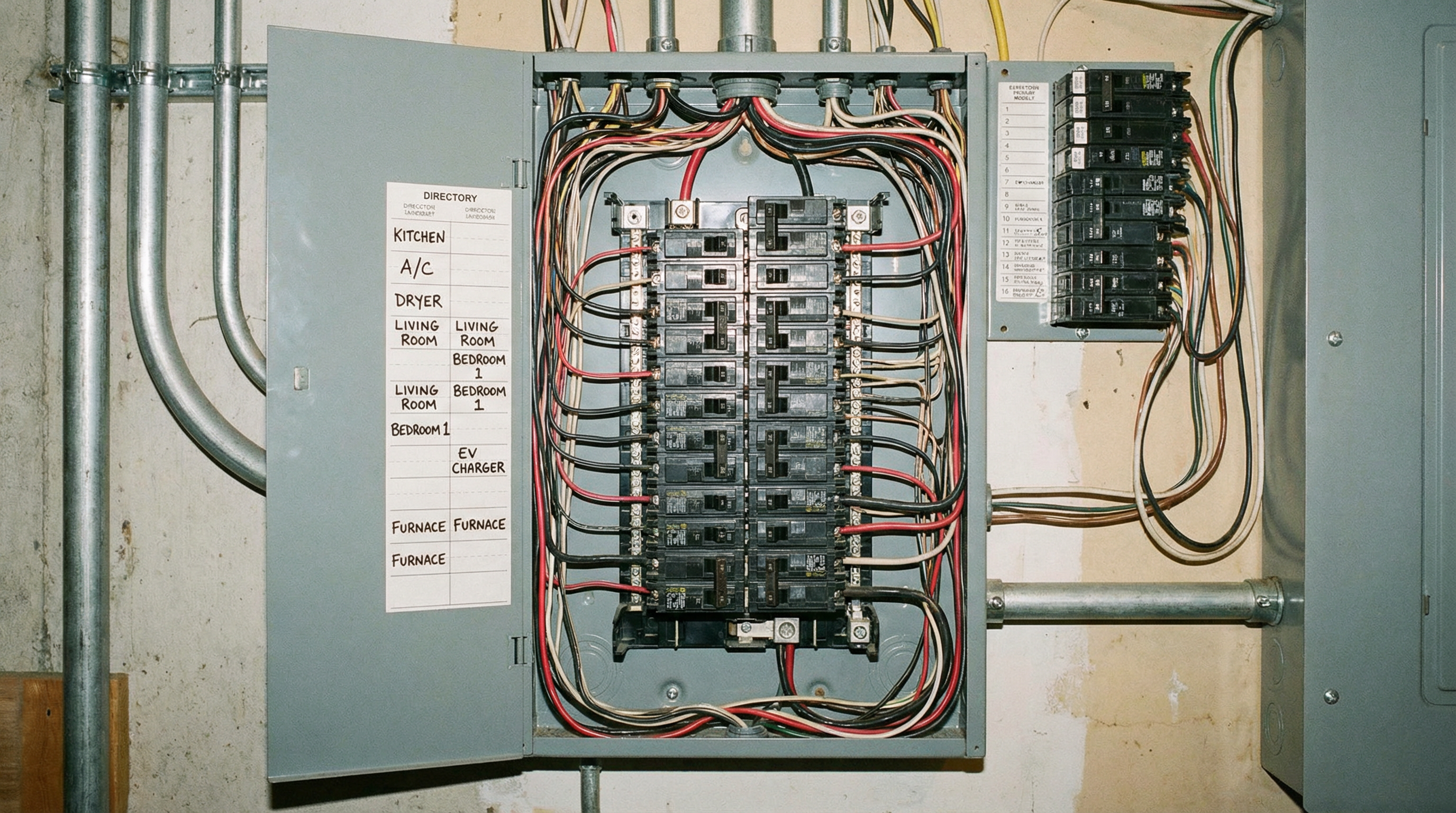
Think of a circuit as a dedicated lane on a highway for your electricity. Each circuit is a closed loop of wiring that runs from your main electrical panel, delivers power to a specific area or appliance, and then returns. It's protected by a circuit breaker or fuse that automatically shuts off power if it detects an overload or a fault, preventing overheating and potential fires. A modern home in areas like Squirrel Hill or Mt. Lebanon will have numerous circuits, each serving a different purpose.
NEC Minimum Requirements for a Dwelling
The National Electrical Code (NEC) sets the minimum safety standards for residential wiring in the United States, which are adopted throughout Pennsylvania. While the code doesn't specify an exact number of circuits for an entire house based on size alone, it does mandate a minimum number of circuits for specific areas to handle expected electrical loads.
The NEC requires at least the following circuits in any home:
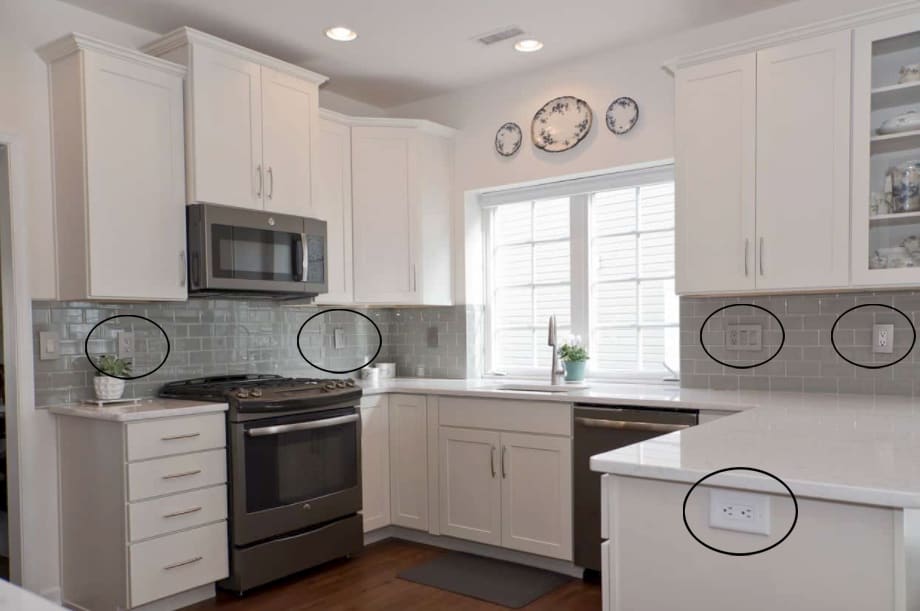
- **Small Appliance Circuits:** At least two 20-amp, 120-volt circuits are required to power receptacles in the kitchen, pantry, and dining areas. These are for small appliances like toasters, blenders, and coffee makers.
- **Laundry Circuit:** At least one 20-amp, 120-volt circuit must be dedicated to the laundry room for the washing machine.
- **Bathroom Circuit:** At least one 20-amp, 120-volt circuit is required for the bathroom outlets. If there are multiple bathrooms, this circuit can be shared, provided it only powers outlets and not lighting.
- **General Lighting and Receptacle Circuits:** The NEC uses a formula based on square footage to determine the minimum number of general-purpose circuits. A common rule of thumb is one 15-amp circuit for every 600 square feet of living space, or one 20-amp circuit for every 800 square feet.
Dedicated Circuits for Major Appliances
Beyond the minimums, many large appliances require their own dedicated circuit to handle their significant power draw. This ensures they operate safely without tripping breakers. You'll need a licensed electrician to install these, and they often require permits from Allegheny County. These are not suggestions; they are requirements for safety and functionality.
Common appliances that need a dedicated circuit include:
- Electric Range or Cooktop (typically a 50-amp, 240-volt circuit)
- Electric Dryer (typically a 30-amp, 240-volt circuit)
- Central Air Conditioner or Heat Pump (varies by unit size, often 30-60 amps)
- Electric Water Heater (typically a 30-amp, 240-volt circuit)
- Dishwasher and Garbage Disposal (often share a 20-amp circuit)
- Microwave (a dedicated 20-amp circuit is recommended)
- Sump Pump
Safety Warning: Never overload a circuit by plugging too many high-power devices into it. Signs of an overloaded circuit include frequently tripped breakers, flickering lights, and warm or discolored outlet covers. If you notice these signs, contact a qualified electrician immediately.
Planning for Future Electrical Needs
The NEC provides a baseline, but a modern home’s needs often exceed it. Consider the rise of home offices, entertainment systems, and electric vehicles. When planning a renovation or building a new home in Western Pennsylvania, it’s wise to install more circuits than the minimum required. This practice, common in new builds in neighborhoods like Lawrenceville, provides flexibility and ensures your home is ready for future technology. Adding a 240-volt circuit for an EV charger in the garage is now a frequent request, and it’s much more cost-effective to do it during construction.
How Many Circuits Does a Typical Pittsburgh Home Have?
The number varies greatly with the age and size of the home. An older row house in the South Side might have an original panel with only 6-8 circuits, which is critically insufficient for modern life. A newer, medium-sized suburban home in a place like Mt. Lebanon might have a 200-amp panel with 20 to 40 circuits. The key is not just the number, but whether the distribution is logical and can handle the load without strain. Duquesne Light, our local utility, provides the power, but it's your home's wiring that needs to manage it safely.