
As a parent, your child’s safety is your top priority. You’ve baby-proofed the cabinets, installed safety gates, and covered sharp corners. But what about the hidden dangers lurking behind your walls? Electrical hazards are a serious concern in any home, but they pose a unique risk in the Pittsburgh area, where many of us live in beautiful, older houses. From Monroeville to Murrysville, our region’s charming architecture often comes with outdated electrical systems that weren’t designed for the demands of modern life. For families with curious toddlers and young children, understanding these risks is the first step toward creating a truly safe environment.
Why Electrical Safety is a Unique Challenge in Our Homes
Many homes in Allegheny and Westmoreland counties, particularly in neighborhoods like Squirrel Hill, Shadyside, and Penn Hills, were built decades ago. While these homes have character, their electrical systems often feature knob-and-tube wiring or early Romex-type wiring that can become brittle and unsafe over time. These older systems lack the grounding and safety features of modern wiring, and they are often unequipped to handle the sheer number of appliances and electronics we use today. This can lead to overloaded circuits, increased fire risk, and other dangers that are especially concerning when you have little ones exploring every nook and cranny of your home.
The Ground-Level Dangers: Outlets and Power Cords
For a crawling baby or a curious toddler, an electrical outlet is an irresistible mystery. These ground-level dangers are one of the most common causes of electrical injuries in young children. A child’s small fingers or a toy they’re holding can easily fit into an unprotected outlet, leading to a serious electrical shock. Similarly, power cords can be a strangulation hazard or, if chewed on, can expose live wires. It’s crucial to address these immediate dangers with a multi-layered approach.
- **Install Tamper-Resistant Receptacles (TRRs):** These modern outlets have a built-in shutter system that prevents a child from inserting an object into a single slot. They are now required by the National Electrical Code in all new and renovated homes and are the most effective way to childproof your outlets. Upgrading your home in Lower Burrell or Greensburg with TRRs is a simple, powerful safety measure.
- **Use Sliding Outlet Covers:** If you’re not ready to upgrade all your outlets, sliding covers are a great alternative to the small, plastic plugs that can be a choking hazard themselves. These covers slide to the side to allow access and automatically cover the outlet when the plug is removed.
- **Inspect Cords Regularly:** Check all power cords for signs of fraying, cracking, or damage. A damaged cord can expose live wires, creating a shock and fire hazard. Replace any damaged cords immediately.
- **Don’t Overload Power Strips:** Power strips are convenient, but they are not a long-term solution for a lack of outlets. Overloading a power strip can cause it to overheat and start a fire. If you find yourself relying on multiple power strips, it’s a sign that you may need to have a licensed electrician install additional outlets.
- **Keep Cords Out of Sight and Reach:** Tuck cords behind furniture or use cord-management solutions to keep them away from high-traffic areas and out of your child’s reach. This not only prevents tripping and pulling but also reduces the temptation for a child to play with them.
Related Reading
Kitchen and Bathroom: Water and Electricity Don’t Mix
The kitchen and bathroom are high-risk areas for electrical accidents because of the close proximity of water and electricity. Water is an excellent conductor of electricity, and even a small amount can create a dangerous path for an electrical current to travel through the body. From a dropped hair dryer in the sink to a spilled drink near a countertop appliance, the potential for a serious accident is always present. This is why modern electrical codes have specific requirements for these rooms.
- **Install Ground Fault Circuit Interrupter (GFCI) Outlets:** GFCIs are a must-have in any area where water is present. These smart outlets monitor the flow of electricity and will instantly shut off the power if they detect an imbalance, such as the current flowing through water or a person. They are designed to protect against severe electrical shock and are a critical safety feature for any family home, whether in the South Side of Pittsburgh or a newer build in Plum.
- **Keep Appliances Away from Water:** Make it a household rule to keep all electrical appliances, such as hair dryers, curling irons, and kitchen gadgets, away from sinks, bathtubs, and any other water source. Teach your older children to do the same.
- **Unplug Small Appliances When Not in Use:** Don’t just turn them off; unplug them. This eliminates the risk of an appliance being accidentally knocked into water or a child turning it on. It’s a simple habit that can prevent a tragedy.
**Safety Tip: Test your GFCI outlets monthly!** Press the ‘TEST’ button to trip the circuit and the ‘RESET’ button to restore power. The ‘TEST’ button should cause the ‘RESET’ button to pop out, and the outlet should no longer have power. If it doesn’t trip, or if you can’t reset it, the GFCI may be faulty and needs to be replaced by a qualified electrician.
Beyond the Basics: Hidden Electrical Hazards
Related Reading
While outlets and water are the most obvious dangers, there are other, less apparent electrical hazards to be aware of. As children grow, their curiosity and ability to interact with their environment change, introducing new risks. Thinking like a child can help you spot these hidden dangers before they cause a problem.
- **Secure Heavy Furniture and Televisions:** A child pulling on a cord can topple a heavy piece of furniture or a television, causing a serious injury. The cord itself can also be damaged in the process, creating an electrical hazard. Use furniture straps to anchor heavy items to the wall.
- **Be Mindful of Electrical Toys and Chargers:** Many children’s toys are electronic and require charging. Always use the charger that came with the device and inspect it for damage. Avoid leaving items charging on a bed or other flammable surface, and never let a child sleep with a charging device.
- **Educate Your Children About Electricity:** As soon as they are old enough to understand, start teaching your children that electricity is not a toy. Explain in simple terms why they should never stick anything in an outlet, play with cords, or use electrical appliances near water. A healthy respect for electricity is a lesson that will last a lifetime.
When to Call a Professional Electrician
As a homeowner, there are many things you can do to improve electrical safety. However, some jobs are best left to the professionals. Attempting to do your own electrical work without the proper knowledge and tools can be extremely dangerous and may violate local building codes. If you notice any of the following warning signs, it’s time to call a licensed and insured electrician.
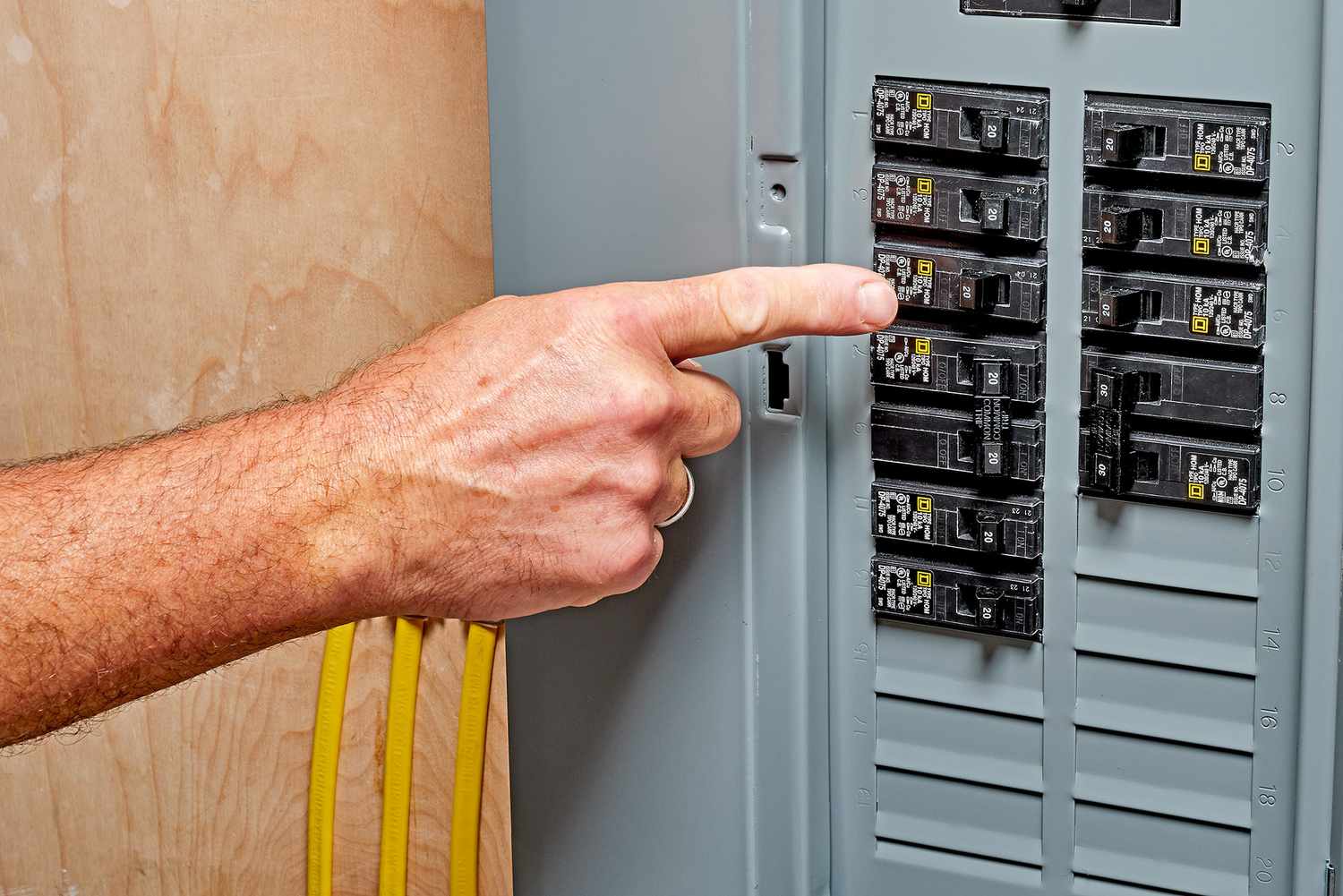
- **Frequent Breaker Trips:** A circuit breaker that trips repeatedly is a sign that the circuit is overloaded or that there is a more serious problem on the line.
- **Flickering or Dimming Lights:** This can indicate a loose connection somewhere in the circuit, which is a fire hazard.
- **Warm or Discolored Outlets:** An outlet or switch that is warm to the touch or shows signs of discoloration is a clear sign of a dangerous wiring problem.
- **Buzzing Sounds:** If you hear a buzzing or sizzling sound coming from an outlet, switch, or your electrical panel, shut off the power to that circuit at the breaker and call an electrician immediately.
- **Upgrading an Older Home:** If you live in an older home in New Kensington or another historic community and want to ensure your electrical system is safe and up to code, a whole-home electrical safety inspection is a wise investment.
In Pittsburgh or the Surrounding Areas?
Your family’s safety is too important to leave to chance. For any electrical work beyond simple bulb changes, trust a professional. Licensed electricians specialize in helping Pittsburgh-area homeowners create safer living environments. From upgrading outdated panels and installing tamper-resistant and GFCI outlets to performing comprehensive safety inspections, the team is dedicated to providing peace of mind. If you have any concerns about your home’s electrical system, contact a licensed electrician today for a consultation. We’re here to help you protect what matters most.