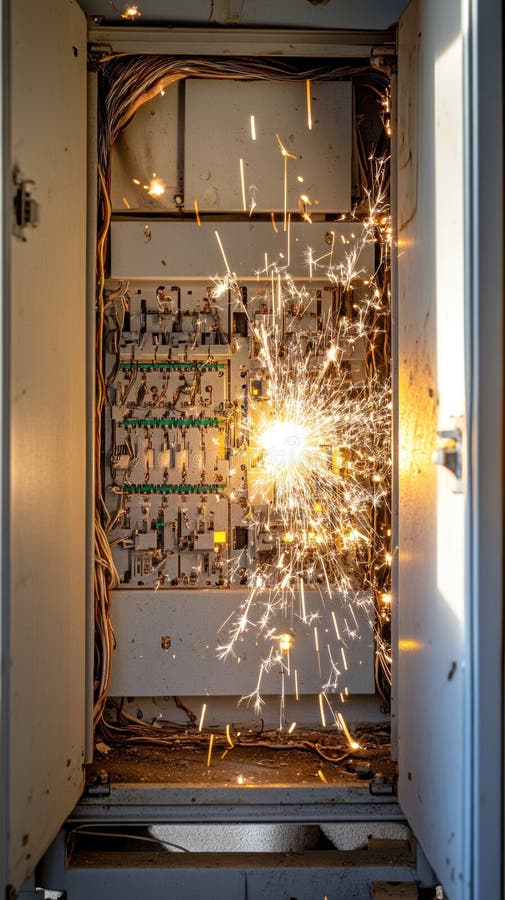

As a homeowner in Pittsburgh, keeping your family safe is a top priority. While we often think about security systems and smoke detectors, electrical safety is a crucial and often overlooked aspect of a secure home. From the historic homes of Shadyside to the newer constructions in Cranberry, every residence relies on a complex electrical system that requires respect and regular attention. Understanding the basics of electrical safety can prevent serious risks, including electrical shocks and devastating house fires. This guide provides essential tips to help you identify potential hazards and maintain a safe electrical environment in your Western Pennsylvania home.
Know Your Electrical Panel
Your home's electrical panel, or breaker box, is the heart of your electrical system. It’s crucial to know where it is and how it works. In many Pittsburgh homes, you'll find it in the basement, a utility closet, or the garage. This panel is your first line of defense against electrical overloads. It contains circuit breakers that automatically trip, or shut off, when a circuit draws too much power. Familiarize yourself with the panel and ensure the breakers are clearly labeled. This way, if a breaker trips, you can easily identify the affected area of your home and, if it's safe to do so, reset it. If a breaker trips frequently, it's a sign of a deeper issue that needs a professional's attention.
Don't Overload Your Outlets
One of the most common electrical hazards is an overloaded outlet. This happens when you plug too many devices into a single outlet, especially high-power appliances. Each circuit in your home is designed to handle a specific amount of electricity, measured in amps. Overloading a circuit can cause the wiring to overheat, creating a serious fire risk. To avoid this, be mindful of what you're plugging in. High-wattage appliances like space heaters, toasters, and hair dryers should be plugged into separate outlets. If you find yourself relying on power strips and multi-outlet extenders, it might be a sign that you need more outlets installed, a common issue in older homes in neighborhoods like Squirrel Hill and Mt. Lebanon.
Here are some warning signs of an overloaded circuit:
- Frequently tripping circuit breakers
- Dimming or flickering lights, especially when you turn on an appliance
- A buzzing sound or burning smell from an outlet
- Outlets or switches that are warm to the touch
- A mild shock or tingle when you touch an appliance
Use GFCIs in Wet Areas
Ground Fault Circuit Interrupters (GFCIs) are life-saving devices that protect you from electrical shock. They are designed to shut off power in an instant if they detect an imbalance in the electrical current, which can happen if electricity is flowing through water or a person. The National Electrical Code (NEC) requires GFCIs in all bathrooms, kitchens, garages, and outdoor areas. Many older homes in Western Pennsylvania may not have them, so it's a critical safety upgrade. You can test your GFCI outlets monthly by pressing the "TEST" button. The "RESET" button should pop out. If it doesn't, or if the outlet doesn't work after you press "RESET," it needs to be replaced by a qualified electrician.
**Safety Callout:** Water and electricity are a deadly combination. Never touch electrical devices with wet hands, and keep all appliances away from sinks, bathtubs, and other water sources.
Practice Smart Extension Cord Safety
Extension cords are a convenient but temporary solution. They are not meant for long-term use. If you find yourself using extension cords to power your everyday devices, it's a sign that you need more outlets. When you do use an extension cord, make sure it's the right type for the job. Indoor cords should never be used outdoors, and you should always check the cord's wattage rating to ensure it can handle the appliance you're plugging into it. Never run extension cords under rugs or furniture, as this can cause them to overheat and become a fire hazard. Also, never use a cord that is frayed or damaged.
Here are some key extension cord safety tips:
- Never use a damaged cord.
- Don't overload the cord.
- Don't run cords under rugs or furniture.
- Use cords with the UL Mark, which indicates they have been tested for safety.
- Never remove the third prong (the ground pin) from a plug.
Schedule Regular Professional Inspections
Just like your car or your HVAC system, your home’s electrical system needs regular check-ups. A professional electrical inspection can identify hidden problems before they become serious hazards. This is especially important for older homes, which may have outdated wiring that doesn’t meet modern safety standards. An inspection can also be a good idea if you’re buying a new home or planning a major renovation. In Allegheny County, electrical work often requires a permit and an inspection to ensure it’s up to code. A qualified electrician can help you navigate this process and ensure your home is safe.