For homeowners in Western Pennsylvania, from the rolling hills of Westmoreland County to the bustling neighborhoods of Pittsburgh, a reliable power source is essential. Our region's weather can be unpredictable, with summer thunderstorms and winter ice storms capable of knocking out power for hours or even days. This is why investing in a home generator is such a wise decision. However, simply buying a generator isn't enough. The safe and effective operation of your investment hinges almost entirely on one critical factor: its location. Choosing where to install your generator is a decision that involves careful consideration of safety regulations, local codes, operational efficiency, and even neighborly courtesy. This comprehensive guide will explore the essential do's and don'ts of generator placement to ensure your family stays safe and your lights stay on.
Why Generator Placement is a Critical Safety Decision
A generator, whether it's a portable unit for occasional use or a permanently installed whole-house standby system, is powered by an internal combustion engine. Much like a car, this engine produces significant amounts of exhaust containing carbon monoxide (CO), a colorless, odorless, and deadly gas. The primary goal of proper generator placement is to prevent this exhaust from entering your home. Even small amounts of CO can cause serious health issues, and high concentrations can be fatal in minutes. Tragically, preventable deaths from CO poisoning occur every year simply because a generator was operated too close to a home's windows, doors, or air conditioning units. Beyond the immediate danger of CO, generators also present a fire risk if they are placed too close to combustible materials like wooden siding, fences, or dry vegetation. Lastly, these machines are not quiet. Thoughtful placement can minimize noise pollution, keeping both your family and your neighbors happy.
Understanding Key Codes and Clearances
- A minimum of 5 feet of clearance from any operable window, door, or air intake vent. This is the most critical rule for preventing CO from entering your living space.
- A minimum of 18 inches of clearance from the wall of your house. However, most professional installers, including licensed electricians, recommend a wider berth of 3 to 5 feet to allow for adequate airflow and service access.
- A minimum of 5 feet of clearance in all directions from any combustible materials. This includes trees, shrubs, woodpiles, and vinyl fencing.
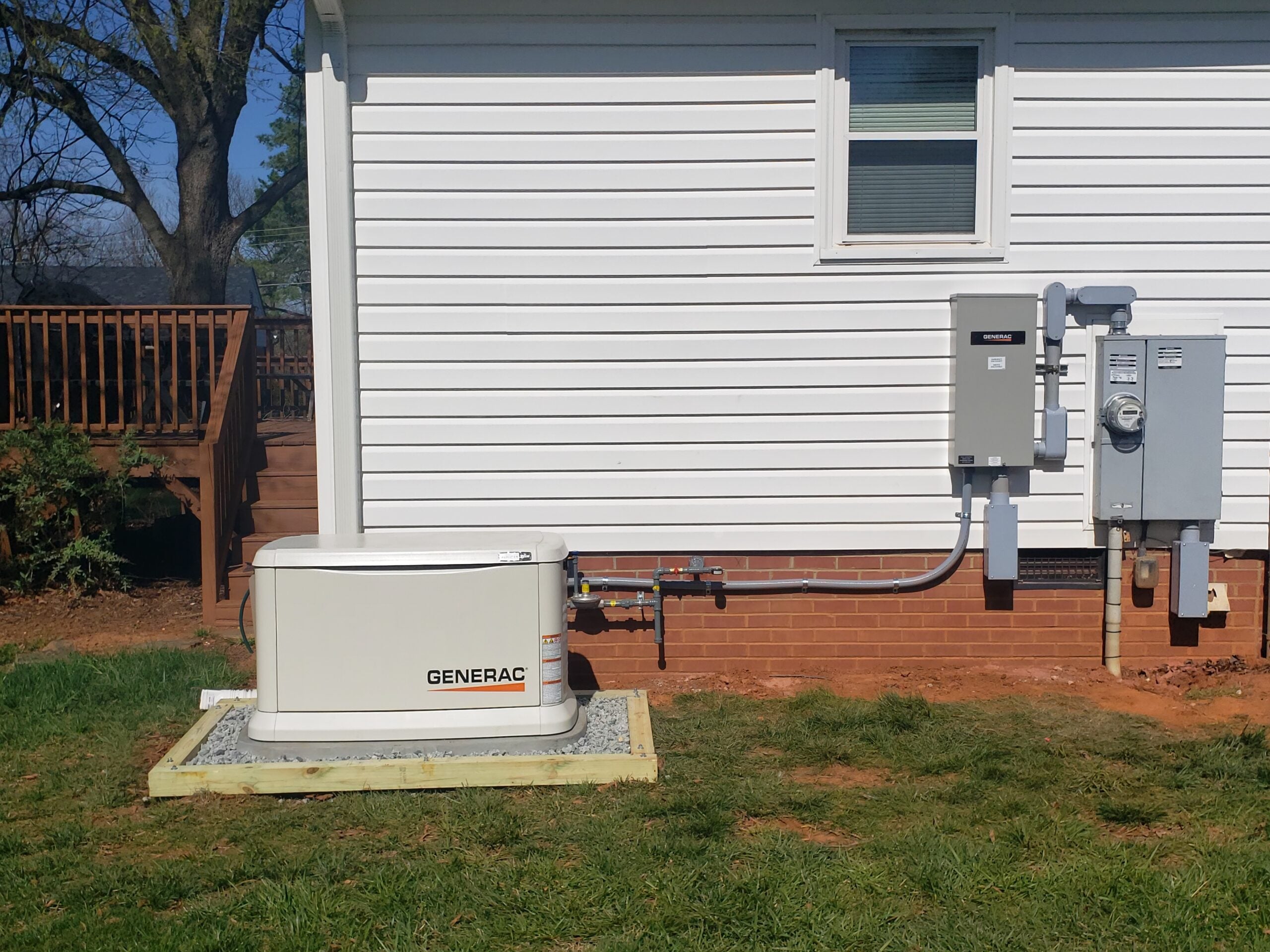
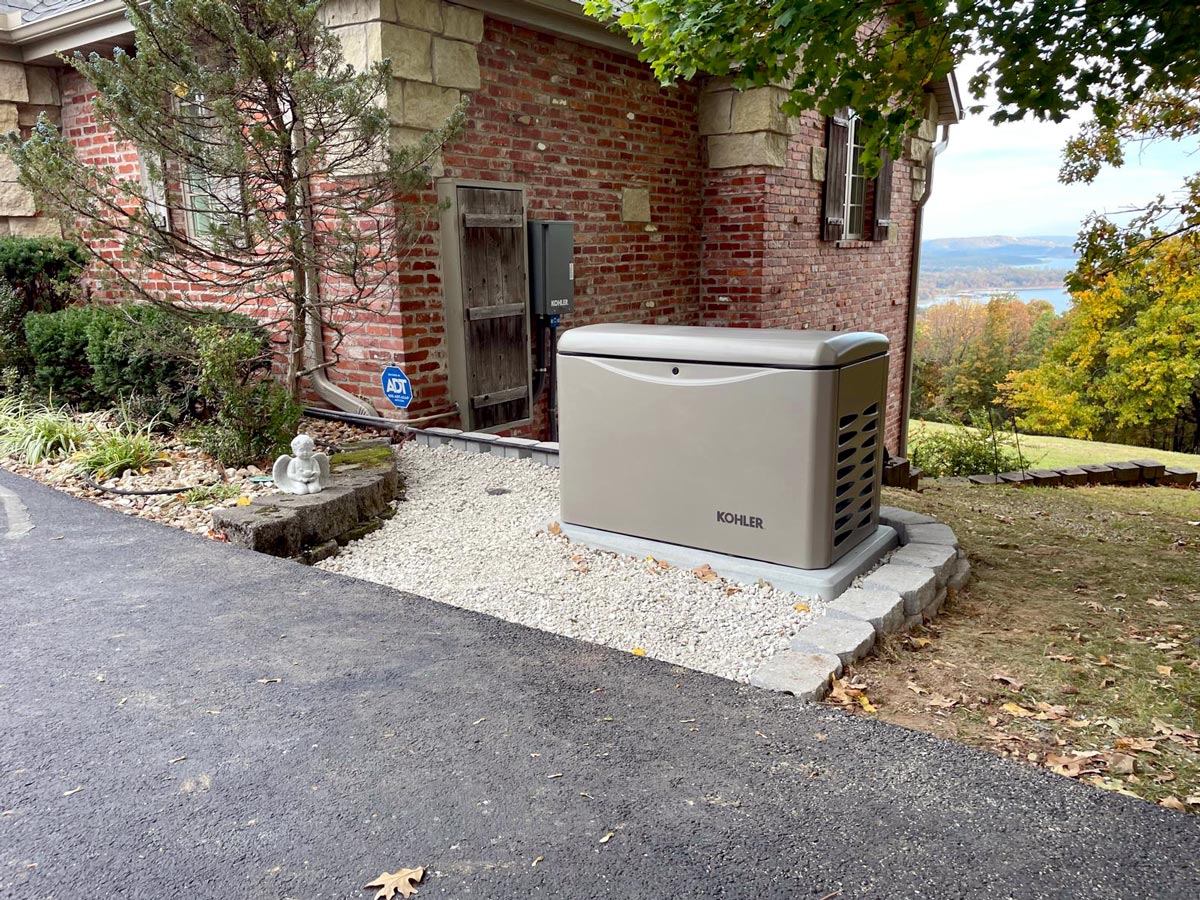
- The generator must be installed on a stable, non-combustible, and level surface. This usually involves pouring a concrete pad or creating a bed of pea gravel to prevent the unit from shifting, vibrating excessively, or sinking into the ground.
The Best (and Worst) Places for a Standby Generator
The ideal location for a standby generator is usually at the side or rear of your house. This placement keeps the unit out of sight and helps buffer the sound. When scouting a location, a professional installer will also evaluate the proximity to your home’s electrical panel and, for natural gas units, the gas meter. Minimizing the distance for electrical conduit and gas piping can help reduce installation costs. It’s also crucial to consider the landscape. The spot must be high enough to be safe from potential flooding, a real concern for properties near Pittsburgh's three rivers or in low-lying areas. Finally, the location must provide ample space for a technician to perform routine maintenance, such as oil changes and inspections.
Conversely, some locations are absolutely forbidden. Never, under any circumstances, should a generator be installed or operated inside a home, basement, crawlspace, or attached garage. Even with the garage door open, it is not safe. These enclosed spaces allow deadly levels of carbon monoxide to accumulate rapidly. Other poor choices include placement under a deck, in a breezeway, or in any area that could trap exhaust fumes or restrict airflow needed for cooling. Avoid spots that are difficult to access, as this will turn essential maintenance into a major and costly chore.
A Note on Carbon Monoxide Detectors: Your first line of defense is proper generator placement. Your second, non-negotiable line of defense is having working carbon monoxide detectors. Ensure you have detectors with battery backups installed on every level of your home and near all sleeping areas. Test them regularly.
Navigating Installation in Older Pittsburgh Homes
Many of the charming older homes in neighborhoods like Squirrel Hill, Shadyside, and South Side were built long before home generators were common. These properties often present unique challenges. Lot sizes can be small, with houses situated closely together, making it difficult to meet the 5-foot clearance requirements from property lines or a neighbor’s windows. Furthermore, the home’s electrical system itself is often a major consideration. A vintage house might still have an original 60-amp or 100-amp electrical panel, which is often insufficient to support a modern standby generator alongside the home's existing electrical loads. In these cases, a panel upgrade is frequently the first step in a generator project. A qualified electrician specializing in older homes can perform a load calculation to assess your needs and design a safe, effective, and code-compliant installation.
Portable vs. Standby: Key Placement Differences
While the core safety principles apply to both, the flexible nature of portable generators requires extra vigilance. A standby generator’s location is fixed and professionally vetted. A portable generator, however, must be set up safely every single time it’s used. This means you must manually move it to a location at least 20 feet away from your house, ensuring the exhaust is pointing away from all windows and doors. You must also protect it from the elements; never operate a portable generator in rain or snow without a specialized, manufacturer-approved tent or cover. Finally, you must plan for power delivery, either through properly rated outdoor extension cords connected to individual appliances or, more safely, via a professionally installed transfer switch that allows you to power entire circuits in your home.
Need Professional Help?
Choosing the right location for your generator is a critical decision that protects your family and your investment. If you’re a homeowner in the Greater Pittsburgh area, from Greensburg to the heart of Allegheny County, navigating the complexities of generator installation can feel daunting. experienced electricians specialize in creating safe, reliable, and code-compliant generator solutions. A licensed electrician can help you select the perfect location, choose the right size generator for your needs, and ensure your home is prepared for any power outage. Contact a licensed electrician today for a comprehensive consultation and enjoy the peace of mind that comes with being prepared.