When you touch a circuit breaker in your electrical panel, it should feel cool or slightly warm at most. If you find a breaker that is noticeably hot to the touch, it’s a clear warning sign that something is wrong with your electrical system. Ignoring a hot breaker can lead to a dangerous situation, including a potential fire hazard in your Pittsburgh home.
What Makes a Circuit Breaker Feel Hot?
Circuit breakers are designed to handle a specific amount of electrical current. When they operate under a heavy but safe load, they can generate a small amount of heat, making them feel warm. However, a breaker that is hot to the touch indicates excessive heat, which is a symptom of an underlying electrical problem that requires immediate attention.
Common Cause #1: Overloaded Circuit
The most frequent cause of a hot breaker is an overloaded circuit. This happens when you draw more electrical power than the circuit is rated for. For instance, a standard 15-amp circuit can get overloaded if you plug in a space heater (around 12.5 amps) and a vacuum cleaner (5-10 amps) at the same time. Many older homes in Pittsburgh neighborhoods like Shadyside or the South Side were not built to handle the electrical demands of modern life, making overloads more common.
Signs of an overloaded circuit include:
- The breaker trips frequently.
- Lights flicker or dim when you turn on a large appliance.
- Outlets or switch plates are warm or discolored.
- You hear a buzzing or sizzling sound from the electrical panel.
Common Cause #2: Loose or Bad Connections
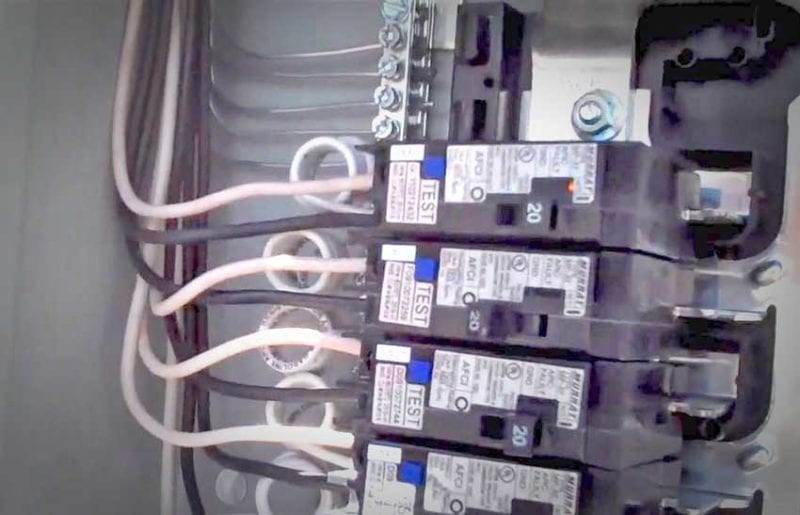
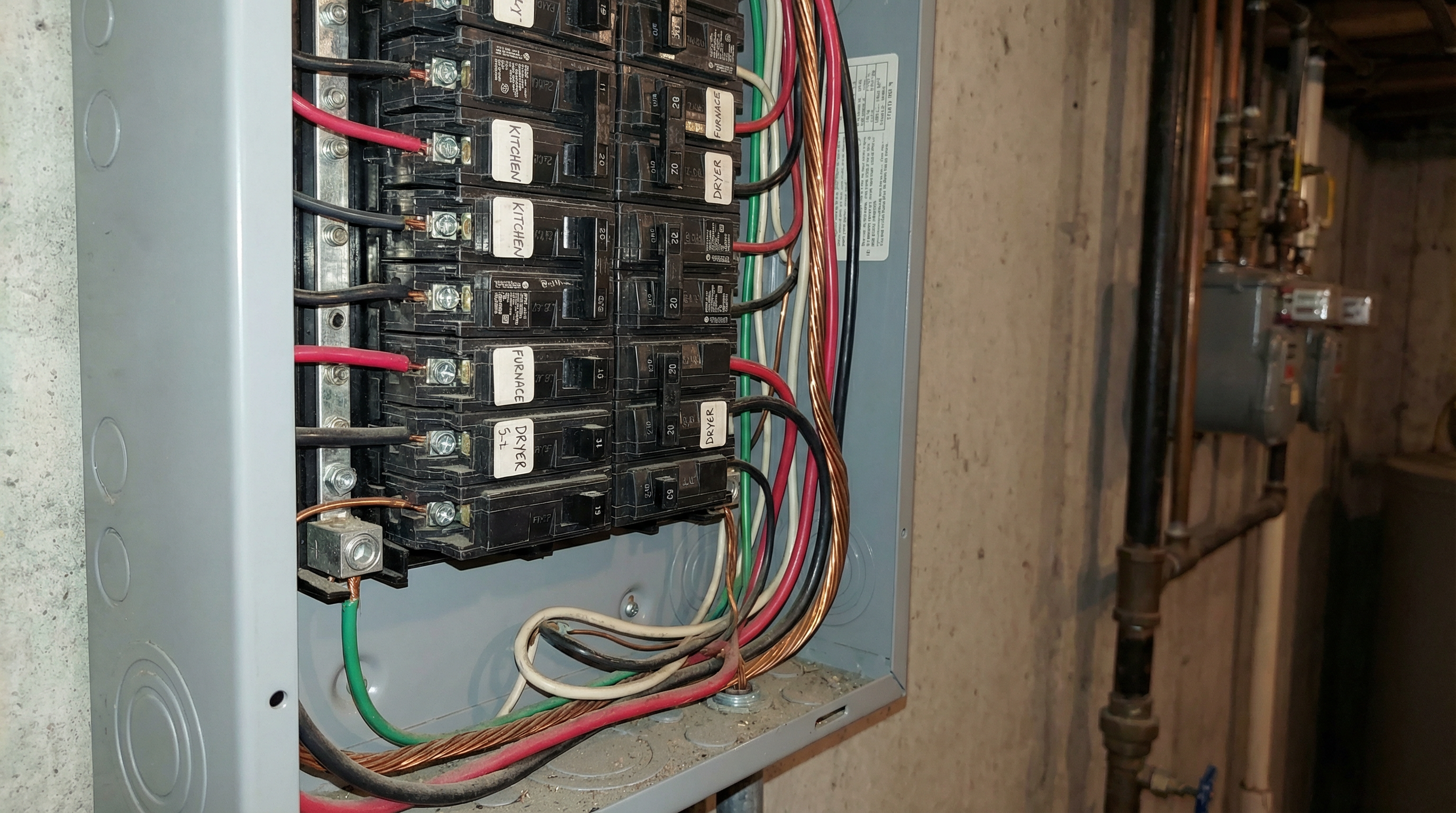
A loose wire connection is another serious cause of a hot breaker. If the wire is not securely fastened to the breaker, or the breaker itself is not seated firmly onto the panel's bus bar, the poor connection creates electrical resistance. This resistance generates significant heat as electricity struggles to flow through, creating a major fire hazard. This is not a DIY fix and requires a licensed electrician to safely tighten and secure the connections.
Common Cause #3: A Bad or Failing Breaker
Circuit breakers don't last forever. Over time, the internal components can wear out, especially if the breaker has tripped multiple times. A failing breaker may become hot even under a normal load because it can no longer manage the electrical current effectively. In some cases, a bad breaker won't trip when it should, which is an extremely dangerous situation. If you suspect a breaker is faulty, it should be replaced immediately.
A hot breaker is a serious warning sign. Never ignore it. For your safety, always have a qualified electrician diagnose and resolve the problem.
What to Do if You Find a Hot Breaker
If you discover a hot breaker in your panel, follow these steps:
- Turn off and unplug any appliances or devices connected to that circuit to reduce the load.
- Firmly switch the breaker to the full "Off" position, then back to the "On" position to reset it.
- Wait a few minutes and check the breaker again. If it is still hot or trips again, leave it in the "Off" position.
- Contact a licensed electrician to inspect the circuit and panel.
When to Call a Pittsburgh Electrician
Working inside an electrical panel is dangerous and should only be performed by a qualified professional. In Western Pennsylvania, electrical work must comply with local and state codes, and a licensed electrician will ensure the job is done safely and correctly. Whether it's a simple loose wire or a failing breaker, an expert can identify the root cause and protect your home from electrical hazards. Duquesne Light and other local utilities also stress the importance of professional electrical work for home safety.