For most homeowners in Pittsburgh, the intricate network of wires running behind the walls is a mystery. Yet, these wires are the lifelines of your home’s electrical system, delivering power to every light, outlet, and appliance. Understanding the basics of this system, particularly the relationship between wire gauge and amperage, is fundamental to ensuring your home's electrical safety and functionality. This guide serves as a reference for Western Pennsylvania homeowners to demystify electrical wiring and highlight why this is one area where professional expertise is non-negotiable.
What is Wire Gauge (AWG)?
Electrical wire size is measured by the American Wire Gauge (AWG) system. It might seem counterintuitive, but the smaller the AWG number, the thicker the wire. A 6-gauge wire is much thicker and can carry more electrical current than a 14-gauge wire. Think of it like a water pipe: a wider pipe can carry a greater volume of water, just as a thicker wire can handle a higher flow of electricity, or amperage.
Common Residential Wire Gauges and Amperage Ratings
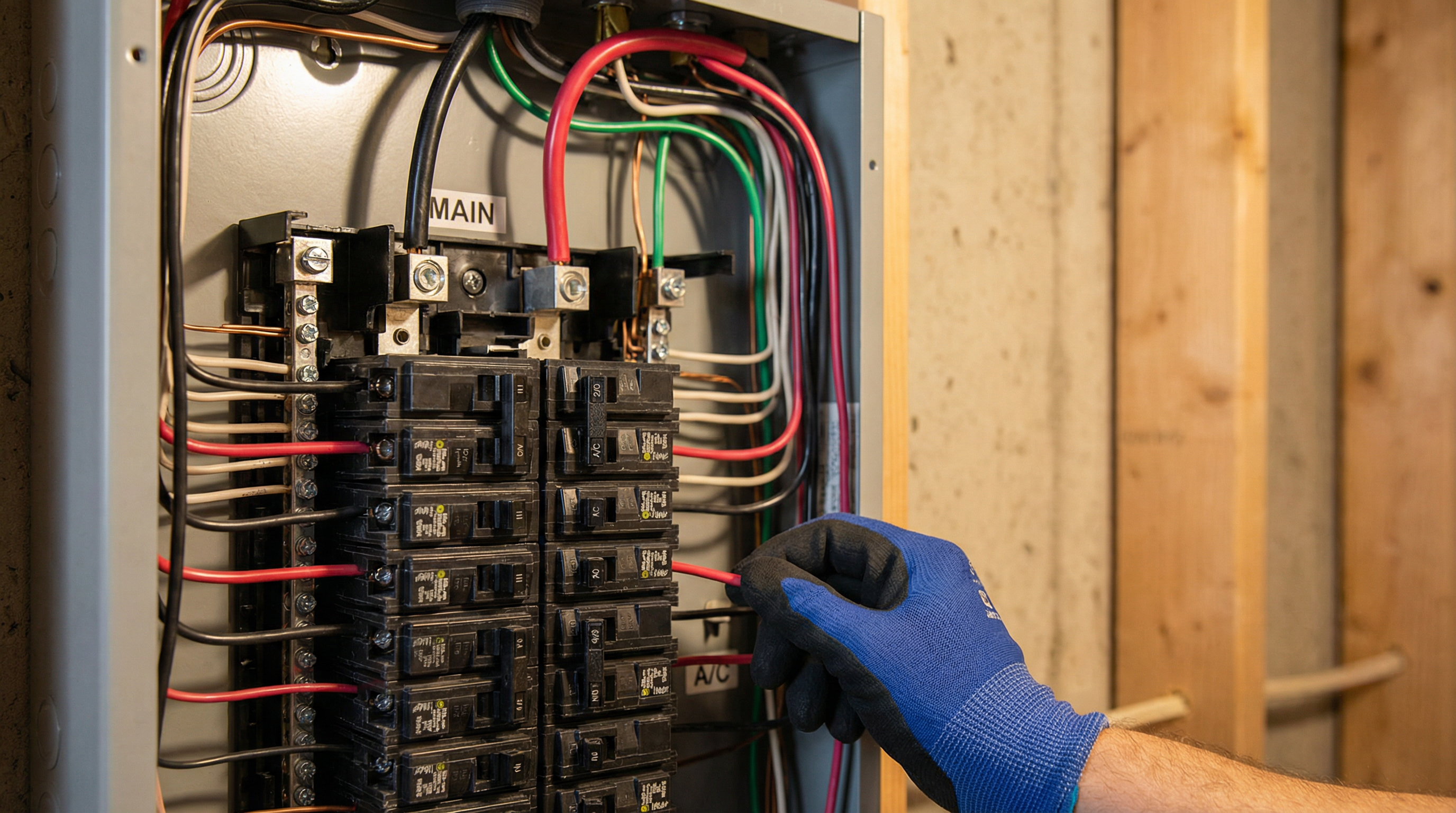
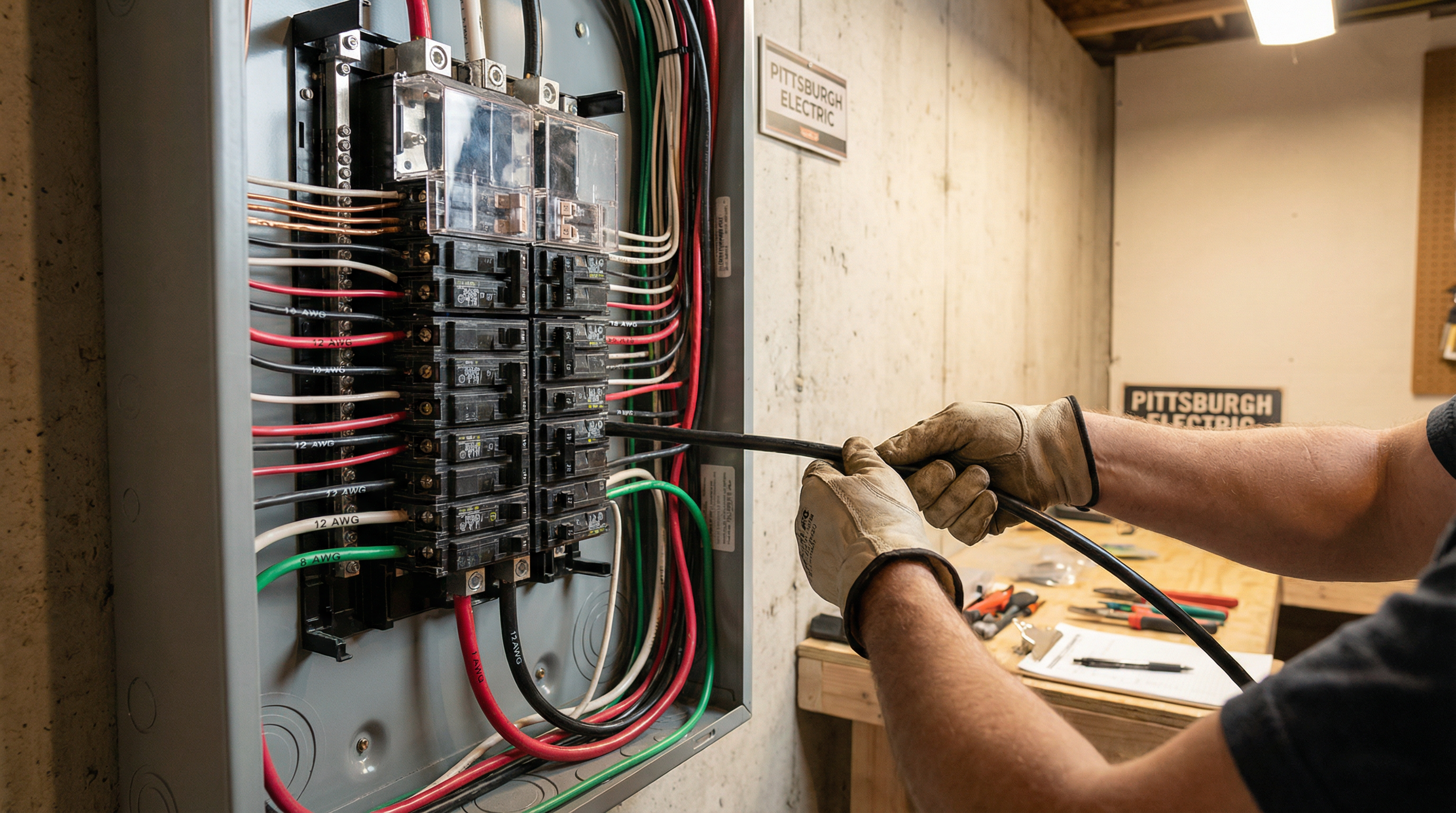
In a typical Pittsburgh-area home, you will primarily find a few standard wire gauges used for different types of circuits. Each is rated for a maximum amperage, which is the strength of the electrical current it can safely carry. This rating is directly tied to the circuit breaker that protects it.
Here are the most common gauges and their applications:
- **14-Gauge Wire (15-Amp Circuits):** This is the most common wiring in older homes and is still used for general-purpose lighting circuits and standard outlets. It is paired with a 15-amp circuit breaker.
- **12-Gauge Wire (20-Amp Circuits):** Now the standard for general household outlets, especially in kitchens, bathrooms, and laundry rooms where appliances draw more power. It is paired with a 20-amp circuit breaker.
- **10-Gauge Wire (30-Amp Circuits):** This thicker wire is used for high-power appliances like electric dryers, water heaters, and central air conditioners. It is connected to a 30-amp breaker.
- **8-Gauge and 6-Gauge Wire (40-60+ Amp Circuits):** You’ll find these heavy-duty wires running to your electric range, subpanels, or serving as the main service entrance conductors bringing power into your home's main electrical panel.
Why Using the Correct Wire Gauge is a Matter of Safety
The National Electrical Code (NEC) strictly dictates the required wire gauge for specific amperages for one critical reason: to prevent fires. When electricity flows through a wire, it generates heat due to resistance. A wire that is too thin for the amperage flowing through it will have higher resistance and will overheat. This can lead to several dangerous scenarios: the wire's plastic insulation can melt, exposing the live conductor and creating a shock or fire hazard. The excessive heat can ignite nearby wood framing, insulation, or other building materials. It can also damage the appliance connected to the circuit and trip the circuit breaker, but relying on the breaker as a last resort is a dangerous gamble.
**A Critical Mismatch:** A common mistake seen in unpermitted DIY work is replacing a 15-amp breaker with a 20-amp breaker without upgrading the 14-gauge wiring. This creates a scenario where the wire can dangerously overheat long before the breaker ever trips, completely defeating the purpose of the safety device.
Signs You Might Have a Wiring Problem
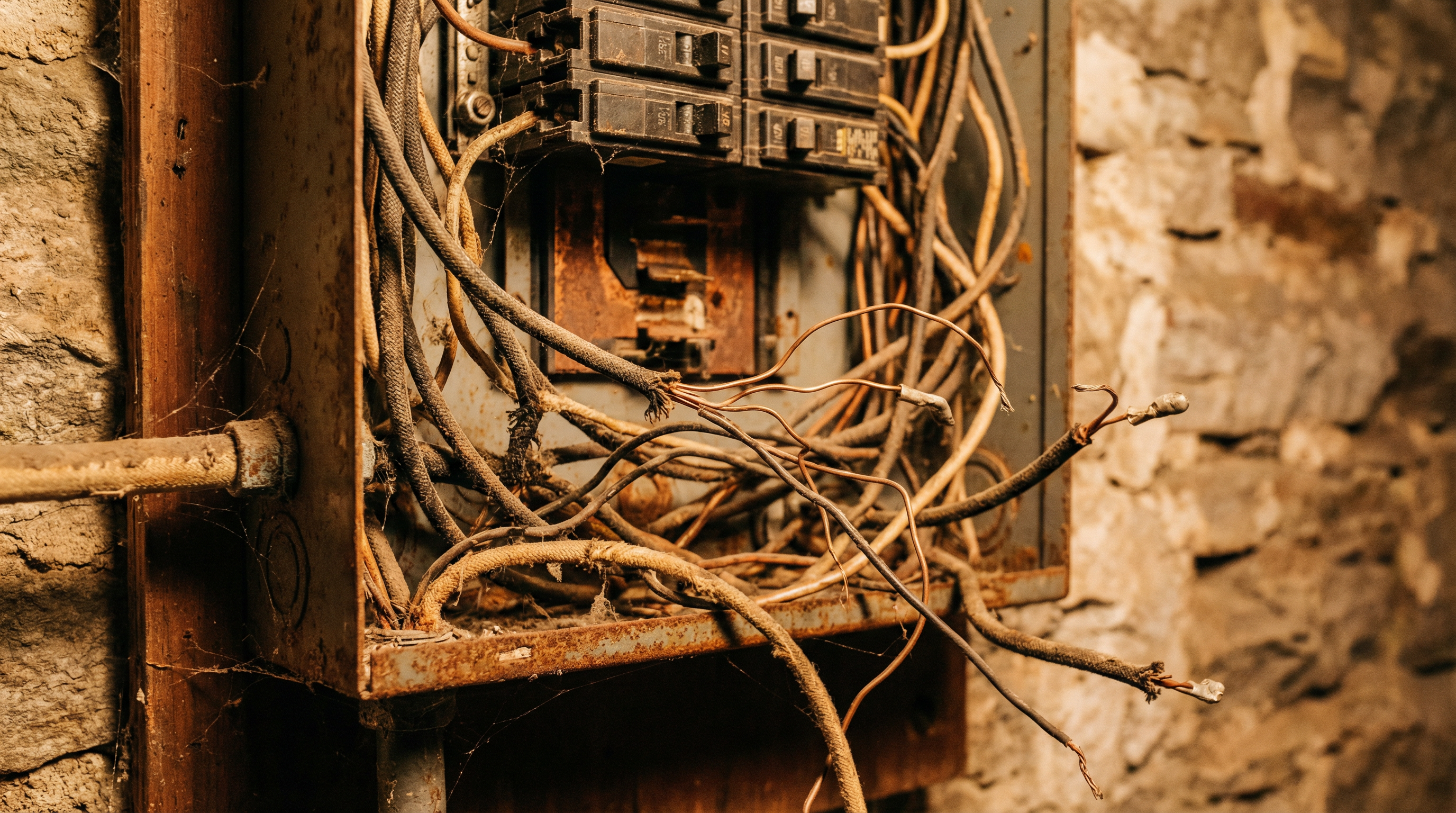
Because most wiring is hidden, problems can go unnoticed for years. However, there are several warning signs that could indicate undersized or faulty wiring in your home:
If you notice any of these signs, it is crucial to contact a licensed electrician immediately to diagnose and resolve the issue.
In Pittsburgh or the Surrounding Areas?
Your home's electrical system is no place for guesswork. To ensure your wiring is safe, up to code, and capable of meeting your family's power needs, a professional assessment is essential. For a comprehensive electrical safety inspection and peace of mind, always consult a qualified and licensed electrician in the Pittsburgh area.
Get a Free Quote