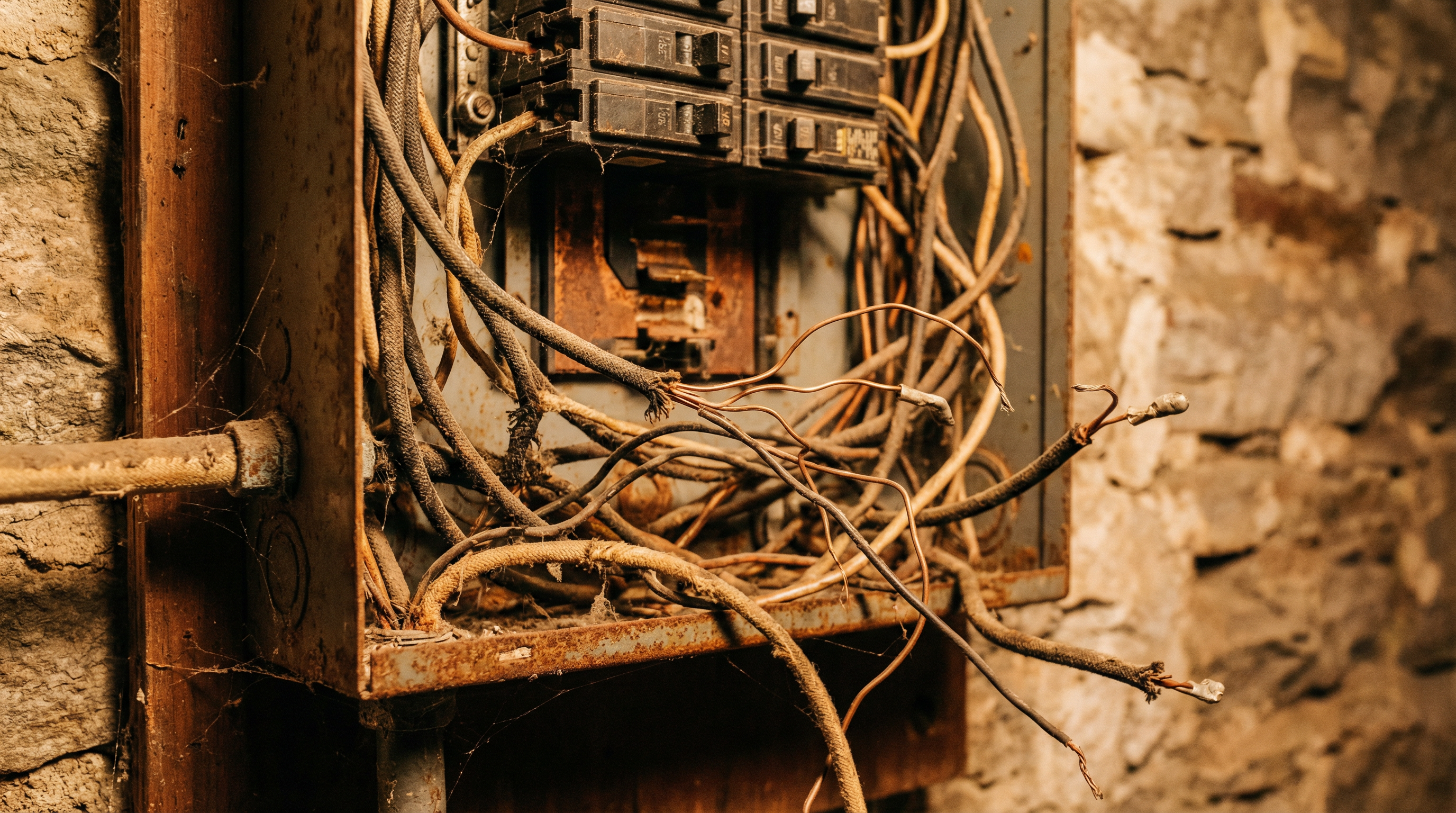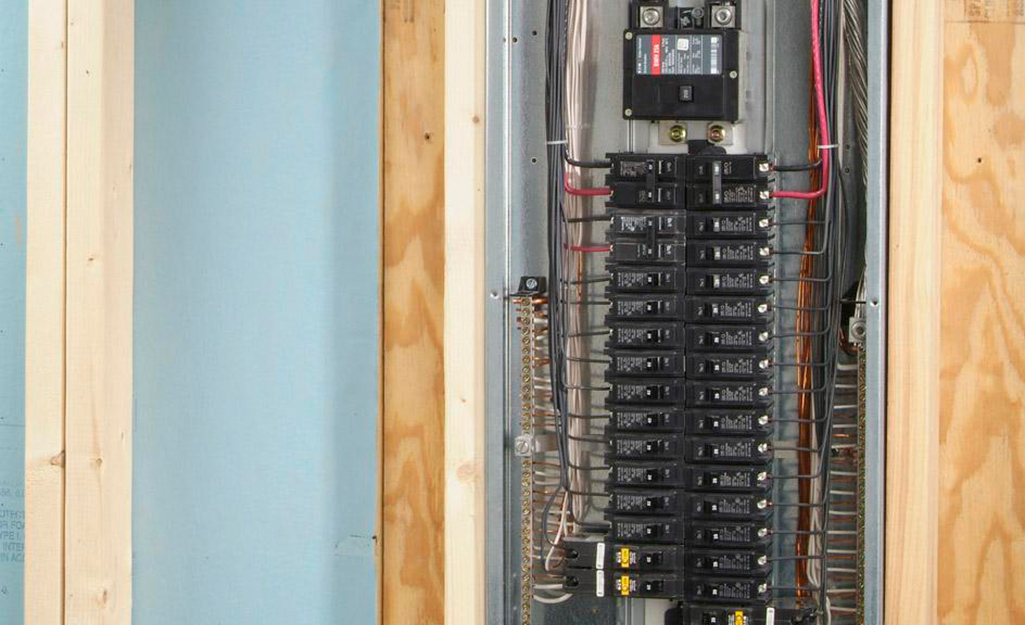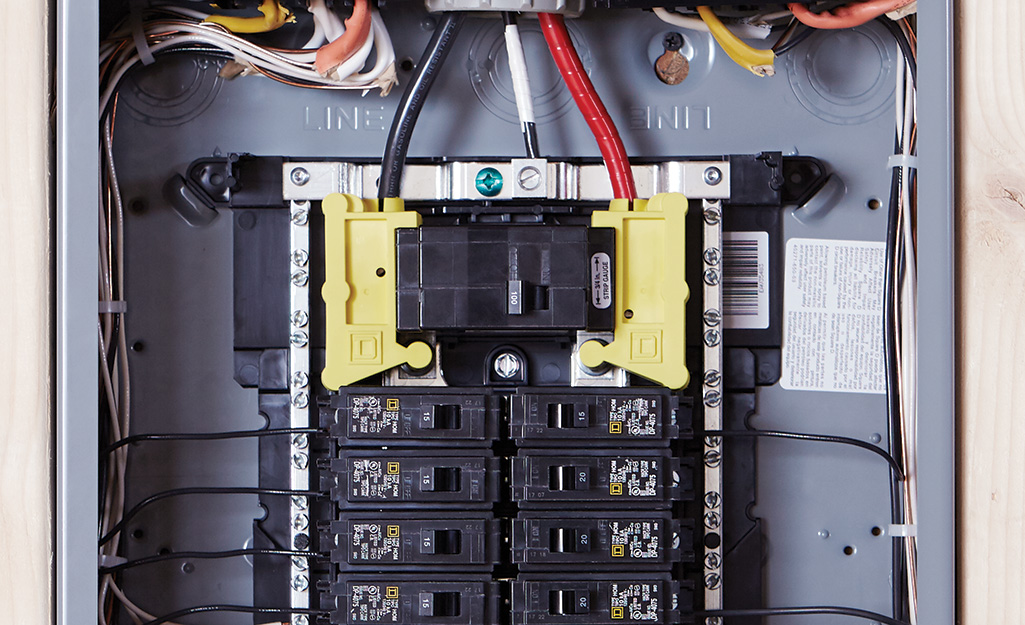
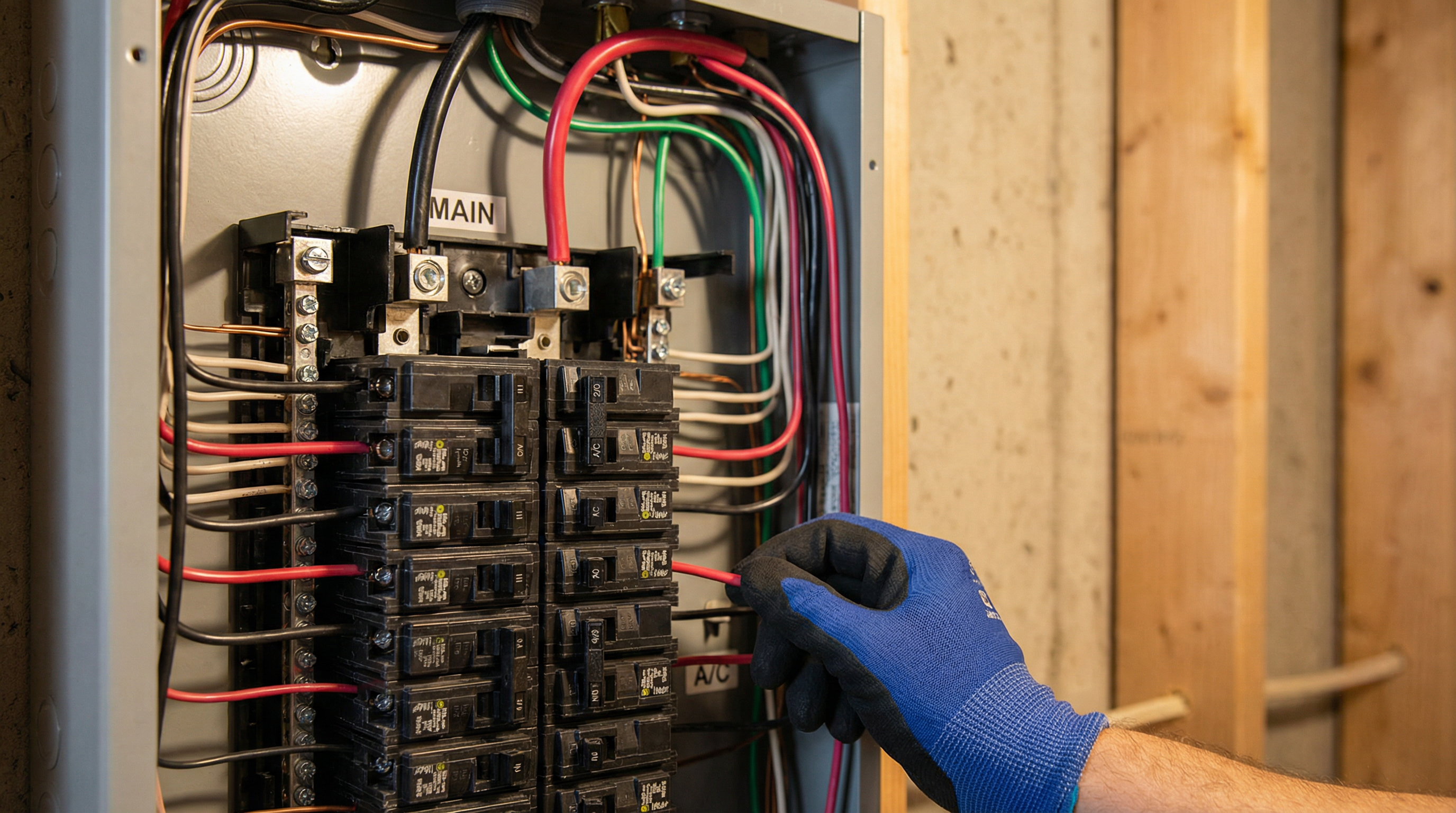
Peeking inside an electrical box can look like a tangle of colorful spaghetti. To the untrained eye, it’s a confusing mess. But to a licensed electrician, that rainbow of wires tells a very specific story. Understanding the basics of electrical wiring color codes is a fundamental aspect of home safety for any homeowner in the Pittsburgh area. While this knowledge won’t make you an electrician, it will empower you to better understand your home’s electrical system and communicate more effectively with the professionals you hire.
Why Wiring Color Codes Matter
The National Electrical Code (NEC) dictates standards for wire colors to ensure safety and consistency across residential and commercial buildings. For homeowners, these color codes serve three critical purposes: safety, by identifying which wires are likely to be live with electrical current; organization, by helping electricians quickly understand how a system is wired; and diagnostics, by making it easier to troubleshoot problems. A properly wired and color-coded system is a sign of professional, safe workmanship.
The Primary Colors: Hot, Neutral, and Ground
In most standard residential wiring in Western Pennsylvania, you will encounter three main types of wires, each with a distinct role in a circuit. Hot wires carry live electrical current from the breaker panel to a device, such as a light fixture or outlet. Neutral wires complete the circuit by carrying the current back to the panel. Ground wires provide a safe path for electricity to flow in the event of a short circuit, protecting you from electrical shock.
Key Wire Color Functions:
- **Black Wires (Hot):** These are the most common wires used to carry live electrical current.
- **Red Wires (Hot):** Also a hot wire, often used as a secondary hot wire in 240-volt circuits or for switch legs.
- **White and Gray Wires (Neutral):** These wires carry current back to the electrical panel to complete the circuit.
- **Green and Bare Copper Wires (Ground):** These are safety wires that protect against electrical shock.
A Deeper Look at Common Wire Colors
**Black wires** are almost always hot, so they should be handled with the utmost caution. They are the primary carriers of power to devices throughout your home. **Red wires** are also hot and are often found in applications requiring 240 volts, such as for an electric stove or dryer. You might also see them used in multi-switch setups or for ceiling fans that have a separate light. **White or gray wires** are your neutral conductors. It's important to note that while they are called 'neutral,' they are still part of the live circuit and can carry current. In some older homes, a white wire might be used as a hot wire, in which case it should be marked with black or red tape. **Green wires and bare copper wires** are used for grounding. They are a crucial safety feature, but you should never assume they can't be live.
Secondary and Less Common Wire Colors
Beyond the primary colors, you might also encounter **blue and yellow wires**. These are typically used as hot wires in more complex wiring situations, such as for three- or four-way switch travelers. **Orange wires** can also be used as hot wires, sometimes in dedicated circuits. While less common in residential settings, seeing these colors is a clear sign that the wiring is not a simple, standard circuit and requires professional attention.
**Safety First: Always Test Wires.** No matter the color, you should never assume a wire is safe to touch. The only way to be certain a wire is not carrying current is to test it with a quality voltage tester. A previous owner or an unqualified handyman could have made mistakes that violate standard color codes.
In Pittsburgh or the Surrounding Areas?
Your home's electrical system is complex and potentially dangerous. While understanding wiring color codes is valuable knowledge, it is not a substitute for professional expertise. For your safety and the protection of your home, always entrust electrical work to a qualified and licensed electrician in the Pittsburgh area. They have the training, tools, and experience to ensure your electrical system is safe, reliable, and up to code.
Get a Free Quote