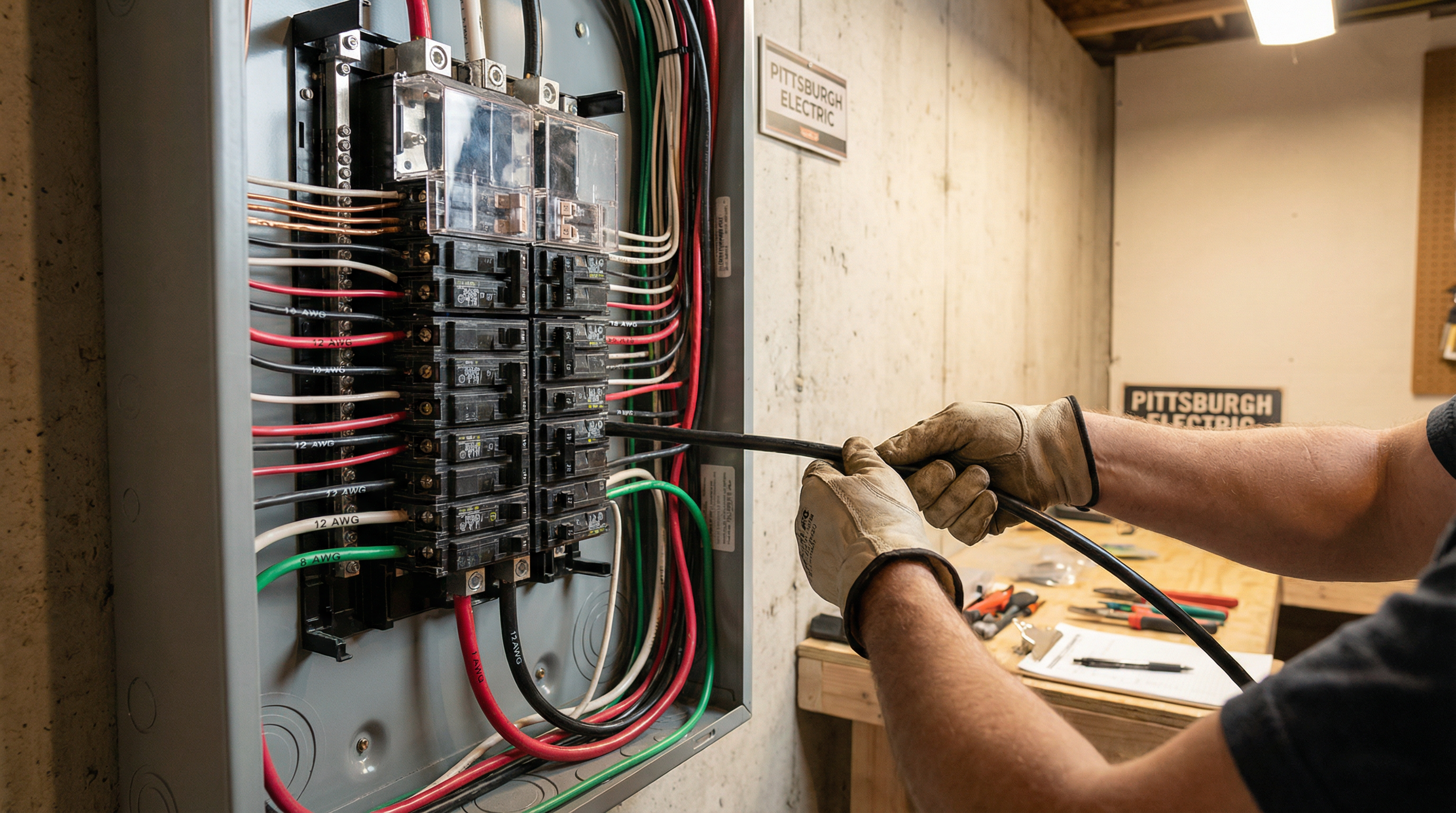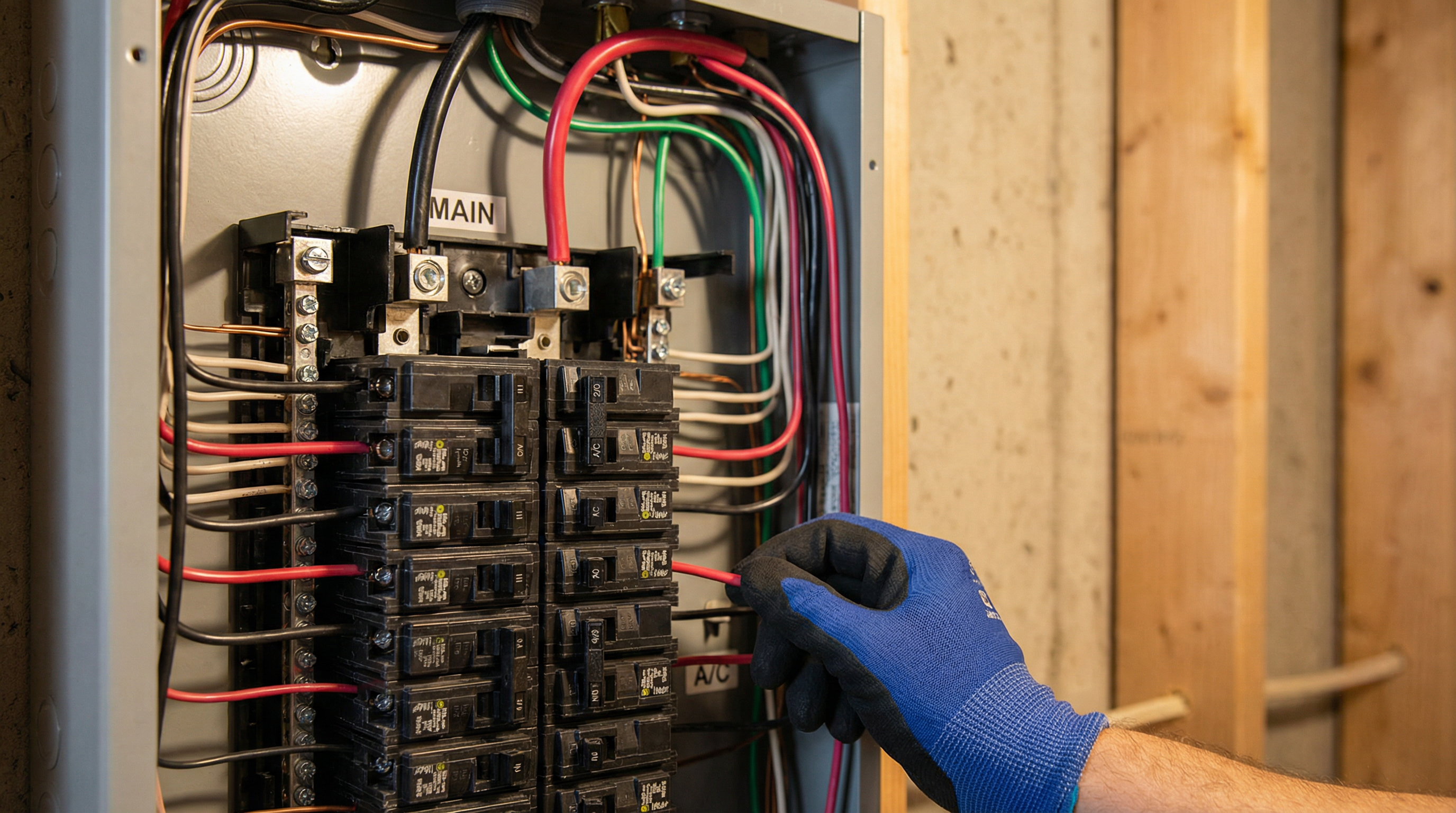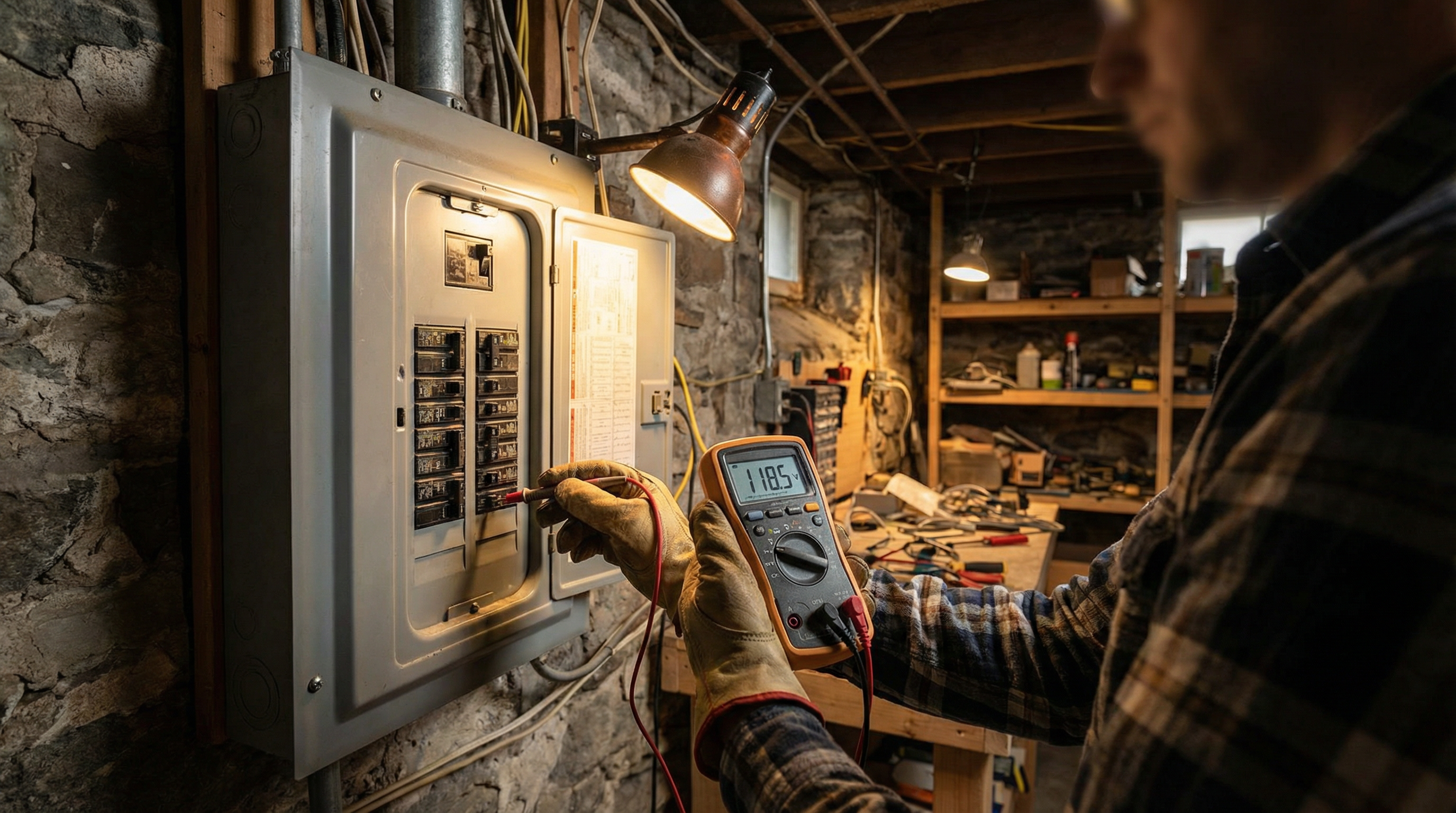
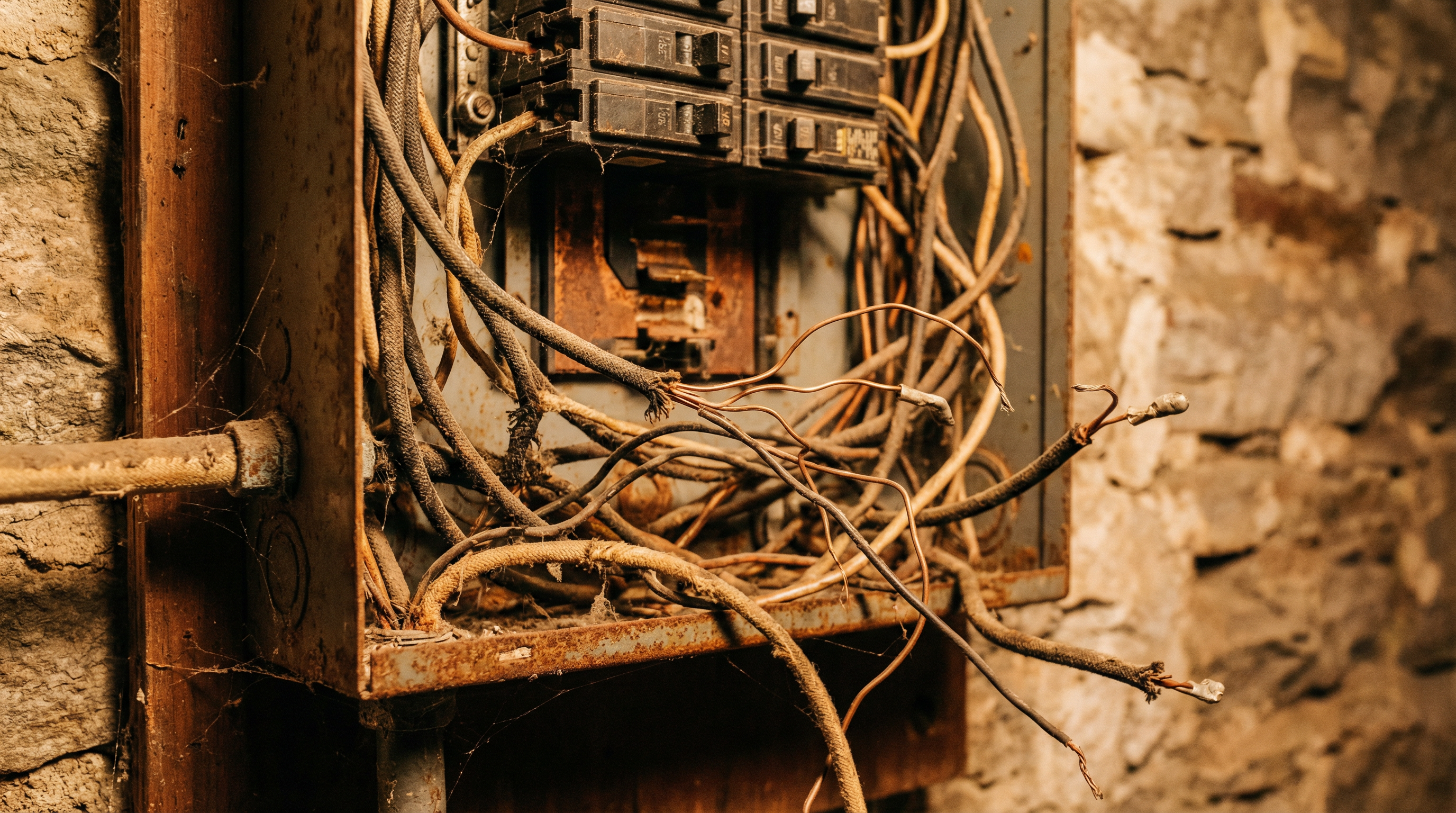
Your home's electrical system is its central nervous system, powering everything from your morning coffee maker to your family's movie night. For homeowners in Pittsburgh and across Western Pennsylvania, where many houses have a rich history, ensuring the integrity of this system is paramount. Outdated or damaged wiring is one of the most significant hidden hazards in a home, responsible for thousands of residential fires each year. Understanding the warning signs of electrical problems is not just a matter of maintenance—it’s a critical component of home safety. This guide will help you identify potential wiring issues before they escalate into dangerous situations, ensuring your home remains a safe haven.
Telltale Signs of Wiring Trouble
Most electrical problems don't appear out of thin air. They provide subtle clues that something is amiss. Being vigilant and recognizing these signs is the first step in preventing an electrical disaster. Pay close attention to your outlets, switches, and the overall behavior of your electrical system.
One of the most common indicators of a wiring problem is an outlet or switch plate that feels warm to the touch. While it's normal for a dimmer switch to be slightly warm, a standard outlet or switch should remain at room temperature. Heat is a byproduct of electrical resistance, and excessive heat indicates a loose connection, overloaded wiring, or a faulty device. This is a clear signal that the connection is unsafe and requires immediate professional attention.
A persistent burning smell is a serious red flag that should never be ignored. The odor might be sharp and acrid, similar to burning plastic, or have a faint, fishy scent. This smell can be caused by a variety of issues, including overheating wires, a malfunctioning circuit breaker, or a faulty appliance. If you notice such a smell, try to identify the source, but do not continue using the outlet or circuit. It is crucial to turn off the corresponding circuit at your electrical panel and call a licensed electrician right away.
Visual cues can also alert you to underlying wiring issues. Take a moment to inspect your outlets and switch plates. Any discoloration, from a slight tan to dark scorch marks, suggests that the connections are overheating. This is a sign of arcing, a dangerous electrical phenomenon where electricity jumps between loose connections, creating intense heat. Similarly, if you notice that your lights flicker or dim when you turn on a large appliance, it could indicate that your home's wiring is overloaded and struggling to meet the demand.
Here are some other common signs of wiring problems to watch for:
- **Frequent Tripped Breakers:** Circuit breakers are designed to trip to prevent overloads, but if a breaker trips frequently, it points to a deeper issue on that circuit.
- **Buzzing or Sizzling Sounds:** Your electrical system should operate silently. Any buzzing, sizzling, or popping sounds from outlets, switches, or your electrical panel are abnormal and signal a problem.
- **Sparks from an Outlet:** A brief, small spark when you first plug something in can be normal, but large, sustained sparks are a sign of a serious issue.
- **Vibrating Outlets:** An outlet that vibrates when you plug something in may have a loose connection inside the wall.
Hidden Dangers: What You Can't See
While some wiring problems are easy to spot, others are hidden behind your walls, posing a silent threat. In many of the older homes found in the Pittsburgh area, outdated wiring systems are a primary concern. Knob-and-tube wiring, used in homes built before the 1950s, lacks a ground wire, making it incompatible with modern three-pronged appliances and increasing the risk of electrical shock. Furthermore, its insulation can become brittle over time, creating a fire hazard.
Rodent damage is another hidden danger that can compromise your home's electrical safety. Mice, rats, and squirrels often chew on electrical wires, stripping away the protective insulation. This exposes the live wires, creating a severe risk of arcing and fire within your walls. If you suspect you have a pest problem, it’s wise to have your wiring inspected for damage.
**Safety First: Act Immediately** If you notice any of the warning signs discussed—such as warm outlets, a burning smell, or discolored plates—do not wait. These are indicators of a potentially serious electrical hazard. Your immediate priority should be to contact a qualified, licensed electrician to diagnose and resolve the issue. Delaying action can significantly increase the risk of an electrical fire or other dangers.
When to Call a Professional for an Electrical Inspection
Knowing when to call for a professional electrical inspection is key to maintaining a safe home. While the warning signs mentioned above are clear triggers, there are other situations where a proactive inspection is a wise investment. A thorough inspection by a licensed electrician provides a comprehensive assessment of your entire electrical system, identifying potential problems before they become critical.
Consider scheduling an electrical inspection in the following situations:
- **When purchasing a home:** Especially if the house is over 40 years old.
- **After a major renovation:** To ensure new additions haven't strained your existing system.
- **If you rely on extension cords:** Constant use of extension cords is a sign your home lacks sufficient outlets.
- **After a major storm or flood:** Water damage can severely compromise your electrical system.
- **If you have ungrounded, two-prong outlets:** This indicates an older wiring system that may need upgrading.
Proactive Measures for a Safer Home
Beyond watching for warning signs, you can take proactive steps to protect your home and family from electrical hazards. Avoid overloading your circuits by plugging too many high-power appliances into a single outlet or circuit. Use surge protectors for sensitive electronics to shield them from power fluctuations. Finally, if you have any doubts or concerns about your home’s electrical system, the most important step you can take is to consult a professional.
In Pittsburgh or the Surrounding Areas?
Your home’s electrical system is complex and potentially dangerous to work on without the proper knowledge and training. For your safety and peace of mind, always entrust your electrical needs to a qualified and licensed electrician. They have the expertise to identify and correct wiring problems safely, ensuring your home’s electrical system is reliable and up to code.
Get a Free Quote