A Homeowner's Guide to Electrical Wiring in Pittsburgh
As a homeowner in Pittsburgh, from the historic homes in Shadyside to the newer constructions in Cranberry, understanding the basics of your electrical system is crucial for safety and maintenance. While you should always leave complex jobs to a licensed electrician, knowing the fundamentals of electrical wiring can help you spot potential issues, communicate effectively with professionals, and ensure your home remains a safe environment for your family.
Common Types of Wiring in Western Pennsylvania Homes
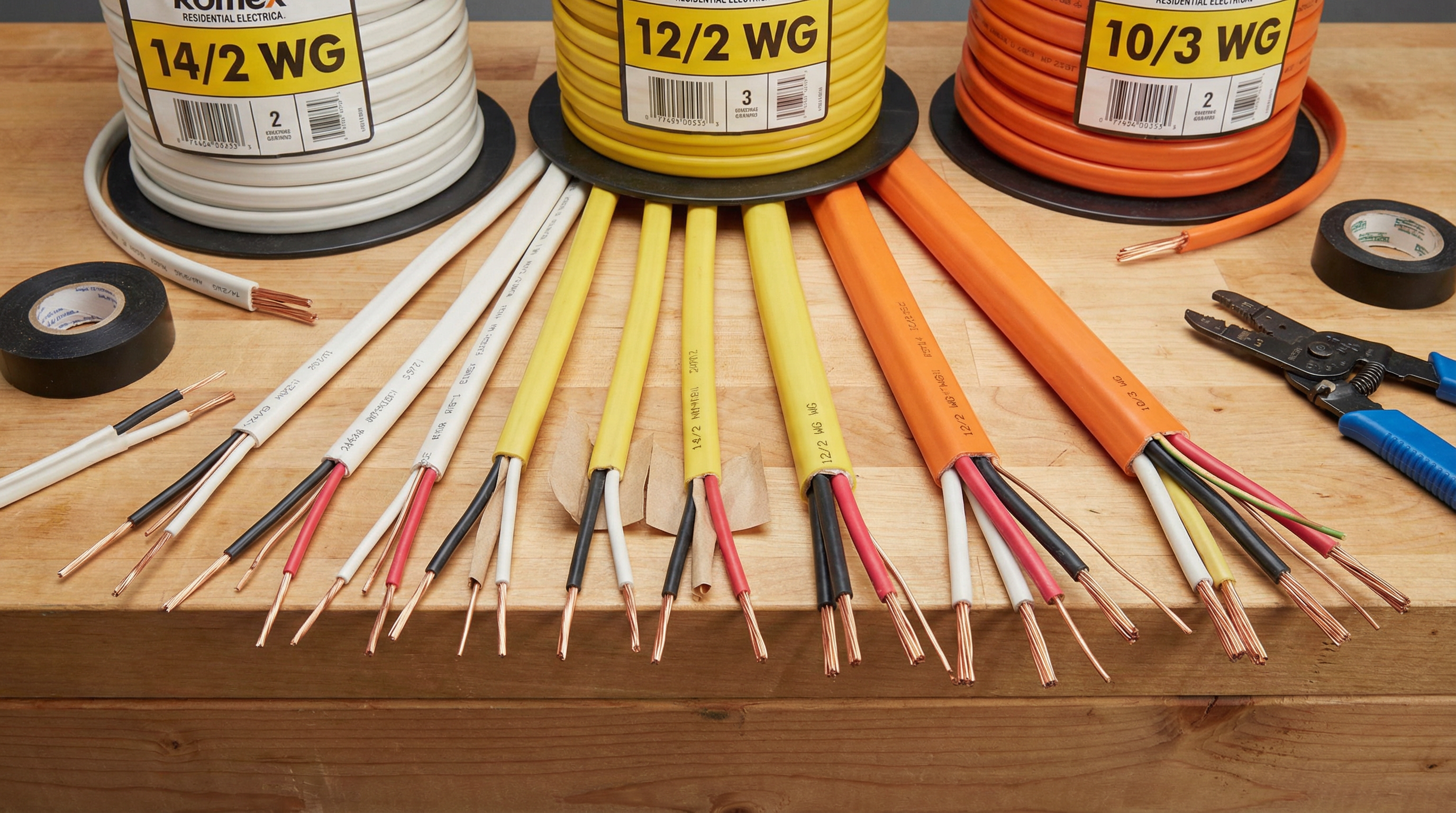
Most modern homes in Western Pennsylvania use non-metallic (NM) sheathed cable, often referred to by the brand name Romex. Here are the common types you might encounter:
- **NM-B (Non-Metallic Sheathed Cable):** This is the most common type of indoor residential wiring, used for outlets, switches, and light fixtures. It consists of two or more insulated wires and a bare ground wire, all wrapped in a flexible plastic sheathing.
- **UF-B (Underground Feeder):** This type of cable is designed for outdoor and underground applications, such as wiring for landscape lighting or a detached garage. Its sheathing is more robust and water-resistant than standard NM-B cable.
- **THHN/THWN (Thermoplastic High Heat-resistant Nylon-coated):** These are single-conductor wires typically found inside conduit, which is a protective tubing often used in unfinished areas like basements and garages, or for outdoor runs. They are common in many homes in the South Side and Lawrenceville.
What is Wire Gauge? Understanding AWG
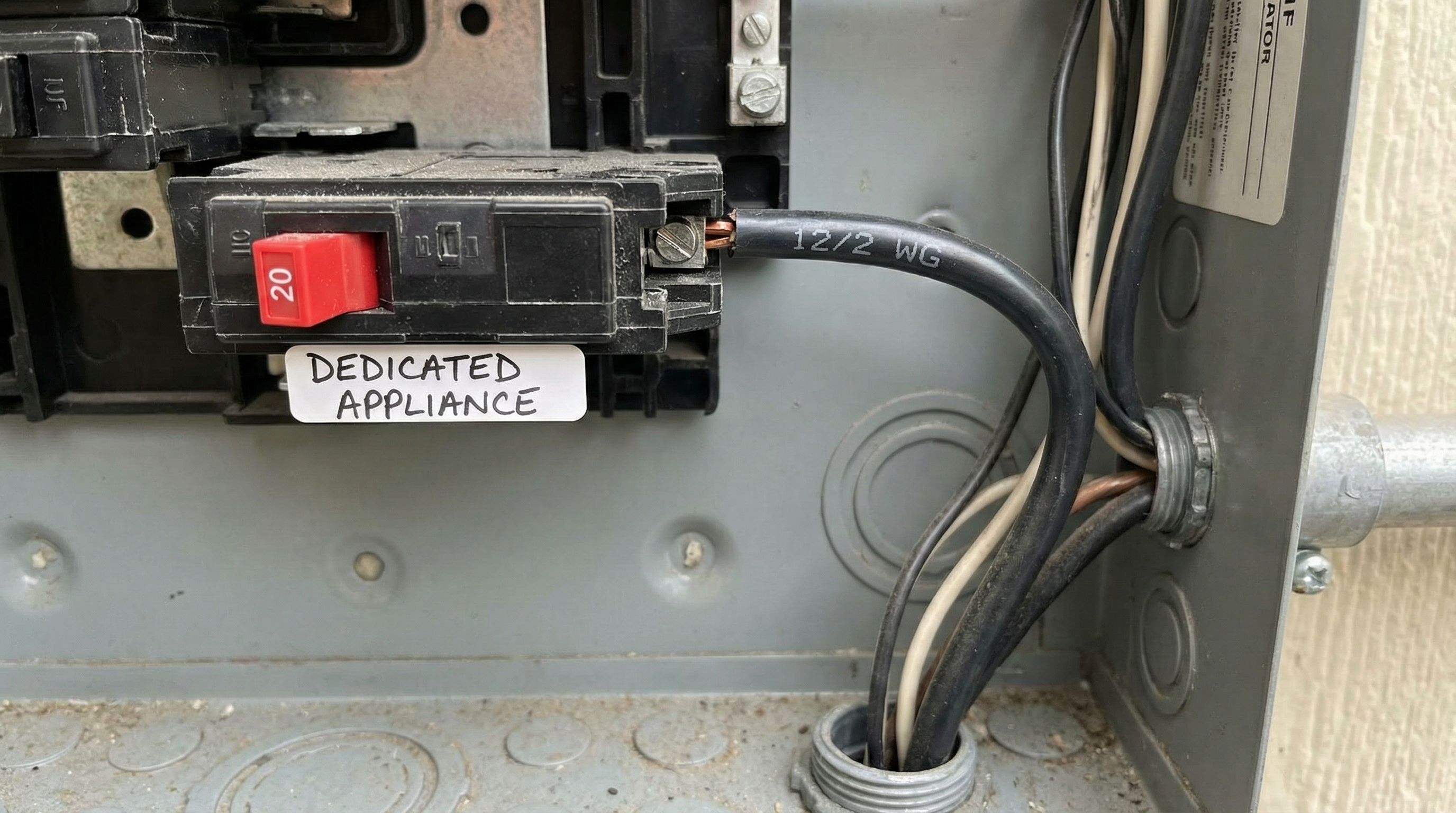
The thickness of a wire is known as its gauge, measured by the American Wire Gauge (AWG) system. It might seem counterintuitive, but the smaller the gauge number, the thicker the wire and the more electrical current (amperage) it can safely carry. For example, a 12-gauge wire is thicker and can handle more current than a 14-gauge wire. In a typical Pittsburgh home, you'll find 14-gauge wire used for lighting circuits (15-amp) and 12-gauge wire for general-purpose outlets (20-amp). Larger appliances, like electric ranges and dryers, require even thicker wires with lower gauge numbers.
Decoding the Colors: What Each Wire Color Means
The colorful insulation on wires isn't for decoration; it's a crucial safety code. While there can be exceptions, here is a basic guide to what the colors typically indicate in a residential setting:
- **Black or Red (Hot):** These wires carry the electrical current from the panel to the device.
- **White (Neutral):** This wire completes the circuit by carrying the current back to the electrical panel.
- **Bare Copper or Green (Ground):** This is a safety wire that provides a path for electricity to flow to the earth in the event of a fault, preventing electrical shock.
Circuits 101: The Backbone of Your Home's Electrical System
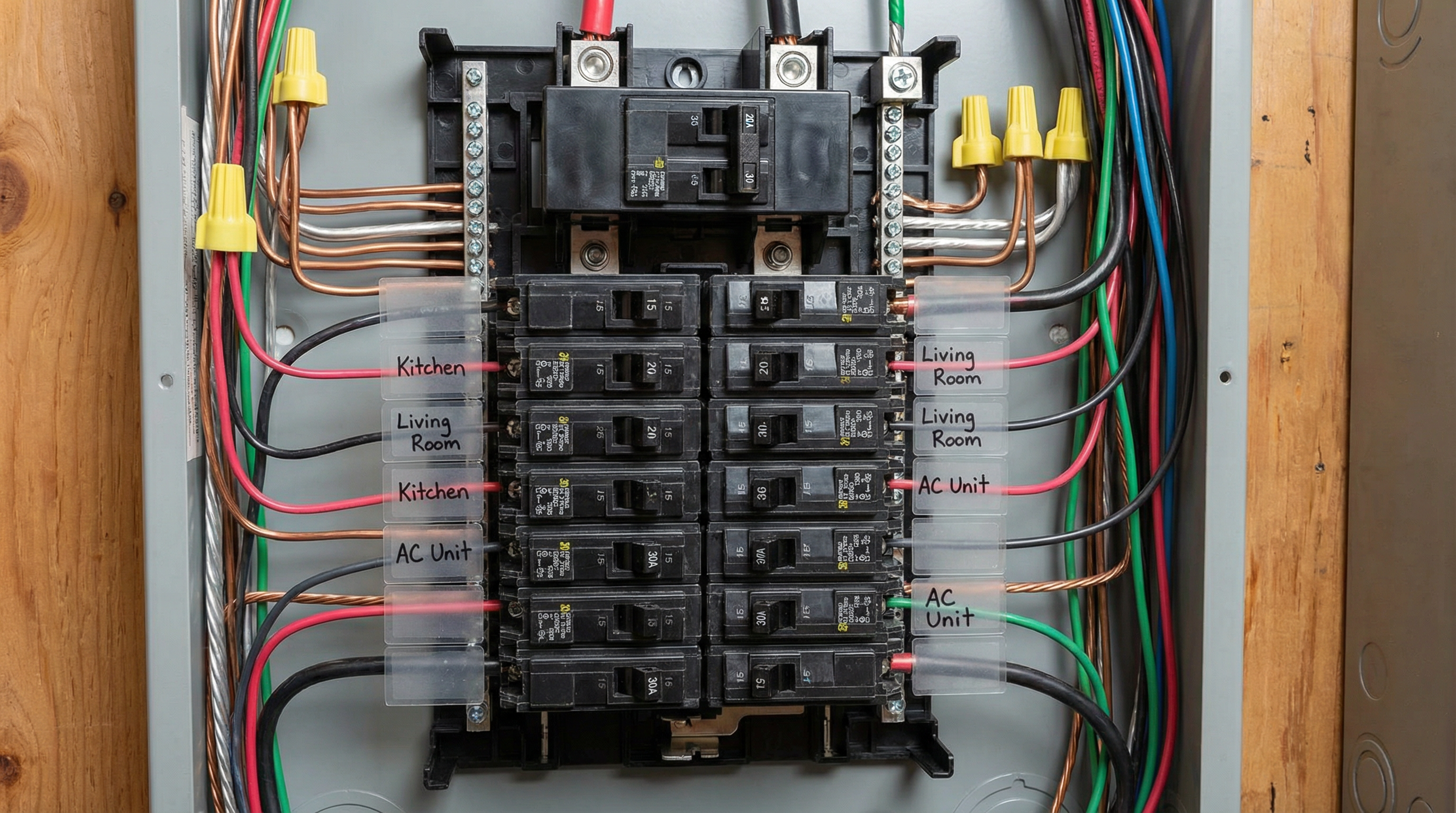
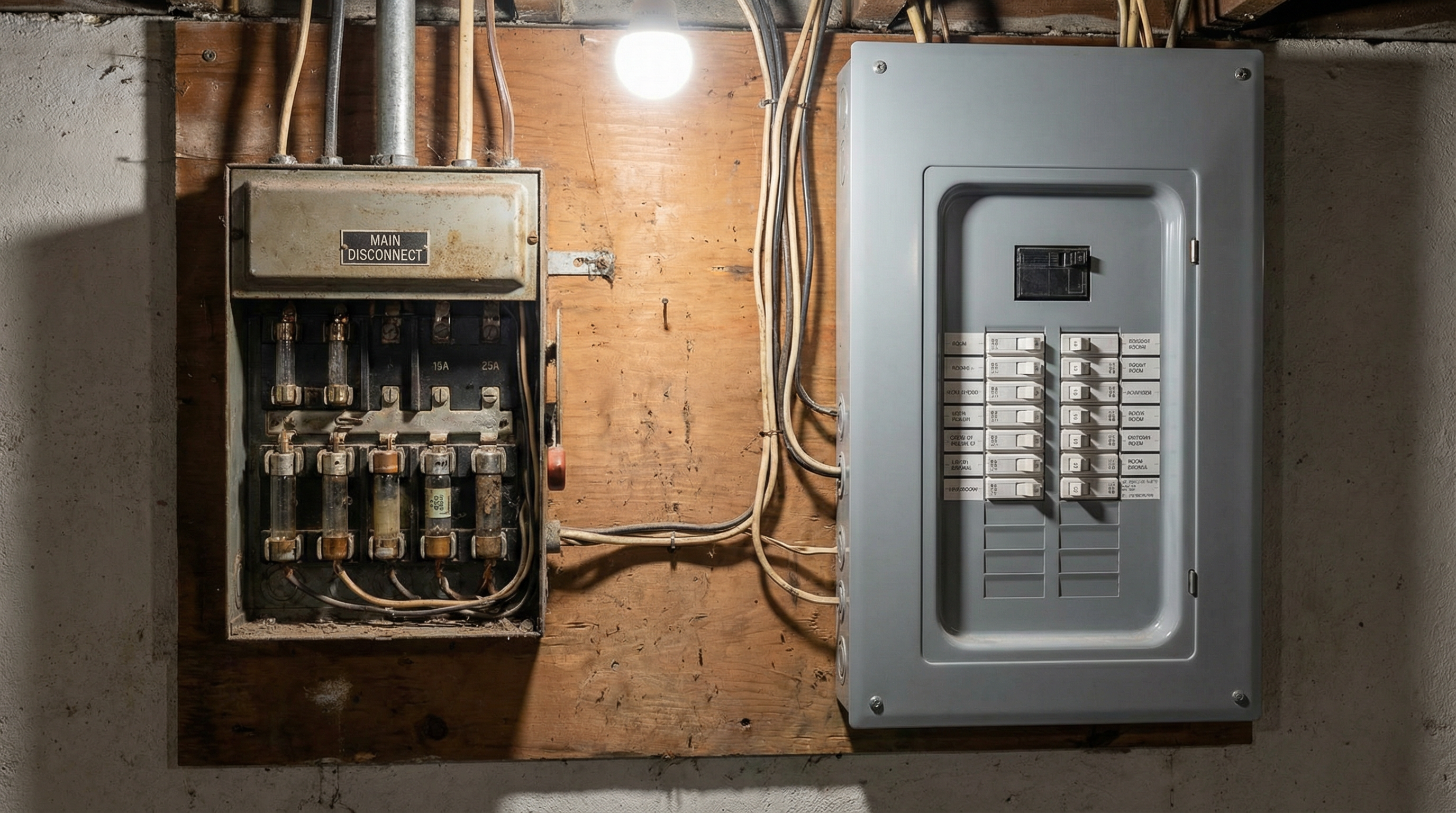
Your home's wiring is organized into circuits, each protected by a circuit breaker in your main electrical panel. When you flip a switch or plug in an appliance, you are completing a circuit, allowing electricity to flow from the panel, through the hot wire to the device, and back to the panel through the neutral wire. Your local utility, Duquesne Light, supplies the power to your home, but your electrical panel and its circuits are what distribute that power safely. If you overload a circuit by plugging in too many high-draw devices, the breaker will trip, cutting off the power to prevent the wires from overheating.
**Safety First!** Never attempt to work on your home's electrical wiring without the proper knowledge and safety precautions. Always turn off the power at the circuit breaker before inspecting or working on any electrical device. For any wiring work, it is always best to consult a qualified electrician who understands Allegheny County and Pennsylvania electrical codes.