Your home's electrical system is a complex network, but understanding the basics of how circuits work can empower you as a homeowner. Think of it as the circulatory system of your house, with the electrical panel as the heart, pumping power through wires to every room. Whether you live in a historic home in Squirrel Hill or a newer build, the fundamental principles are the same.
What is an Electrical Circuit?
At its simplest, an electrical circuit is a closed loop that allows electricity to flow from a power source, through a device that uses the power (like a light bulb or appliance), and back to the source. This continuous path is essential. If the path is broken at any point, the flow of electricity stops, and the device won't work.
Every basic circuit in your home consists of three main components:
- The Power Source: In your home, this is the electrical service from Duquesne Light, which enters through your electrical panel.
- The Load: This is any device that consumes electricity, such as a refrigerator, a television, or a lamp.
- The Conductor: These are the wires that create the path for the electricity to flow from the source, to the load, and back again.
The Role of the Circuit Breaker Panel
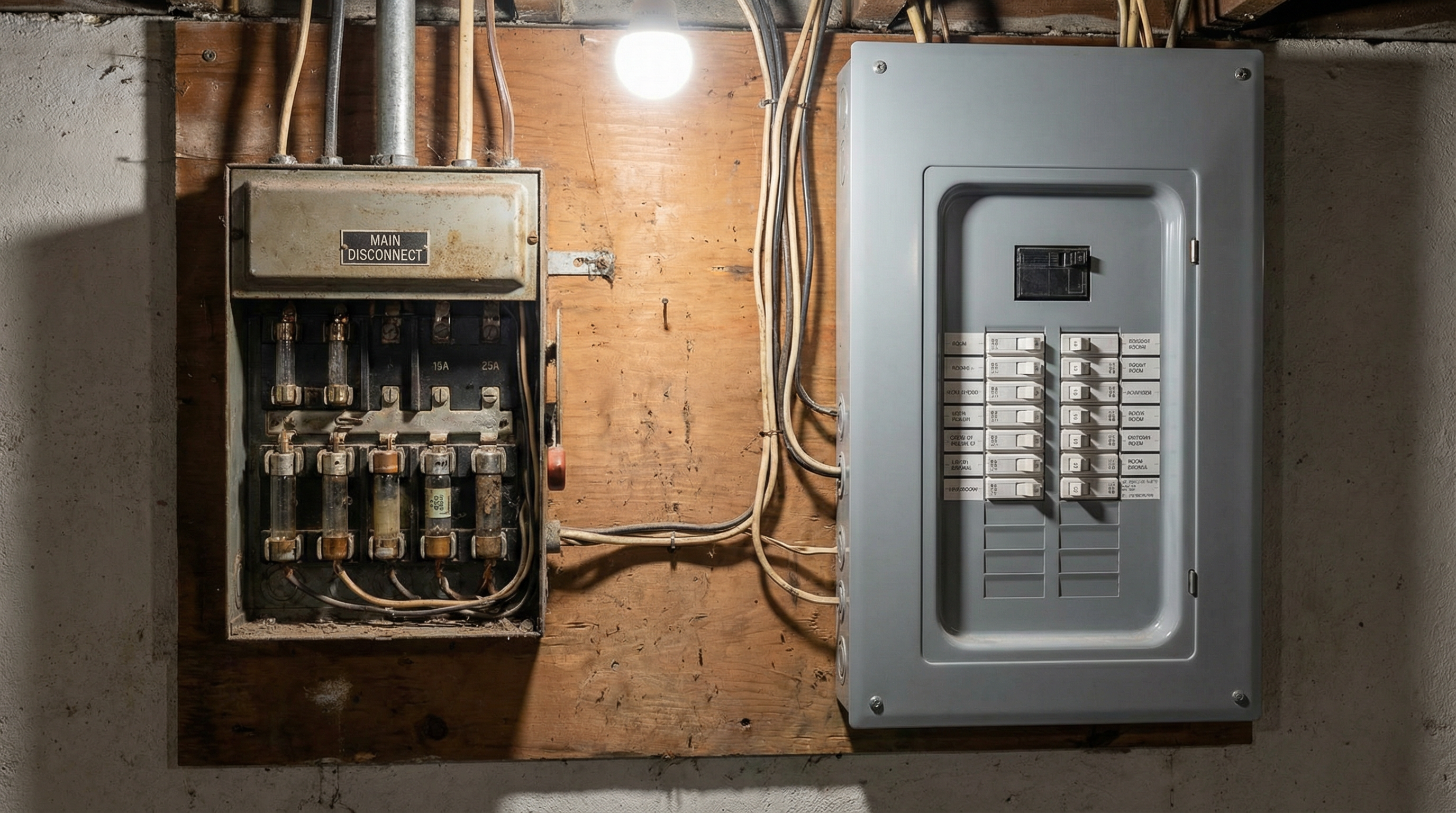
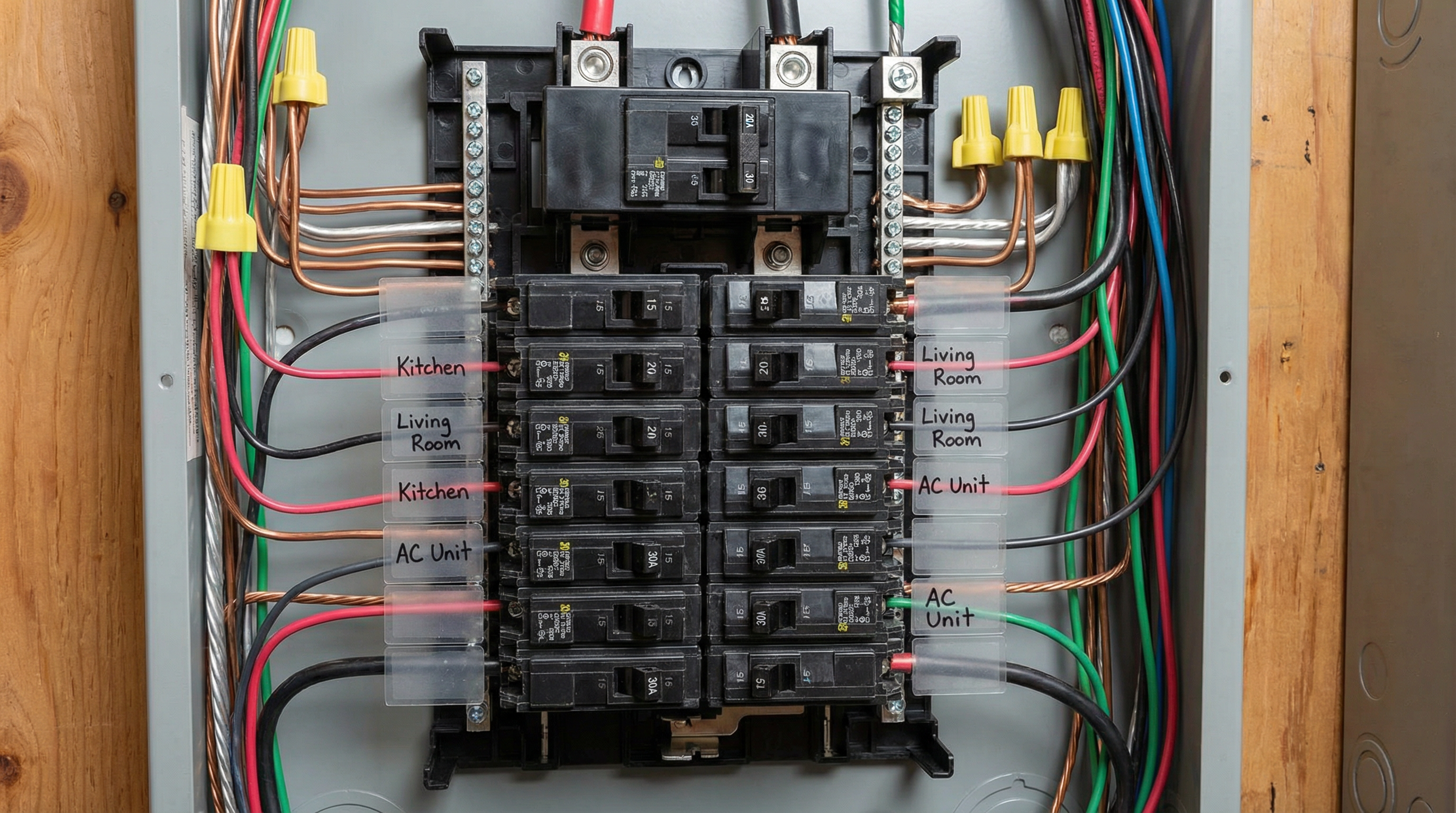
Your circuit breaker panel (or fuse box in older homes) is the central distribution point for all the circuits in your house. Each circuit is protected by a circuit breaker or a fuse. These safety devices are designed to automatically shut off the electrical flow if the current becomes too high, preventing overheating and potential fires. This is known as a tripped breaker.
Types of Circuits in Your Home
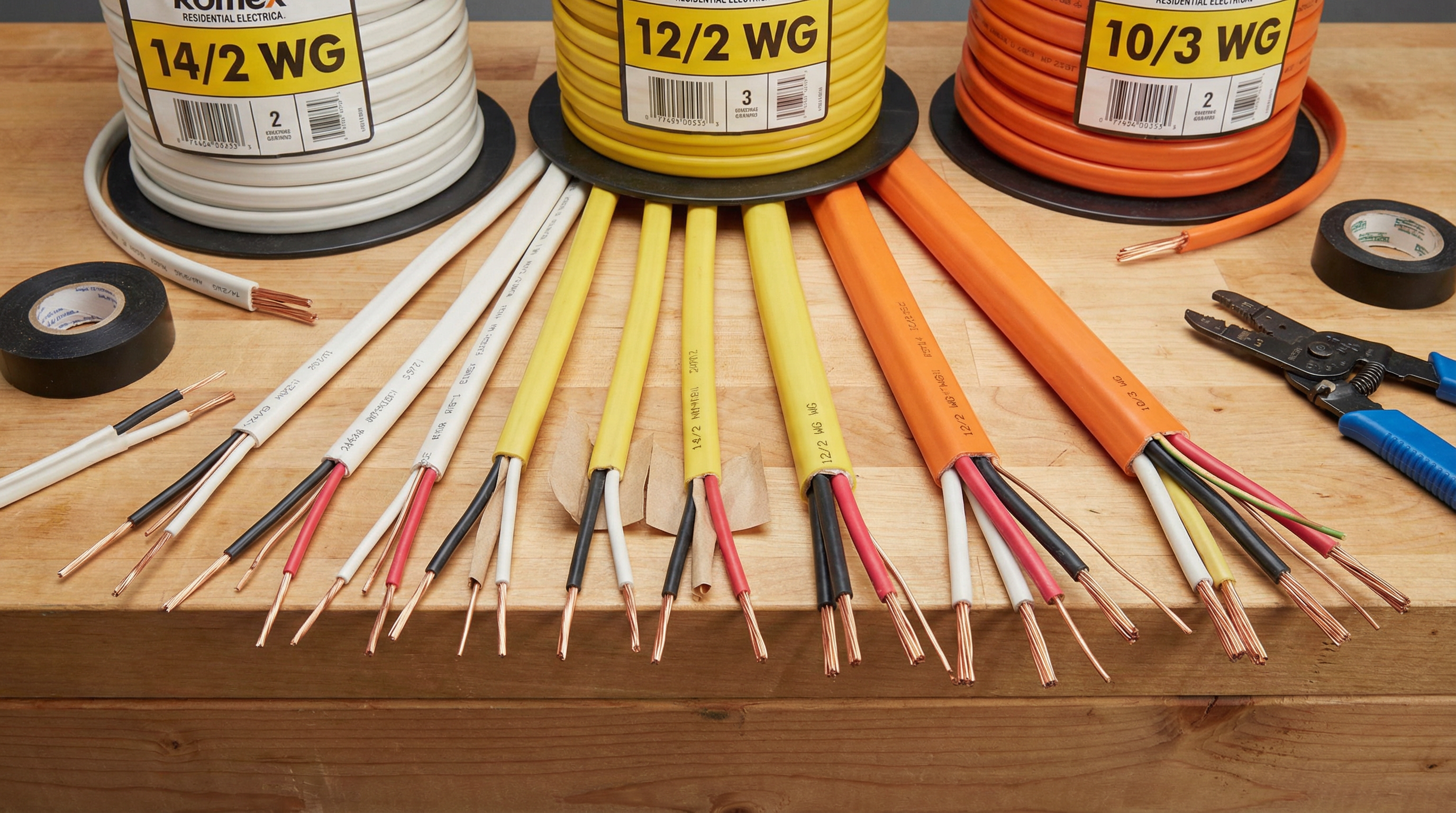
Homes in Western Pennsylvania typically have a variety of circuits designed for different purposes. They are generally categorized by their amperage (amp) rating, which indicates how much electrical current they can safely handle.
Common household circuits include:
- 15-Amp Circuits: Used for general lighting and standard outlets. These power most of your small devices and lamps.
- 20-Amp Circuits: Typically found in kitchens, laundry rooms, and bathrooms to power outlets for larger appliances like microwaves and hair dryers.
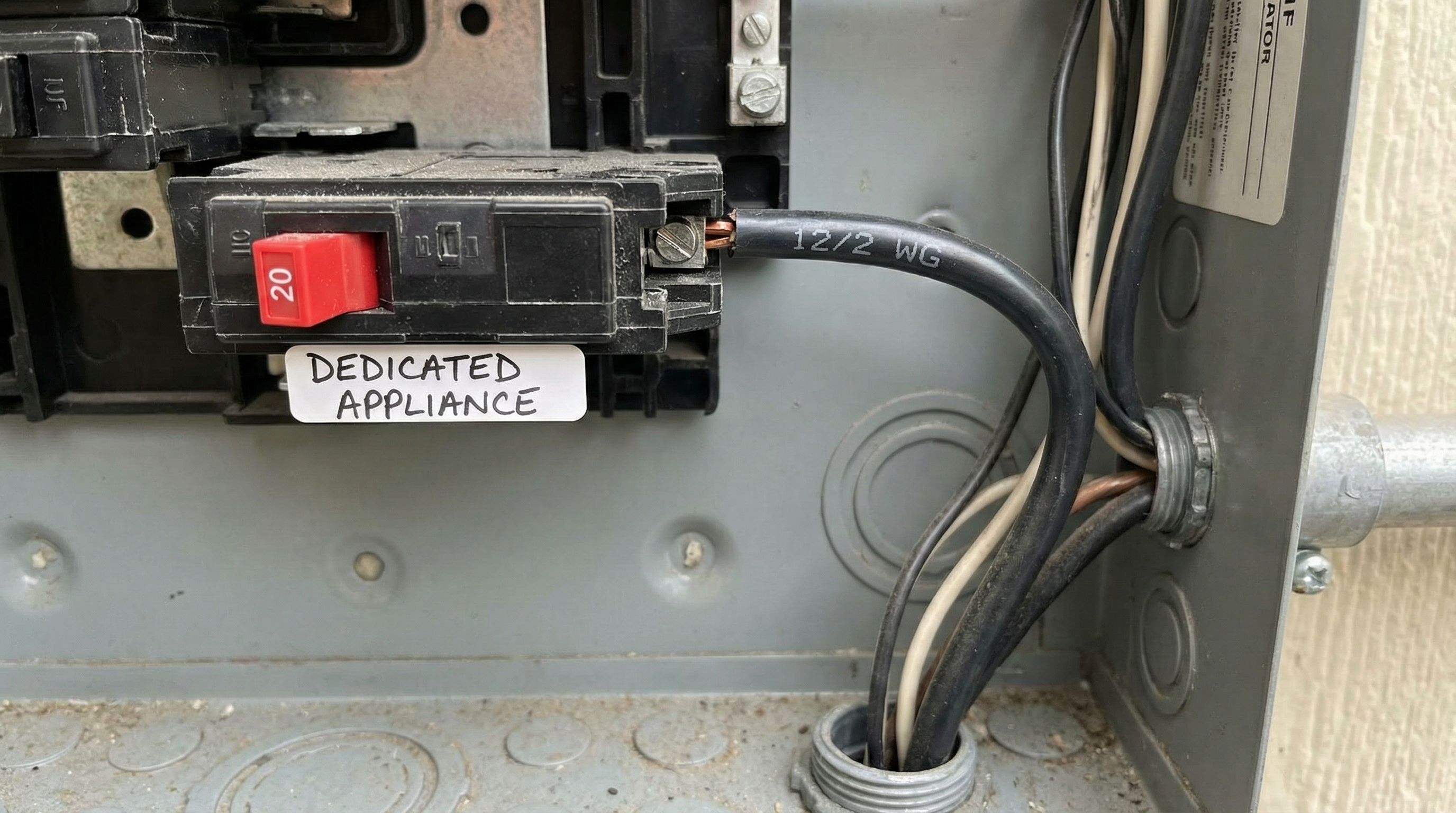
- Dedicated Circuits: For major appliances like an electric range, a central air conditioner, or an EV charger. These circuits serve only one appliance to ensure it has enough power without overloading the system.
Safety Tip: Never replace a circuit breaker with a higher amperage breaker than the circuit is rated for. The wiring in the walls is specifically sized for the breaker, and overloading it is a serious fire hazard.
Understanding Series and Parallel Circuits
Your home is wired using parallel circuits. In a parallel circuit, the electricity has multiple paths to follow. This means you can turn on one light without having to turn on every light on that circuit. If one bulb burns out in a parallel circuit, the others stay lit. This is different from a series circuit (like old holiday lights), where everything is on one path, and if one part fails, the entire circuit goes dead.