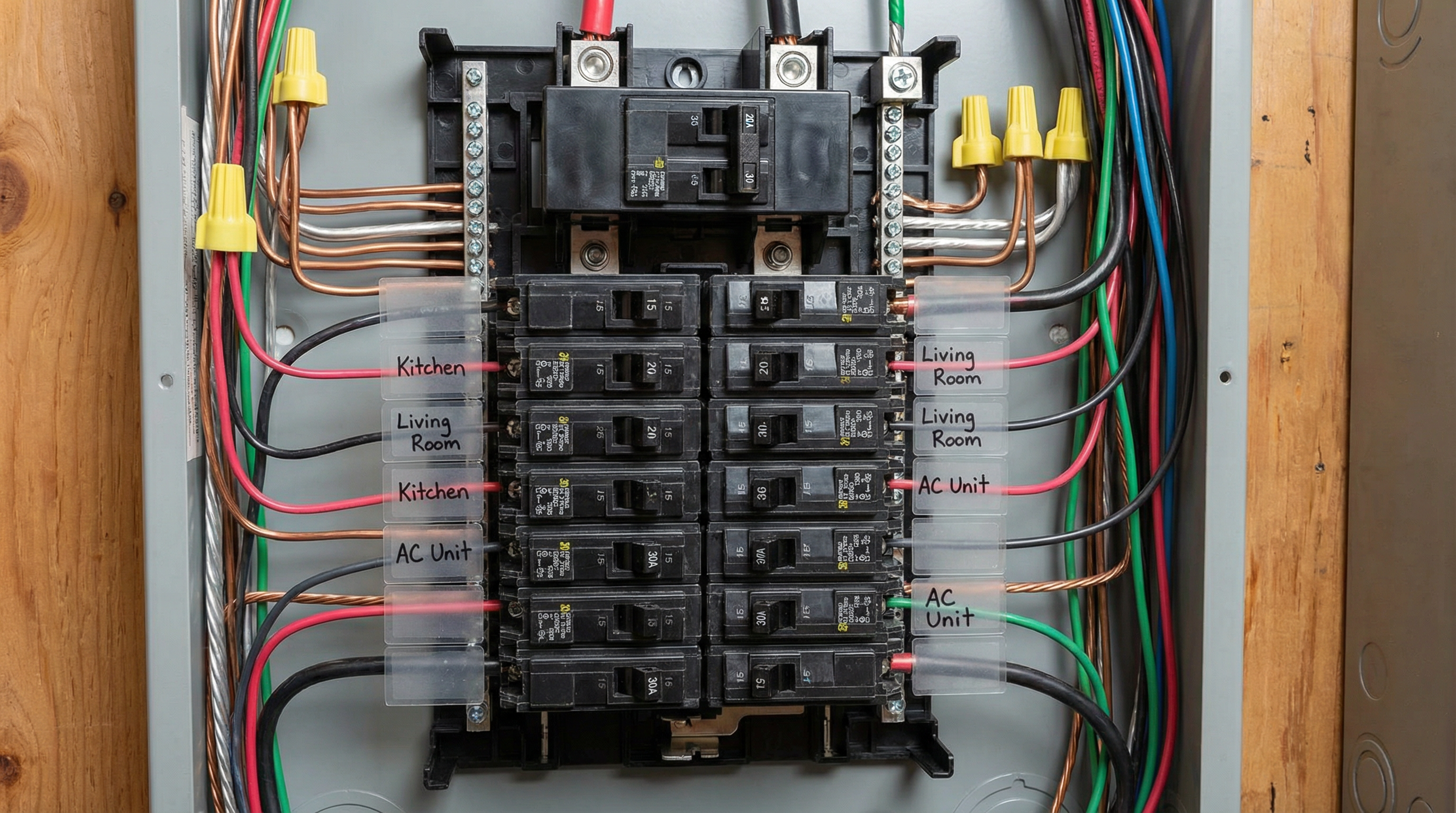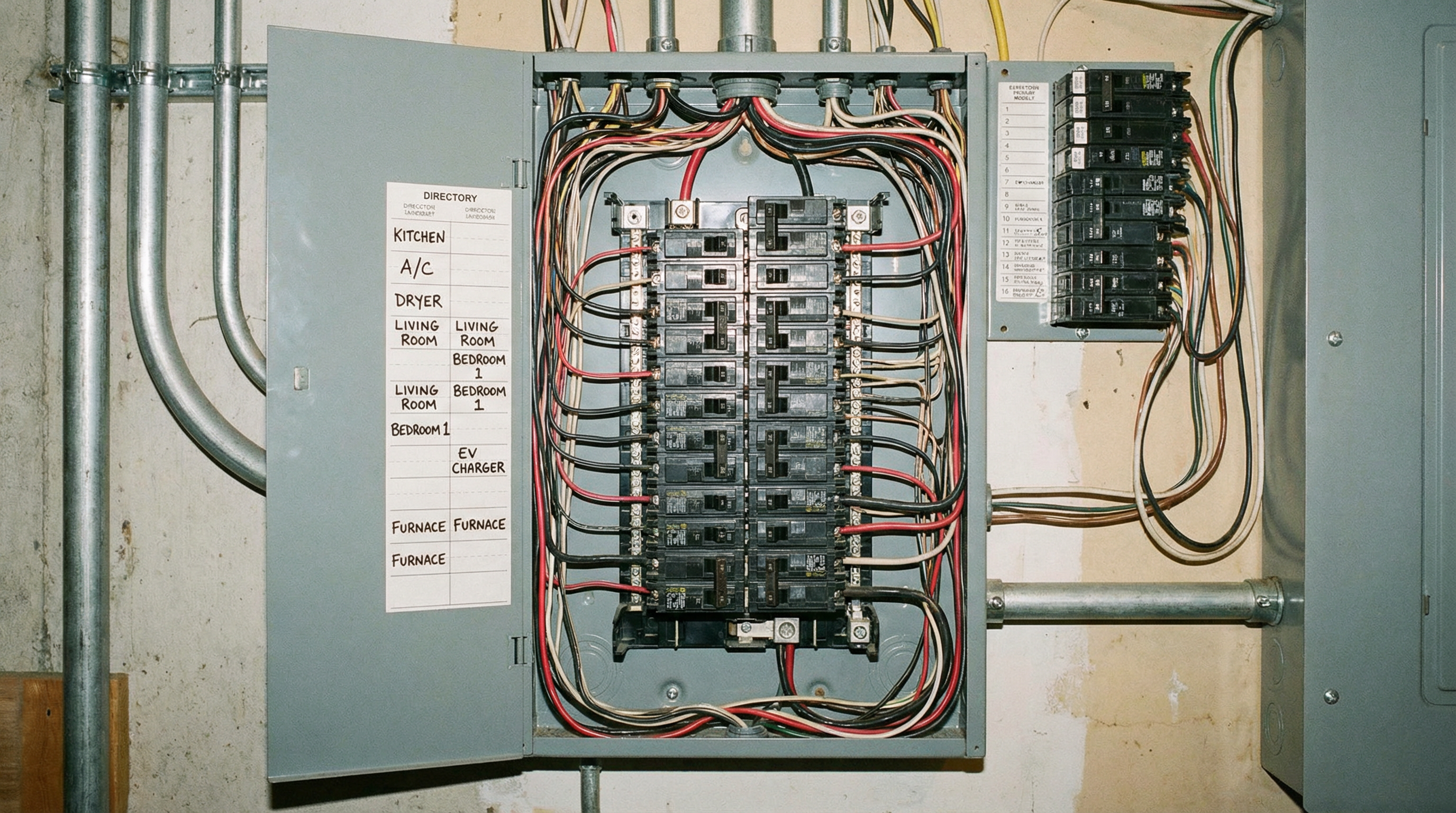
When you look at your home’s electrical panel, you see a series of switches, each controlling a different part of your house. Most of these breakers manage general-purpose circuits, which power multiple outlets and light fixtures in a room or area. However, some breakers are different. They are dedicated to a single, specific appliance. This is known as a dedicated circuit, and it’s a fundamental component of a safe and reliable electrical system in any Western Pennsylvania home.
What Exactly Is a Dedicated Circuit?
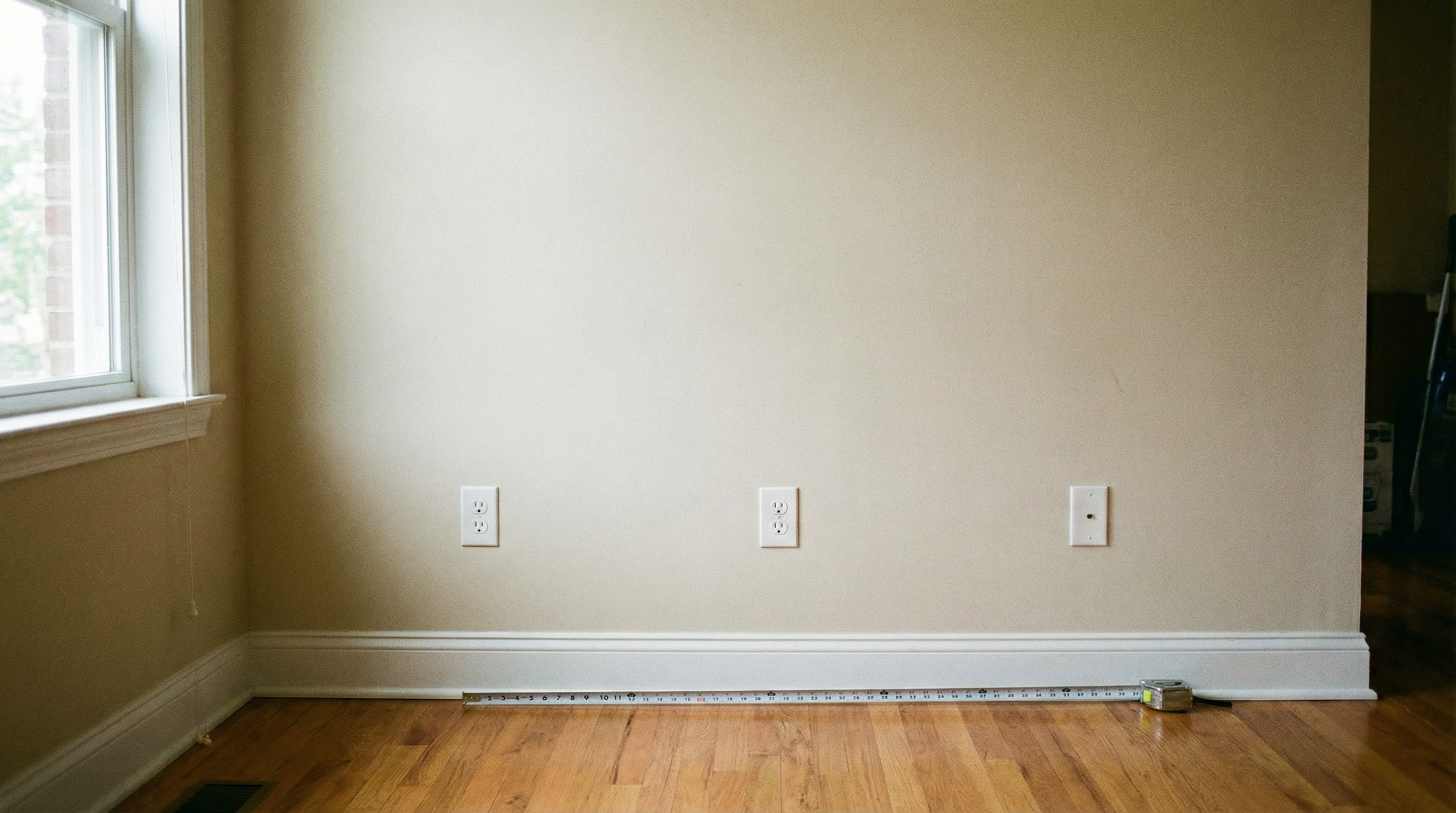
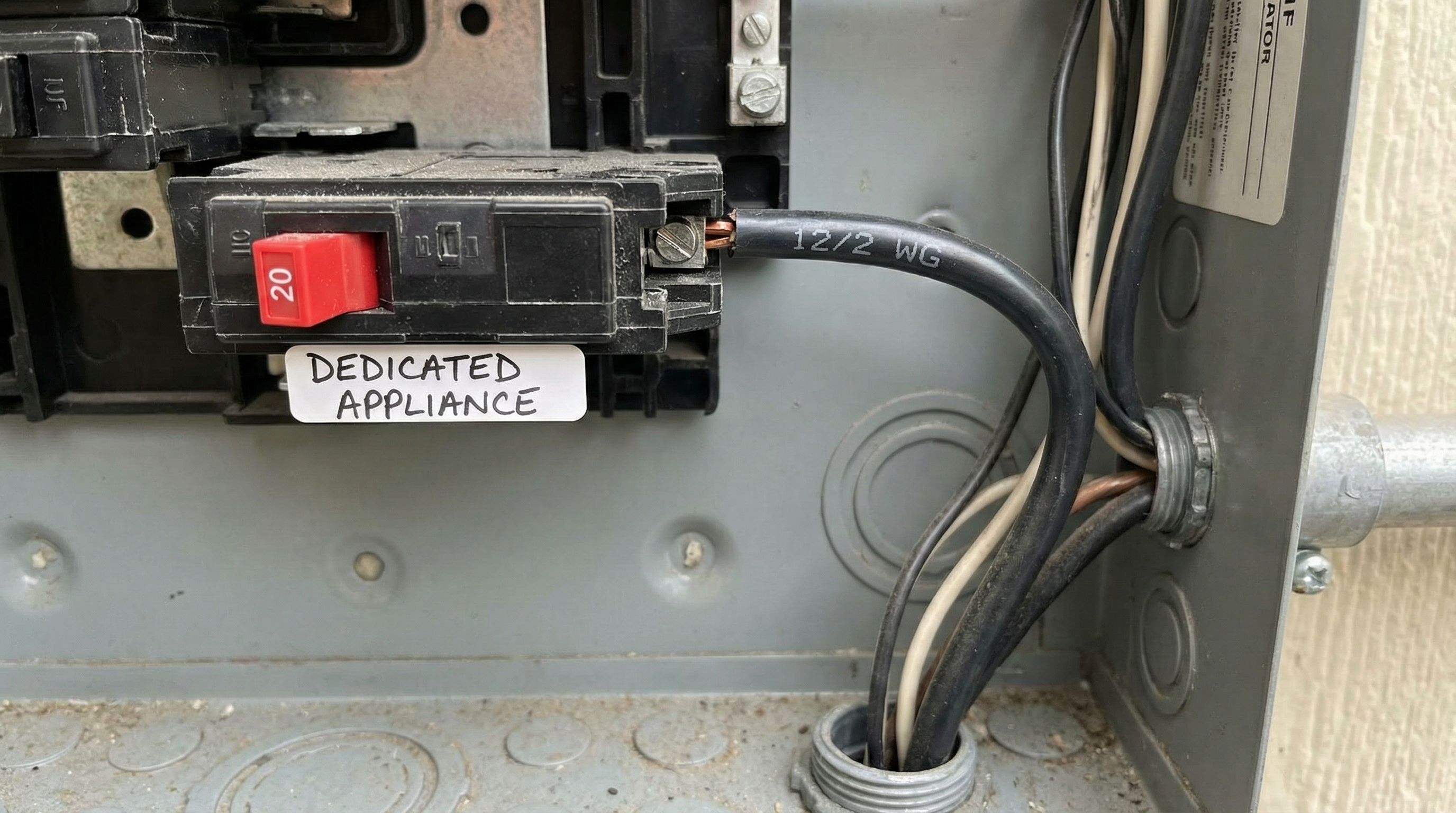
A dedicated circuit is an electrical circuit that serves only one appliance or device. It has its own circuit breaker in your electrical panel and is wired directly to a single outlet. This means the entire capacity of that circuit is reserved exclusively for the appliance plugged into it. Unlike a general-purpose circuit that might power your living room lamps, TV, and phone charger simultaneously, a dedicated circuit avoids sharing its electrical load.
Why Are Dedicated Circuits So Important?
The primary purpose of a dedicated circuit is to support high-power appliances that would otherwise overload a shared circuit. When a powerful appliance, like a microwave or a space heater, starts up, it draws a significant amount of amperage. If it shares a circuit with other devices, this power surge can cause the circuit breaker to trip, cutting power to everything on that line. In a worst-case scenario, it can create a fire hazard.
Key benefits of using dedicated circuits include:
- **Preventing Breaker Trips:** By isolating a heavy-drawing appliance, you prevent it from overwhelming the circuit and causing annoying and potentially damaging power outages.
- **Protecting Your Appliances:** A dedicated circuit ensures that a sensitive, expensive appliance receives a consistent and sufficient power supply, protecting its delicate electronics from voltage fluctuations caused by other devices.
- **Enhancing Electrical Safety:** Overloaded circuits are a leading cause of electrical fires. Dedicating circuits for major appliances is a critical safety measure that complies with the National Electrical Code (NEC).
- **Meeting Code Requirements:** For many major appliances, the NEC mandates the installation of a dedicated circuit. This is a legal requirement for safety and is often necessary to pass an electrical inspection in Allegheny County.
Which Appliances Require a Dedicated Circuit?
As a rule of thumb, any major appliance that is a permanent fixture in your home should have its own dedicated circuit. The specific requirements can vary, but here are the most common appliances that need one:
Appliances that typically require a dedicated circuit:
- Refrigerator (120V, 20-amp)
- Freezer (120V, 20-amp)
- Microwave (120V, 20-amp)
- Dishwasher (120V, 15- or 20-amp)
- Garbage Disposal (120V, 15- or 20-amp)
- Electric Range / Oven (240V, 50-amp)
- Electric Dryer (240V, 30-amp)
- Washing Machine (120V, 20-amp)
- Central Air Conditioning (240V, amp rating varies)
- Sump Pump (120V, 15- or 20-amp)
In older Pittsburgh homes, especially in neighborhoods like Squirrel Hill or Shadyside, it’s common to find that previous renovations may not have included the necessary dedicated circuits for modern appliances. If your breakers trip frequently, it’s a strong sign you may need to upgrade your wiring.
Installing a Dedicated Circuit
Installing a new dedicated circuit is not a DIY project for the average homeowner. It involves running a new cable from your main electrical panel to the desired location, installing a new outlet, and adding a new circuit breaker to the panel. This work requires a thorough understanding of electrical codes, wire gauges, and safety procedures. In Pennsylvania, this type of work often requires a permit and an inspection to ensure it’s done correctly. Always hire a qualified, licensed electrician for this task. They can assess your panel’s capacity, determine the right wire and breaker size, and ensure the installation is safe and compliant with all local codes, including those set by Duquesne Light.